
A low nightly rate is only a bargain if the property works for your arrival, sleep, and daily route. Start with the neighborhood, then compare the exact room type and full checkout total rather than a listing’s headline price.
Choose cheap guesthouses & hostels in Seoul by neighborhood, room layout and arrival rules, then compare the full stay cost.
Key takeaways
Choose the neighborhood first: a cheaper room can cost more in taxis, transfers and lost sightseeing time.
Compare dorms, private rooms and guesthouses by bed layout, bathroom type, noise and check-in rules.
Compare full checkout totals and cancellation terms for the same dates, then check the location and arrival process.
For your first night, prioritize a clear airport route and late-arrival instructions over a fashionable address.
Finding a cheap place to stay in Seoul is less about locating the lowest nightly number and more about avoiding the expensive compromises hidden behind it. A room far from a useful station, a dorm with an awkward layout, or a guesthouse that cannot accept your arrival time can make a short trip feel much harder. This guide gives you a practical way to choose a Seoul guesthouse or hostel in 2026, without pretending that one property fits every budget traveler.
Pick an area that matches the first and last parts of your itinerary, decide how much privacy you need, and compare the final payment total rather than the headline rate. A modest room near a station with clear check-in instructions is often the better value than a cheaper room that adds friction every day.
How should you choose cheap guesthouses & hostels in Seoul?
Decide what you are willing to share
A hostel dorm can be the lowest-cost option and a useful way to meet people, but it is only a bargain if you can sleep well in a shared room. Check the number of beds, privacy curtains, locker size, air-conditioning, and whether the room is mixed or single-gender. A private hostel room costs more but can be a smart middle ground for couples or friends who want their own door while still using a shared lounge, kitchen, and laundry. A guesthouse often feels quieter, but the word itself does not guarantee a private bathroom or a staffed desk. For a wider district comparison, see the where to stay in Seoul guide.
Treat the first and last night differently
For your arrival night, convenience outranks novelty. You may be tired, carrying bags, and working through a new transport system, so look for a clear airport connection, a straightforward walk from the station, and written late-arrival instructions. For the middle of a longer stay, you can choose a livelier neighborhood or a more residential pocket that fits your plans. If you fly out early, moving near Seoul Station or an airport-linked transit route for the final night can be worth more than a small price difference.
Budget for the whole trip, not only the bed
A hostel rate does not include the value of time, transit, breakfast, laundry, luggage storage, or a taxi when the subway has closed. Make a simple daily calculation: how far is the nearest useful station, how many rides will you add, and can you comfortably return after dinner? Use our Seoul transport-card guide to understand the city network, then choose a stay that reduces needless cross-city travel.
Where to stay in Seoul on a budget
Hongdae and Sinchon for social energy and late evenings
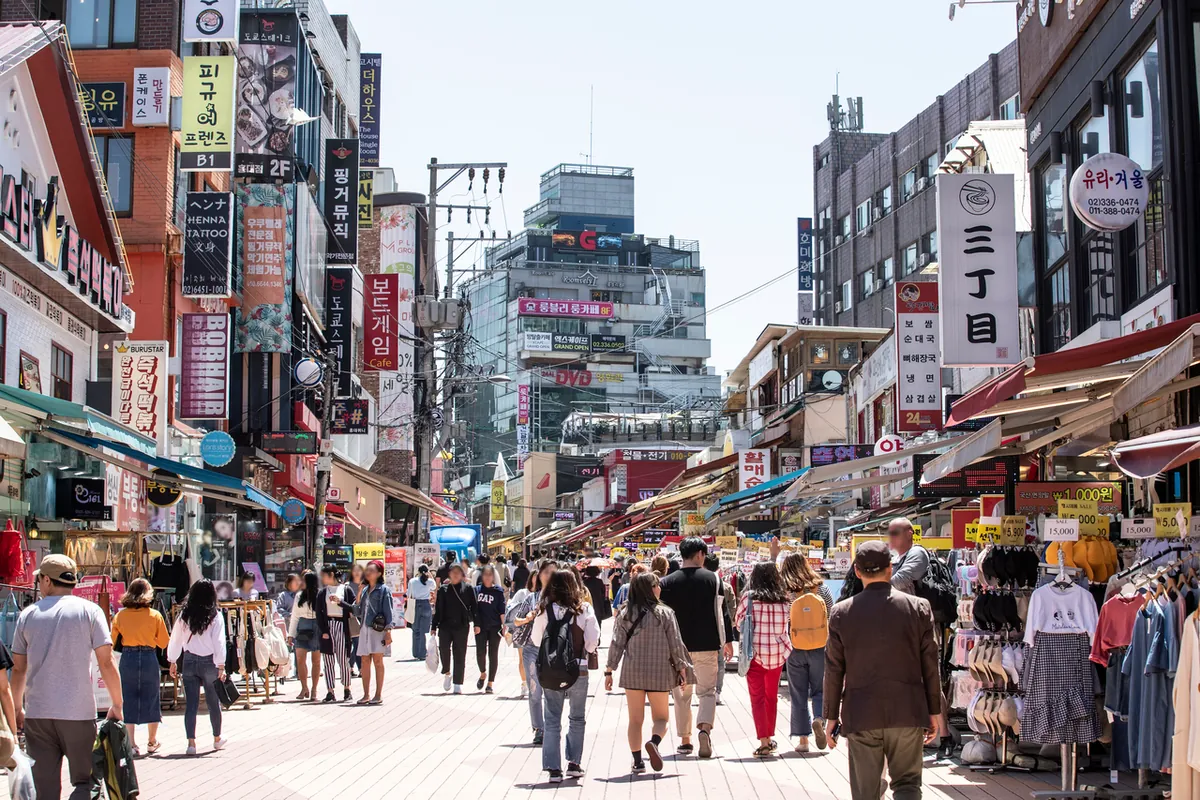
Hongdae and nearby Sinchon are natural fits for solo travelers, students, friends, and anyone who wants cafes, casual meals, music, and a late-night atmosphere close by. The tradeoff is noise, especially around busy streets and weekends. When comparing a dorm or guesthouse here, read recent guest comments for practical detail: street noise, stairs, thin walls, room temperature, and how long the walk feels with luggage. Stay a few blocks from the busiest lanes if you want the neighborhood without sleeping directly above it.
Jongno and Euljiro for central sights and traditional character
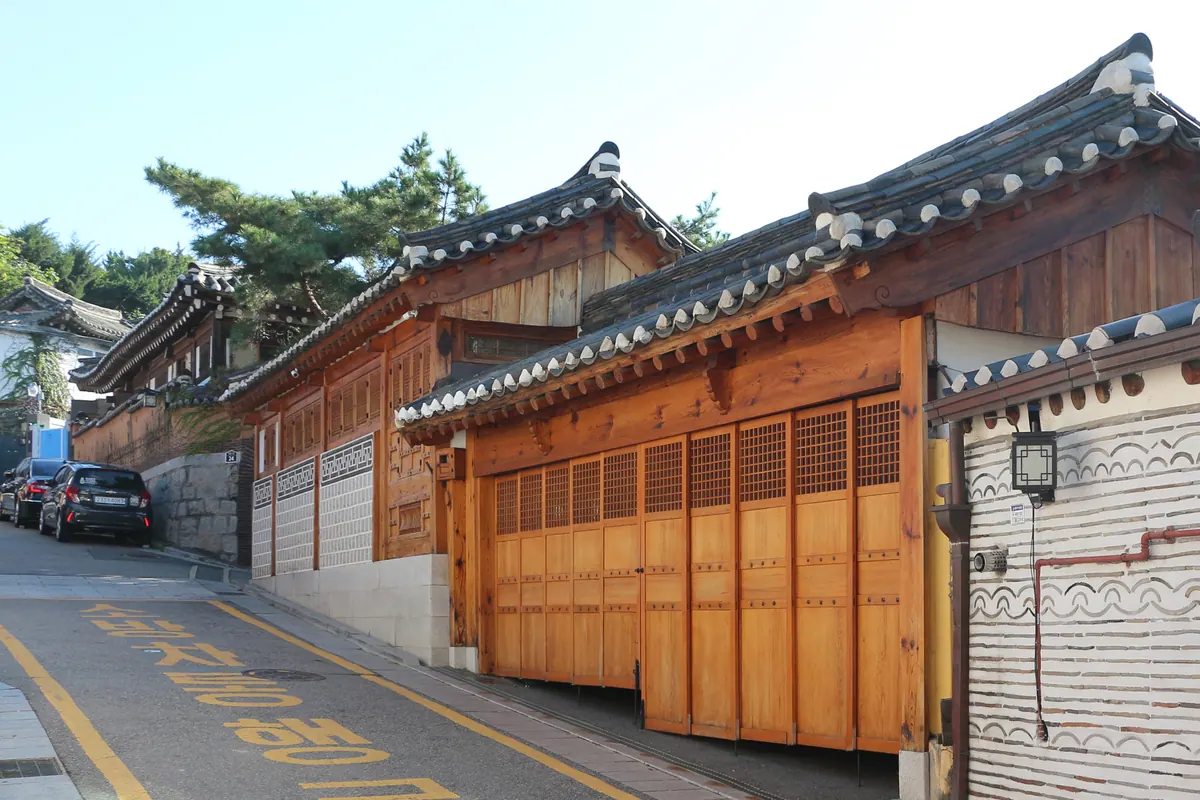
Jongno and Euljiro work well when your days revolve around palaces, markets, museums, and old Seoul neighborhoods. They can give you a more central base without the full hotel pricing of the most tourist-heavy streets, although room sizes and building styles vary widely. This is a good area for travelers who want an early start at Gyeongbokgung, Insadong, or Bukchon and do not need nightlife at their doorstep. Check the exact station exit and walking route rather than trusting a general neighborhood label.
Myeongdong and Seoul Station for simple first-time logistics
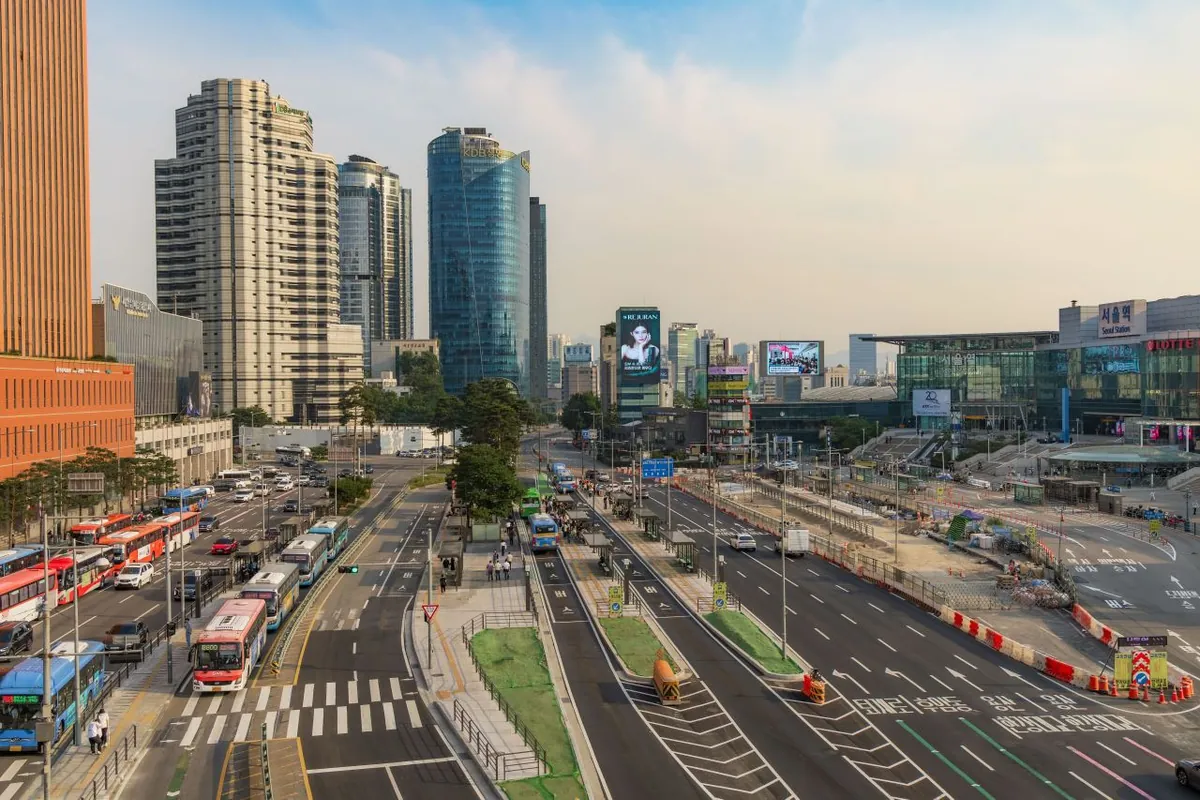
Myeongdong and Seoul Station are practical for a first visit, especially if airport transfers, shopping, and central transport matter more than a local-neighborhood feel. They may not always be the cheapest areas, but a compact guesthouse or basic hotel can still be good value when it eliminates complicated luggage transfers. Look carefully at the distinction between a Myeongdong address and a steep walk from the station. Around Seoul Station, check which side of the tracks you are on and whether the route feels manageable at the time you expect to arrive.
Itaewon and Haebangchon for international food and a neighborhood base
Itaewon and Haebangchon suit travelers who value international dining, bars, and a more mixed residential feel. They can be appealing for longer stays, but hills and uneven walks are part of the tradeoff. A room that looks near a station on a map may still involve a steep climb with a suitcase. Choose this area when the atmosphere is a real priority, not simply because it appears central. It is especially worth checking nighttime noise and the availability of an elevator if mobility or luggage is a concern.
Guesthouse, hostel, or small hotel: what each option actually gives you
Dorm beds work when flexibility matters more than privacy
Dorm beds are usually strongest for short solo stays, social travel, and travelers who will spend most daylight hours out exploring. Look for individual reading lights, outlets by the bed, lockers large enough for your bag, and a clear policy on visitors and quiet hours. Do not assume a higher bed count means a better social atmosphere; it can simply mean more interruptions. If sleep is important because you have an early day trip, a smaller dorm or private room may provide better value than the lowest available bunk.
Private rooms need a room-by-room check
A private room can mean anything from a small room with a shared bathroom to an en-suite studio with a mini-fridge. Read the room description rather than the property description, because a single building may offer several very different categories. Check bed type, window, heating or cooling, bathroom access, towels, and whether the price is for the room or per person. Small rooms are common in central Seoul; that can be completely fine for a short stay if the listing is clear and you will not be unpacking large luggage.
Shared bathrooms and kitchens can be a benefit or a burden
A clean shared bathroom can save money without making a stay uncomfortable, especially when the property has enough facilities for its room count. Look for comments about wait times and cleanliness rather than assuming shared means bad. A kitchen can help if you want simple breakfasts or need hot water, but do not pay extra for a feature you will not use. If you have dietary needs, an early departure, or a long stay, a fridge and basic kitchen may matter more than a decorative common room.
What makes a cheap Seoul stay genuinely good value
Compare the full checkout total
Search results can show a nightly figure before taxes, service charges, cleaning fees, currency conversion, or occupancy changes. Put the same dates, guests, and room type into each option and compare the final total. Then compare what is included: breakfast, towels, luggage storage, laundry, or airport-transfer convenience may justify a small difference. Rates change with dates and demand, so this is a method, not a fixed price promise. The aim is to avoid discovering a meaningful extra cost after you have already committed.
Give location a real cost
A guesthouse near a station you use daily often saves more than a cheaper room on the edge of the city. Estimate the first morning: how long will it take to get to your palace, market, meeting point, or KTX connection? Repeat that thought for your last night after dinner. If the answer involves several transfers or an uncertain walk, it may not fit your trip. Search maps with your actual destination list, not just the word Seoul, because the city is large and district labels can be misleading.
Use reviews for evidence, not a score alone
A rating can hide the details that decide whether you sleep well. Read a mixture of recent reviews and look for recurring operational facts: noise, elevator access, shower pressure, staff responsiveness, heating, air-conditioning, luggage storage, and the walk from the station. Ignore one-off complaints that do not match the property, but do not dismiss a repeated issue. Guests with a similar travel style to yours are the most useful: solo travelers, families, late arrivals, or people carrying large bags will notice different things.
How to read a listing before you book
Check the exact location and entrance
Seoul addresses can be deceptively close to a subway line while still being on a hill, inside an alley, or behind a building with a different street-facing name. Use the address and photos to identify the entrance, then trace the walking route from the nearest station exit. This does not need to be perfect, but it protects you from a difficult arrival in rain or after midnight. If the property gives detailed directions and a contact method, that is often a reassuring sign for an independent traveler.
Read the check-in and payment rules slowly
Small guesthouses may have limited reception hours, self-check-in steps, passport requests, a deposit policy, or a rule about informing them of late arrival. None of these are automatically a problem, but they must work with your flight and phone access. Check whether payment is taken at booking or at the property, what currency is used, and how changes are handled. Save the confirmation, address, and host instructions before you leave Wi-Fi. An eSIM can make arrival coordination easier; see the Korea eSIM guide before flying.
Look for comfort and access needs
If you have limited mobility, a heavy suitcase, a stroller, or simply dislike stairs, verify the elevator and entrance situation rather than relying on an accessibility icon. If you are a light sleeper, look for room placement away from bars, shared lounges, and main roads. If you arrive in winter or mid-summer, check recent comments about temperature control. These small checks are more useful than a broad label such as boutique, cozy, or central.
A booking framework for budget travelers
Make a shortlist of three rooms, not three properties
The room category determines what you receive, so compare specific rooms on the same nights. For each one, write down total price, station walk, bathroom type, cancellation deadline, arrival instructions, and one likely downside. This turns a long list of tempting thumbnails into a decision you can explain. When you use the affiliated accommodation search links attached to this article, search the exact dates first, then compare only rooms that meet your non-negotiables.
Use flexible terms when your itinerary is still moving
A refundable rate can be worthwhile when your flight, city sequence, or travel companions are not settled. Pay attention to the local cancellation deadline and whether the property charges immediately. If your plan is firm, a lower non-refundable rate may make sense, but only after you have verified the location, room details, and arrival rules. Do not book a non-refundable room simply because the discount looks large; the value disappears if you need to change one night.
Keep one backup option in mind
Seoul has many accommodation choices, but peak weekends, holidays, and events can reduce the easy options. Keep one backup neighborhood and one backup room type in mind before you search. A private room near a less fashionable station can be better than an unsuitable dorm in your first-choice district. The goal is not to win a booking race; it is to arrive somewhere you can find, enter, and rest.
Arrival, safety, and everyday comfort
Plan your airport-to-door route before departure
Before you fly, save the property address, station exit, contact details, and a simple transit plan. If you land late, decide whether the airport rail, an airport bus, or a taxi is realistic at your arrival time. Ask the property about late entry before booking if the listing is unclear. A first-night accommodation choice should make your first hour in Seoul calm, not turn it into a navigation test with no battery and a suitcase.
Use common-sense shared-space habits
Use the locker provided, keep essentials with you, label food in shared kitchens, and follow quiet hours in dorms or guesthouses. Seoul is widely navigable for visitors, but your accommodation is still a shared environment with its own routines. A friendly message to staff about a late arrival, allergies, or luggage storage can prevent misunderstandings. If something looks materially different from the booking description, document it and contact the booking provider through the official channel promptly.
For a hostel or guesthouse, the most reliable choice is the one whose exact room, arrival rules, and location work for your trip. Confirm the current details before you pay.
সাধারণ জিজ্ঞাসা
What is the best neighborhood for a budget stay in Seoul?
Hongdae suits social and late-night travelers, Jongno is useful for central historic sights, and Myeongdong or Seoul Station can simplify first-time airport logistics. The best area depends on your itinerary and arrival time.
Are hostels in Seoul safe for solo travelers?
Many solo travelers use Seoul hostels successfully, but choose a property with recent operational reviews, individual lockers, clear reception information, and a room layout you are comfortable sharing. Use normal shared-space precautions.
Do cheap Seoul guesthouses have private bathrooms?
Some do and some do not. Always read the exact room category, because one guesthouse may offer both shared-bathroom and en-suite rooms at very different prices.
Should I stay near Seoul Station for an early flight?
It can be a practical option when you want a simple airport transfer and are carrying luggage. Check the exact station-side location and your flight-time transport plan before booking.
সর্বশেষ যাচাই: আগস্ট ২০২৬ · TipsKorea সম্পাদকীয় দল


