
Seoul is easy to navigate alone once the basic systems—transit, meals, late returns and emergency contacts—are settled. This guide focuses on reducing friction without turning solo travel into a list of warnings.
Solo travel Seoul works best when the small systems are decided before the big attractions.
Key takeaways
Choose a base with a direct line and a well-lit, short final walk.
Use easy solo meal formats before attempting busy shared-grill restaurants.
Keep a live route home, a charged phone and your accommodation details available offline.
Add one social experience only when it improves the trip, not because being alone needs fixing.
Seoul rewards independent travelers with dense transit, long opening days, abundant convenience stores and neighborhoods that can occupy an afternoon without a reservation. The main friction points are less dramatic: a restaurant designed for two, a final train you did not check, a long station exit, or a hotel entrance hidden on a quiet side street.
This guide treats safety as routine planning rather than a promise that any city is risk-free. Conditions depend on place, time and behavior. Keep ordinary urban awareness, confirm current official guidance and trust yourself when a situation feels wrong. The basics in first time in Seoul cover connectivity, money and arrival decisions that matter even more when no companion is carrying a backup.
Is Seoul good for solo travel?
For many travelers, yes. Public transit reaches major districts, solo dining formats are common, and a café, museum, palace, market or walking path does not require a group. Visit Seoul's official solo guide highlights eating alone and places whose atmosphere changes by time of day. That flexibility suits travelers who want to adjust plans without negotiation.
What solo travel does not remove
You still need to make decisions about late transport, alcohol, personal belongings and unfamiliar invitations. A busy district can feel comfortable while the final two blocks to a guesthouse feel very different. Check the door-to-door route before booking, including the station exit, slope and nighttime street environment.
Do not broadcast a room number or exact solo schedule to strangers. Share the hotel name and a rough daily plan with someone you trust, keep identity documents secure, and carry only the payment methods needed for the day. Use official tourist information centers when you need in-person help with directions or bookings.
Where should a solo traveler stay in Seoul?
Pick a neighborhood by evening pattern. Jongno and Euljiro work well for palaces, museums and central walks. Myeongdong provides busy streets, shopping and abundant services. Hongdae offers airport rail access, hostels and late activity. Gangnam suits travelers whose appointments, shopping or nightlife sit south of the river.
Within any neighborhood, the exact property matters. Look for a staffed or clearly managed entrance, recent access information, a route that does not require an isolated shortcut, and a station connection that remains useful after your evening plans. A famous district cannot compensate for a difficult final walk.
Hostels and guesthouses offer natural conversation, but shared rooms are not the only social choice. A private room in a guesthouse can combine quiet with a communal lounge. Compare lockers, late check-in, bathroom layout and noise policies in cheap guesthouses and hostels in Seoul. Hotels suit travelers who value predictable privacy and staff support.
How can you eat alone in Seoul without stress?
Start with restaurants where individual portions are the normal unit: noodle shops, soup restaurants, rice bowls, dumplings, kimbap, department-store food halls and many market stalls. Counter seating makes the process obvious. At a kiosk, switch language when available, confirm the item and keep the receipt or order number visible.
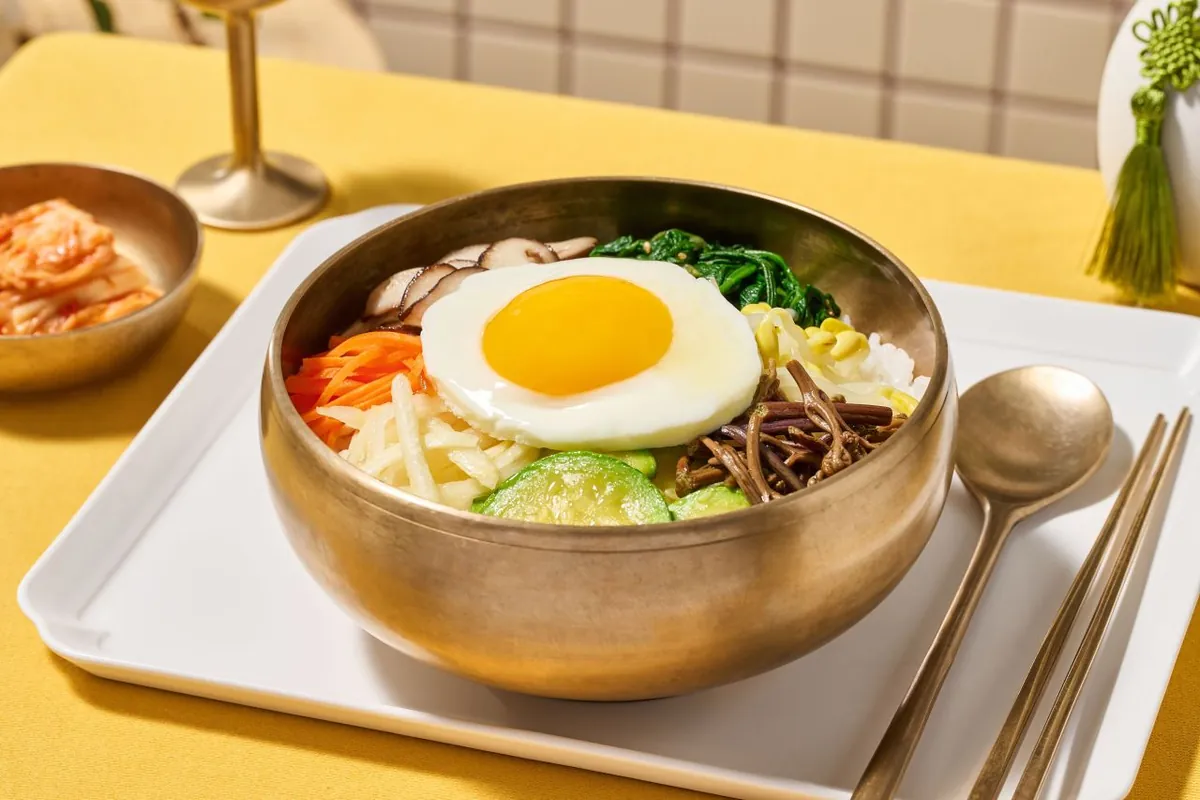
Barbecue and some shared-set menus can be harder because a restaurant may require a minimum number of portions, not necessarily a minimum number of people. A solo diner can sometimes order the required quantity, but policies vary. Ask before sitting, use a translation screen politely and accept a refusal without taking it personally. Lunch or off-peak hours are often simpler than a crowded dinner rush.
Markets let you sample small portions, but popular aisles are noisy and seating is limited. Keep bags in front, decide where you will eat before buying several hot dishes, and ask about raw ingredients or allergens. Solo travel is a chance to leave a meal that is not working and choose something easier.
A food tour or cooking class can solve two needs at once: structured conversation and help interpreting dishes. Review language, group size and cancellation terms rather than booking the first ranked product. The Seoul food tours and cooking classes guide explains how to match a format to your comfort level.
What is a low-friction solo route?
Build each day around a walkable cluster. A palace morning can continue through Insadong and Cheonggyecheon. A western day can combine Yeonnam-dong, Hongdae and Mangwon selectively. An east-side day can pair Seoul Forest with Seongsu. You remain free to change speed without repeatedly entering transit.
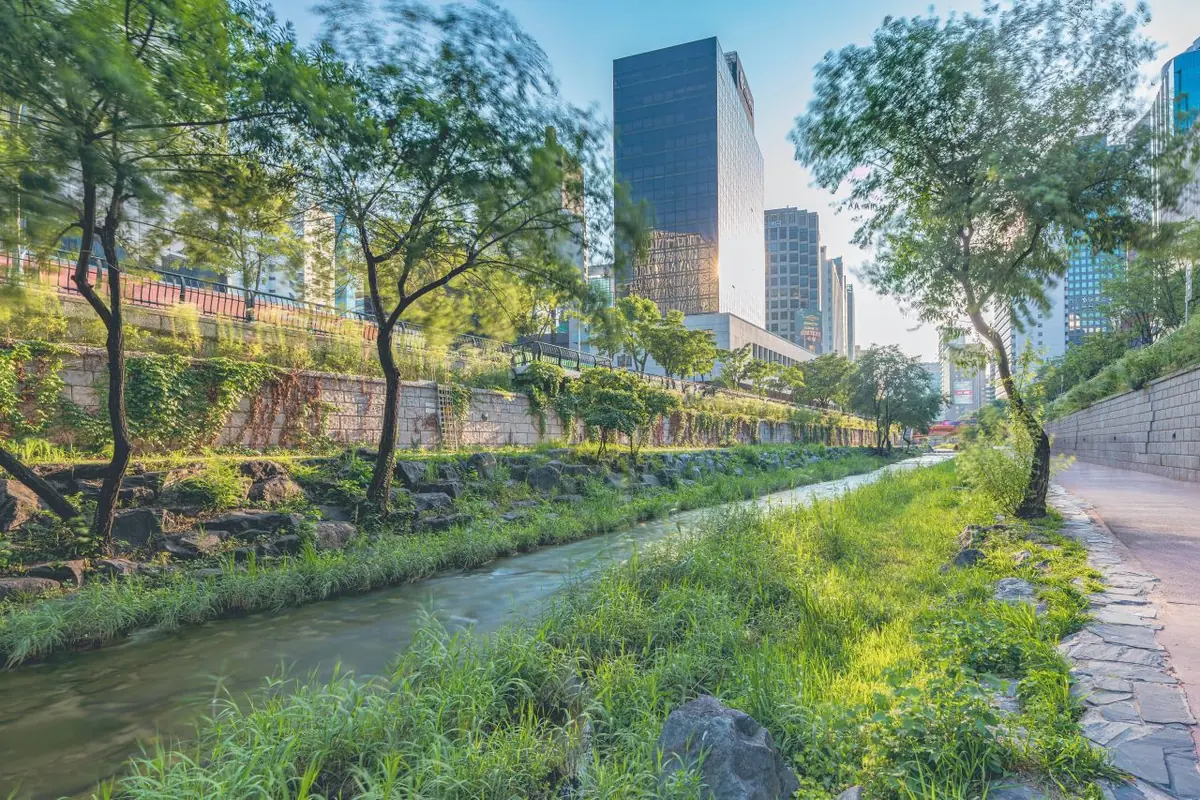
For three days, we would use one central-history day, one neighborhood-and-river day, and one interest-led day. The interest day might be design, hiking, beauty, music, museums or a guided excursion. The route in top things to do in Seoul helps select anchors, while a longer Seoul 3 day itinerary organizes them geographically.
Solo mornings are useful for residential heritage areas because you can arrive quietly before larger groups. In Bukchon, remember that the photogenic lanes are also home streets. Follow posted restrictions, avoid filming into homes and keep your voice low. Being alone makes a considerate visit easier, not exempt from neighborhood rules.
How do you handle evenings alone?
Choose an evening with a clear return route. A performance, illuminated central walk, observation deck, busy food street or small-group tour gives the night a defined endpoint. Check the route back before ordering another drink or letting the phone battery drop. The last train is less useful than the last connection that reaches your actual station and exit.
If you drink, watch preparation, keep the glass with you, control your own pace and do not rely on a new acquaintance for the trip home. Use a licensed taxi or recognized transport service, confirm the destination and vehicle details, and sit where you feel comfortable. Move to a staffed business, station office or busy public area if you need help.
Solo nightlife does not have to mean clubs. Night markets, late museums, riverside paths with regular foot traffic, bookstores, baseball games and performances can offer atmosphere without the same social pressure. Official tourism information can help identify current programs; do not assume an event listed in an old post still operates.
Safety habits that add freedom, not fear
Save your hotel name, address and phone number in Korean and English.
Keep a charged phone and a small independent backup payment method.
Share a rough plan or live location during an unfamiliar late activity.
Use staffed stations, official information centers and recognized transport services.
Leave immediately if someone ignores a boundary or pressures you to change plans.
Know the official police, fire and medical contact information published for visitors.
Situational awareness matters around crowded markets and nightlife areas where distraction makes property easier to lose. Close bags, separate passport from day cash and check the seat before leaving. In an emergency, contact the relevant Korean emergency service or ask a staff member to call; Visit Seoul maintains official traveler safety and assistance information.
Travelers can experience harassment or discrimination anywhere. You do not need to debate a person who makes you uncomfortable. Step into a business, move toward staff or other passengers, document details if safe, and seek official assistance. A plan for leaving is more useful than trying to predict every scenario.
How can you meet people without losing your solo trip?
Book one activity with a natural shared task: a cooking class, walking tour, craft session, hike or performance meet-up. A defined start and end reduces social ambiguity. Read whether the host is an operator, a volunteer program or an informal gathering, and keep your own route home.
Hostel lounges and language exchanges can be friendly, but use the same boundaries you would at home. Meet in public, do not surrender control of transport or documents, and tell someone when your plan changes. It is reasonable to decline an invitation without explanation.
Also protect solitude. Eating slowly, revisiting a gallery or changing neighborhoods on impulse is the point for many solo travelers. Social content online can imply that a successful trip produces instant friends. A quiet day is not a missed opportunity.
A sample three-day solo outline
Day 1: central Seoul
Start at Gyeongbokgung after checking the operating day, choose Seochon or Insadong for lunch, then walk part of Cheonggyecheon. Finish with a comfortable solo meal near your base. This first day teaches transit and street rhythm without a distant evening return.
Day 2: west Seoul and a social activity
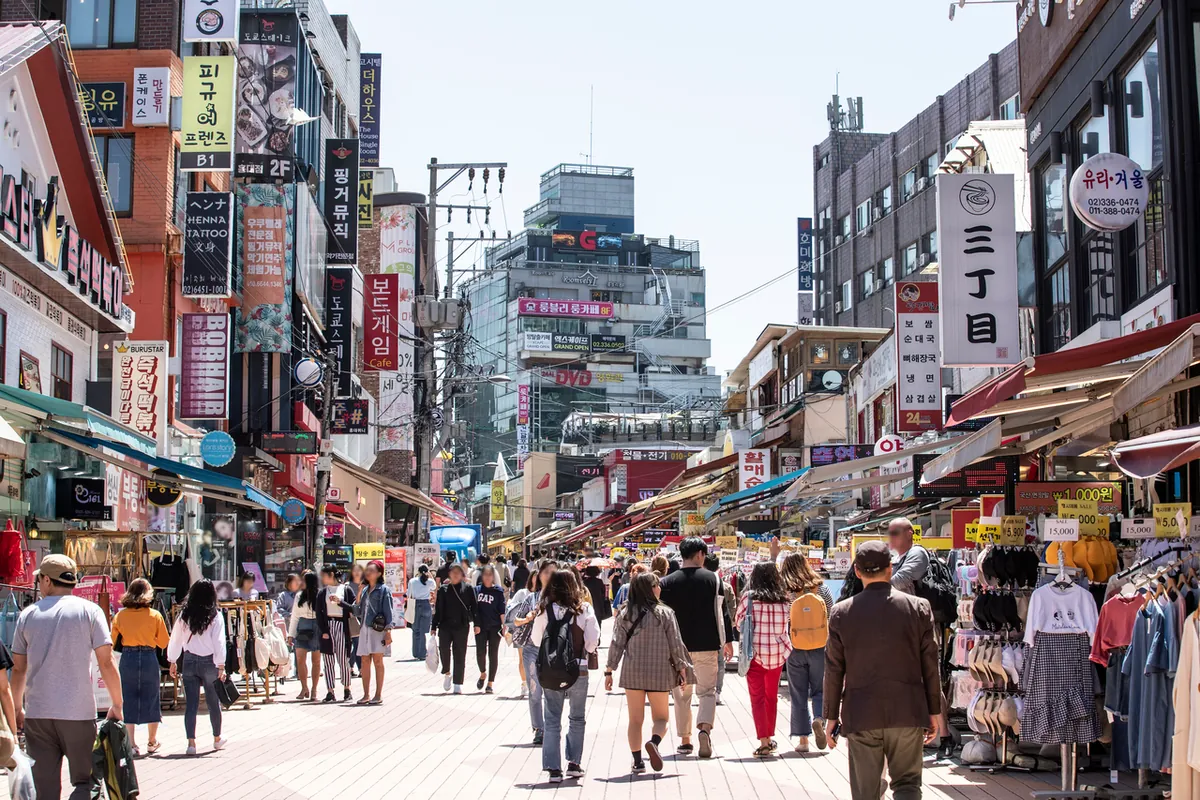
Explore Yeonnam-dong or Mangwon in the morning, keep Hongdae for shopping or live culture, and place a pre-booked class or tour in late afternoon. End near the activity or return on a direct line. Do not stack a pub crawl after a full day unless that is the day's true priority.
Day 3: your specific interest
Choose a museum cluster, Bukhansan route, beauty appointment, market food day or organized excursion. Confirm reservations and weather. Leave the last evening unbooked so you can repeat a favorite neighborhood, pack or rest before departure.
Frequently asked questions
Is Seoul safe for solo travelers at night?
Many visitors move around Seoul independently at night, but no place is risk-free. Use ordinary city precautions, plan the final route, limit impairment, keep valuables controlled and use official assistance if something feels wrong.
Can I eat Korean barbecue alone?
Sometimes. Policies differ, and a restaurant may require multiple portions. Ask before sitting, consider lunch or off-peak hours and keep an easy alternative nearby. Solo-specialist grills and counter restaurants reduce friction.
Which Seoul neighborhood is easiest alone?
Jongno, Myeongdong and Hongdae are common first choices because they combine transit, food and activity. The best one depends on your interests and the property's exact final walk. Inspect the block, not only the district label.
Should I join a group tour?
Join when the activity benefits from access, interpretation or company. A food class, guided hike or controlled-area excursion can be worthwhile. You do not need a group for ordinary palaces, museums, cafés or neighborhood walks.
Last verified: August 30, 2026 by the TipsKorea editorial team. Safety guidance, venue operations and late transport can change; check current official information and use personal judgment.
Sık Sorulan Sorular
Is Seoul safe for solo travelers?
Many people travel independently in Seoul, but no city is risk-free. Plan late routes, control valuables and alcohol, share key details, and use official assistance when needed.
Can you eat alone easily in Seoul?
Yes. Noodles, soups, rice bowls, kimbap, markets, counters and food halls are straightforward. Some barbecue restaurants require multiple portions, so ask first.
Where should a solo traveler stay in Seoul?
Choose a connected station and inspect the exact final walk. Jongno, Myeongdong and Hongdae are common bases, while Gangnam suits travelers focused south of the river.
How can solo travelers meet people in Seoul?
A cooking class, walking tour, guided hike, hostel event or craft session provides structured contact. Keep your own transport plan and protect time alone as well.
Son doğrulama: Ağustos 2026 · TipsKorea Editörleri


