Busan's most satisfying meals follow its geography. We connect representative dishes to Nampo, Seomyeon, Haeundae, Gwangalli and your departure route so the food list supports the trip instead of disrupting it.
Busan dishes at a glance
| Variant | What it is | Best moment | Ask before ordering |
|---|---|---|---|
| Dwaeji gukbap | Pork and rice soup with customizable seasoning | Breakfast, lunch or a simple solo meal | Which cuts and additions are included |
| Milmyeon | Chilled or spicy wheat noodles | A warm-weather lunch or light meal | Broth, spice level and dumpling add-ons |
| Seafood | Raw, grilled, steamed or stewed local catch | Market or coast meal with time to ask questions | Price basis, portion, preparation and side charges |
| Eomuk | Fish cake in many shapes and preparations | Market snack or travel food | Ingredients, broth and packaging instructions |
This guide avoids fixed prices because portions, catch, venue and menus change. Read the current menu before committing.
This Busan food guide turns a long dish checklist into meals that fit the neighborhoods you are already visiting.
Key takeaways
Eat around Nampo and Jagalchi on the old-downtown day, not during a separate cross-city food mission.
Try pork soup and milmyeon as dish families; the best practical shop is often a busy, current option near your route.
Confirm seafood price, portion and preparation before ordering.
Check market closing days, restaurant breaks and last orders with the venue close to your visit.
How should you use this Busan food guide?
Busan stretches along a long coast, and its well-known food areas are separated by hills and lengthy urban transfers. A restaurant that looks close on a nationwide map can cost a meaningful part of the day. The solution is to choose the district first and the restaurant second. Nampo and Jagalchi belong with Gamcheon or the old port; Haeundae and Gwangalli belong with the eastern beaches; Seomyeon works as a central meal base; Busan Station is a sensible place for a final bowl before departure.
This approach also survives restaurant change. A particular shop can close, sell out or alter its break time, while a neighborhood's food pattern remains useful. Save two or three current choices in the same area, inspect each venue's own notice, then follow the one that fits your timing and dietary needs. Our three-day Busan itinerary provides the geographic skeleton; this article adds meals without rebuilding the route.
Busan's official tourism site presents food as part of the city's coast, markets and local history. We use those official dish and place references without claiming that one restaurant is permanently best. Portions, recipes and prices vary. When a menu is based on weight or daily catch, ask for the complete price before the kitchen begins. When a dish uses broth, seasoning or mixed seafood, travelers with allergies or religious restrictions should ask about those components directly.
What are the essential Busan dishes?
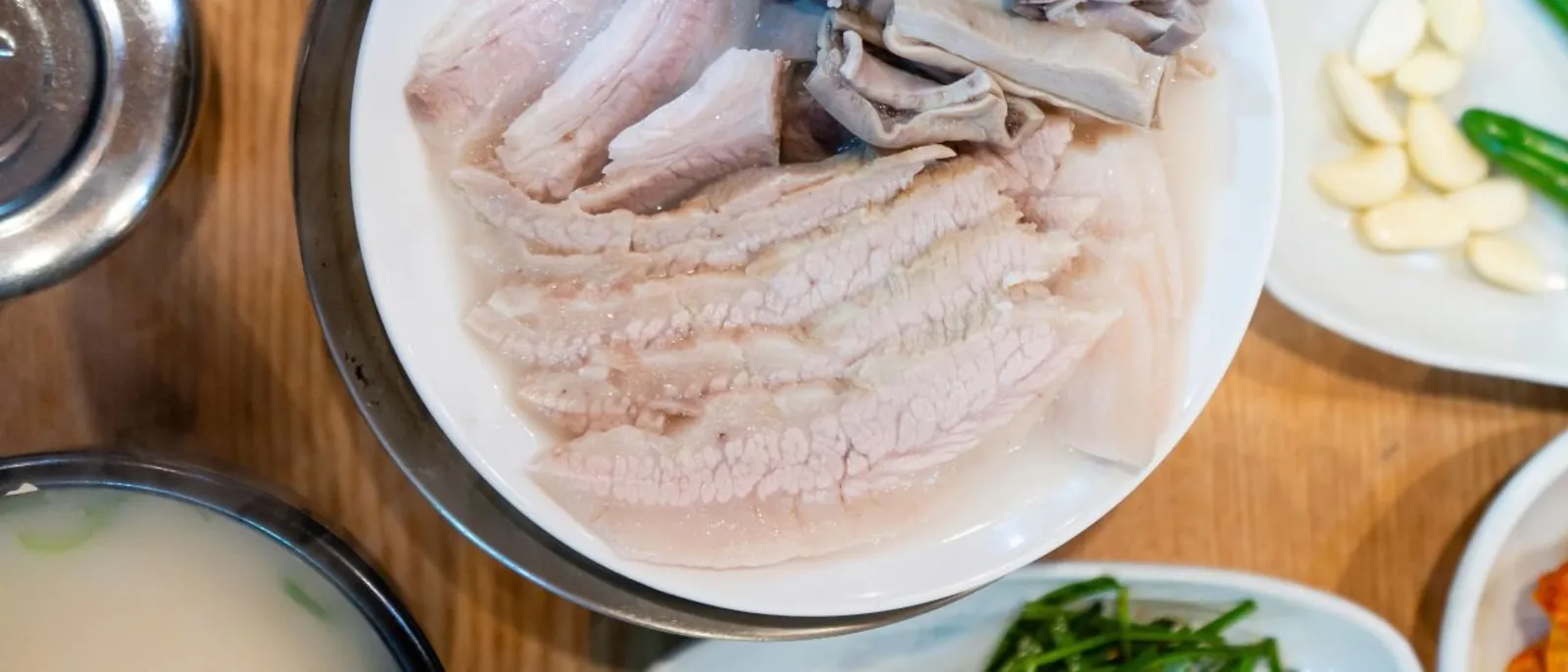
Dwaeji gukbap: pork soup built at the table
Dwaeji gukbap is a bowl of pork broth, sliced meat and rice or rice served alongside, usually accompanied by seasonings and side dishes. The exact cuts, broth clarity and serving style differ by shop. Start by tasting the broth before adding salted shrimp, chives or spicy seasoning; you can increase intensity but cannot remove it. Some menus distinguish plain meat from assorted cuts, so point to the exact option you want rather than assuming every bowl contains the same ingredients.
The dish works well near Seomyeon, the station corridor or any neighborhood where it is part of everyday dining. It can be a fast solo meal, a warming breakfast or an uncomplicated dinner after a rainy day. It is not appropriate for diners avoiding pork, and the broth itself is not a neutral base. Ask about offal and any additions if texture matters. Instead of traveling across Busan for a single famous queue, compare current nearby options and spend the saved time in the district.
Milmyeon: Busan's cool, chewy noodle answer
Milmyeon uses wheat noodles and commonly appears in two broad forms: mul milmyeon in a chilled broth and bibim milmyeon mixed with a spicy sauce. Toppings and broth vary. The dish is refreshing in warm weather but is available beyond summer at many specialists. Cut the long noodles if needed, mix the sauce gradually, and taste the house mustard or vinegar before adding much. Dumplings are a common side, but check their filling and portion before ordering extra food.
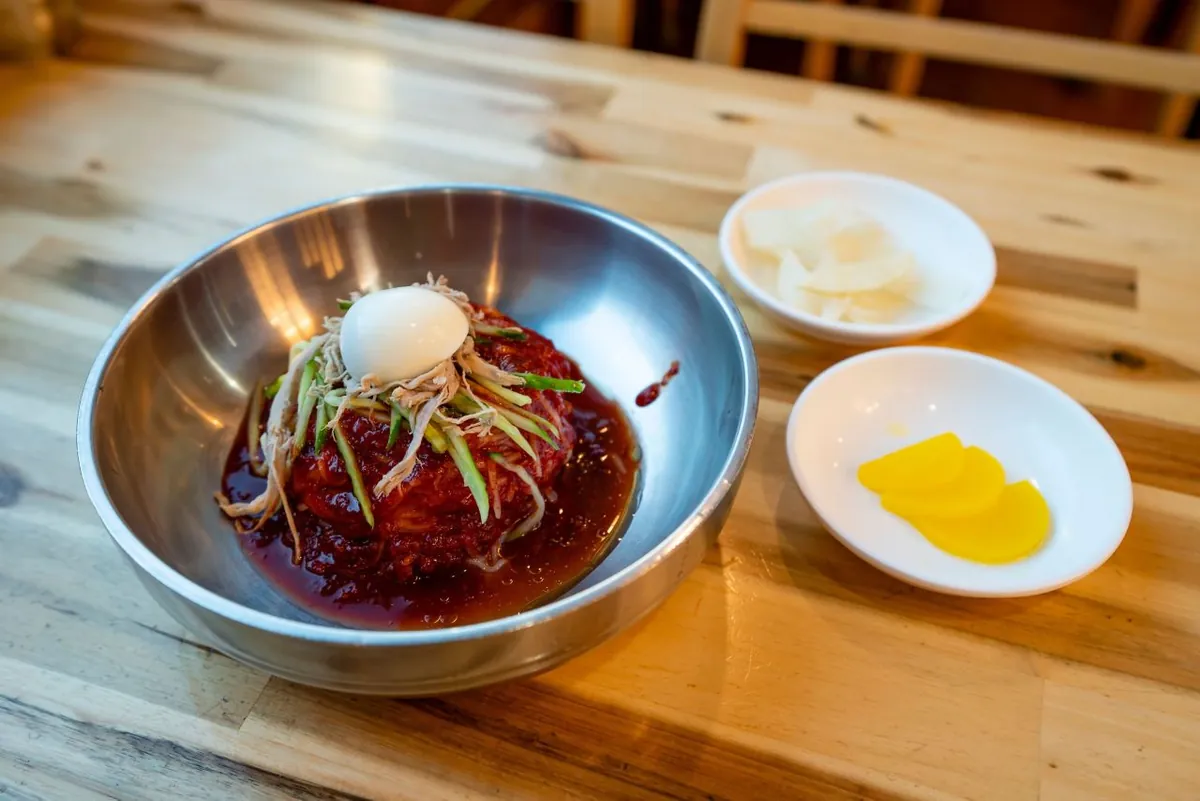
Visit Busan treats milmyeon as a representative local dish, and there are credible shops in several districts. That makes it ideal for a flexible lunch. Pair it with the day's route rather than scheduling a separate pilgrimage. Travelers with allergies should ask about wheat, egg, meat broth and garnishes. A red sauce does not reveal every ingredient, and a chilled bowl can still use meat-based stock.
Seafood: choose a preparation, not just a species
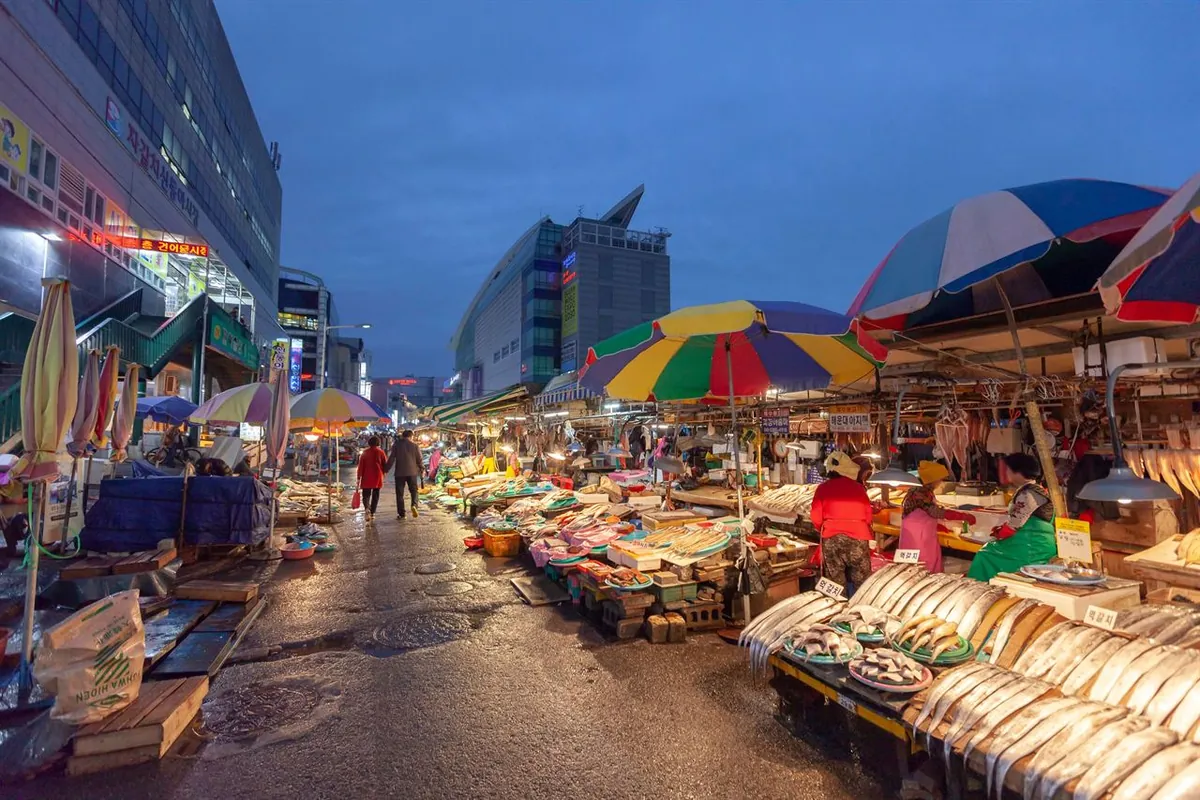
Busan's markets and waterfront districts offer raw fish, grilled fish, shellfish, stews and seasonal catch. Decide first how you want to eat: a simple grilled set, a stew, a market purchase, or a longer raw-seafood meal. The format determines cost, time and communication more than a generic instruction to eat seafood. At Jagalchi or another market, identify whether you are paying by item, weight, set or preparation, and ask whether table, cooking or side-dish charges are separate.
Never accept an unclear price because a market feels informal. Confirm the species, quantity, total cost and preparation before agreeing. If the catch is unfamiliar, ask staff to write the total or show it on a calculator. Raw seafood is a personal health choice; follow official food-safety guidance and your medical needs. Visitors who prefer cooked food can still enjoy the district through grilled fish, soup and the harbor atmosphere.
Eomuk and market snacks: useful in small portions
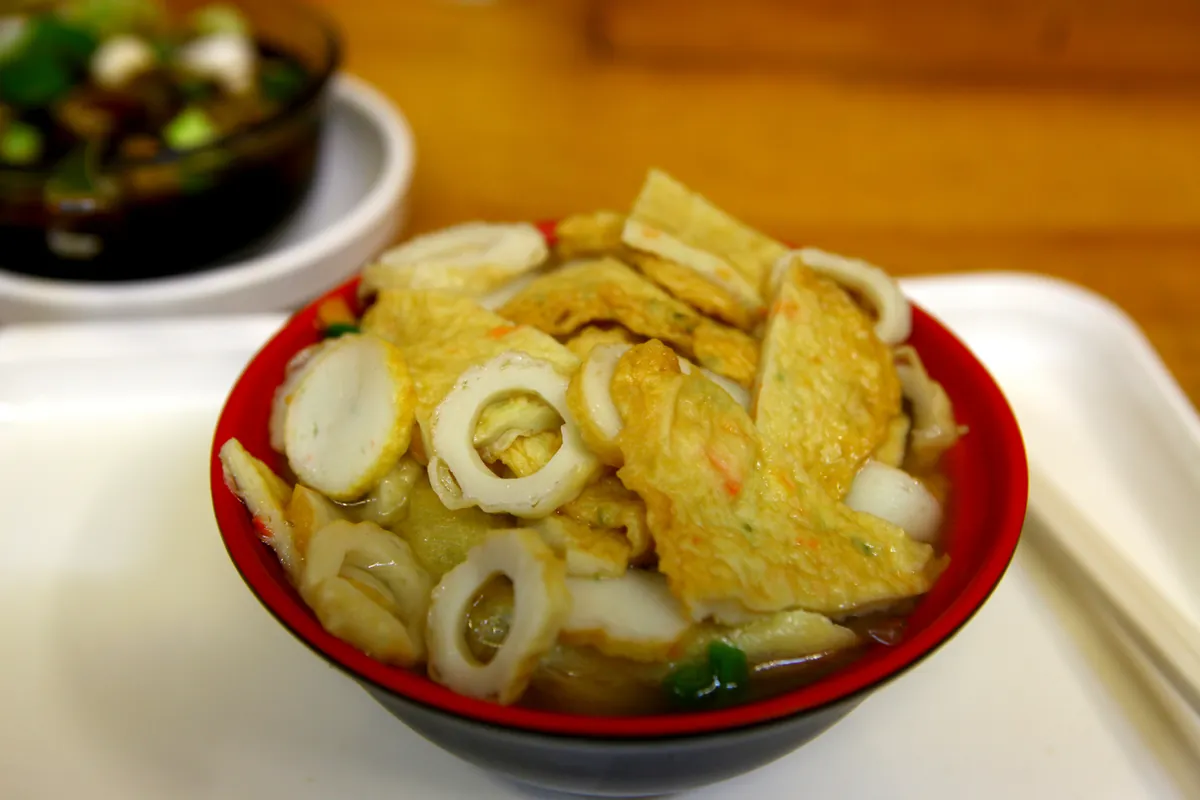
Busan fish cake, or eomuk, appears on skewers in broth, in fried forms and as packaged products. It is convenient between sights, but ingredients and fish content differ. Ask before assuming a product is free of meat, shellfish or allergens. Market streets around Nampo also offer pancakes, dumplings, rice cakes and sweets. Choose one or two items, share portions and leave room for a meal that explains the local cuisine more clearly than continuous snacking.
Where should you eat around Nampo and Jagalchi?
The old downtown is Busan's strongest district for combining food with urban history. Gukje Market, Bupyeong Kkangtong Market, BIFF Square and Jagalchi sit close enough to explore in one extended walk. They are distinct places, however, and their halls, stalls and restaurants do not share one schedule. Confirm the current official listing for any venue that is essential. Start with a light snack, inspect menus while walking, then choose one seated lunch or early dinner.
Jagalchi is the obvious seafood reference point, but the best experience is not necessarily the largest order. Walk through the market, decide whether you want to browse or eat, and clarify the transaction before buying. Around BIFF Square and the neighboring markets, a snack route can include fish cake or seed-filled hotteok, yet queues and vendors change. Treat social-media popularity as a crowd signal, not a quality certificate.
If your Busan plan includes Gamcheon Culture Village, visit the village first and descend toward Nampo for food. Carrying hot market food uphill or interrupting the village with a return trip creates unnecessary movement. The same west-Busan grouping appears in our itinerary. Stay nearby if you want a relaxed market evening; our Busan neighborhood guide compares Nampo with Seomyeon and Haeundae.
What should you eat in Seomyeon and near Busan Station?
Seomyeon is the practical center for travelers who value choice and transport. It is a good place to try dwaeji gukbap, noodles, grilled meat or a straightforward late meal without tying dinner to a distant attraction. Because restaurants cluster across several busy streets, check the exact exit and address before meeting. A long underground or street-level walk can separate two places that share the same neighborhood label.
Busan Station works differently: use it for arrival or departure meals, not as a separate food district in an already crowded day. A bowl of soup, noodles or a packaged fish-cake purchase can fit before a train if you preserve a generous station buffer. Do not place a time-sensitive seafood meal immediately before departure. Our Seoul-to-Busan train guide explains why live ticket and platform checks should take priority over one last queue.
How do Haeundae and Gwangalli differ for dinner?
Haeundae supports a full resort-area meal before or after the beach, with choices spread between the waterfront, market streets and surrounding blocks. Gwangalli is particularly useful for a slower evening because the promenade faces Gwangandaegyo Bridge. Neither district guarantees better seafood simply because it is beside the water. Compare the current menu, how clearly prices are displayed and whether the restaurant suits your group.

Pair food with the beach you already chose. Crossing from Haeundae to Nampo for a specific dinner and returning east is rarely a good use of a short trip. If a famous shop is closed, move to the saved backup in the same neighborhood. In poor weather, eat earlier and replace a long promenade with a cafe or indoor stop rather than making a distant food detour.
How can vegetarians and allergy-aware travelers order safely?
Visible ingredients do not reveal broth, fish sauce, shellfish, meat garnish or shared cooking oil. Vegetarian travelers should ask about stock and seasoning, not only request that visible meat be removed. People with shellfish allergies need particular care in a seafood city because broths, kimchi, dumplings and shared grills can contain or contact seafood. Carry a Korean dietary card that lists the exact allergen and states whether cross-contact is dangerous.
Choose quieter dining periods when possible so staff have time to answer. If communication remains uncertain, select a simpler dish or another restaurant. Convenience-store labels and packaged products can provide a fallback, but they also require ingredient checks. Do not use this guide as medical or religious certification; it is a route-planning tool grounded in official destination information.
A one-day Busan food route without backtracking
For a west-Busan day, begin in Gamcheon, descend to Gukje or Bupyeong for one snack, continue through BIFF Square, and finish with a seated meal near Jagalchi or Nampo. For an east-Busan day, eat a light lunch near Haeundae, walk Dongbaekseom if conditions suit, then have dinner around Gwangalli. For a transfer day, use Seomyeon or Busan Station for milmyeon or pork soup. These are templates, not promises about individual opening hours.
The deeper rule is simple: let food reveal the district. Busan's pork soup, wheat noodles, fish cake and seafood make more sense when connected to the port, markets, working neighborhoods and coast. A geographically coherent meal plan produces more variety, less transit and better decisions than a list of ten restaurants ranked without context.
Last verified: August 30, 2026. We checked representative dishes and districts against current Visit Busan pages; confirm venue menus, prices and closing information directly.
Koʻp soʻraladigan savollar
What food is Busan most famous for?
Dwaeji gukbap, milmyeon, fish cake and seafood are widely associated with Busan. Treat them as dish categories and choose a current restaurant near your route.
Where is the best area for food in Busan?
Nampo and Jagalchi are strongest for markets and seafood context, Seomyeon for central everyday dining, and Haeundae or Gwangalli for a coast-side evening.
How should I order seafood at Jagalchi Market?
Confirm the species, quantity, price basis, total cost, preparation and any separate table or cooking charges before agreeing to the order.
Can vegetarians eat easily in Busan?
Vegetarian options exist, but broth, fish sauce and shared equipment require explicit questions. Carry a Korean dietary card and keep a clearly understood backup.
Oxirgi tekshiruv: 2026 M08 · TipsKorea tahririyati


