
The Seoul subway is straightforward once four actions become automatic: choose the line and direction, tap in, transfer without exiting, and leave through the right numbered exit. This guide explains those decisions using current city guidance.
This Seoul subway guide turns the network into four repeatable decisions.
Seoul's rail map looks complex because several operators and regional lines share one travel system. Visitors do not need to memorize it. They need to recognize line numbers, interchange symbols, station names and the terminal station shown for each direction. Save an official map and use a current route planner for the live journey.
The broader Korea transport cards and passes guide explains product choice. This page focuses on the station process after you decide how to pay.
How do you ride the Seoul subway step by step?
1. Find the line and direction
At the entrance, confirm the station name and line number. Large interchange stations may serve several lines in different buildings or levels. The platform sign usually describes direction using the next station and the line's terminal. Compare both with your route app before passing the final directional split.
2. Tap in or buy a single-journey ticket
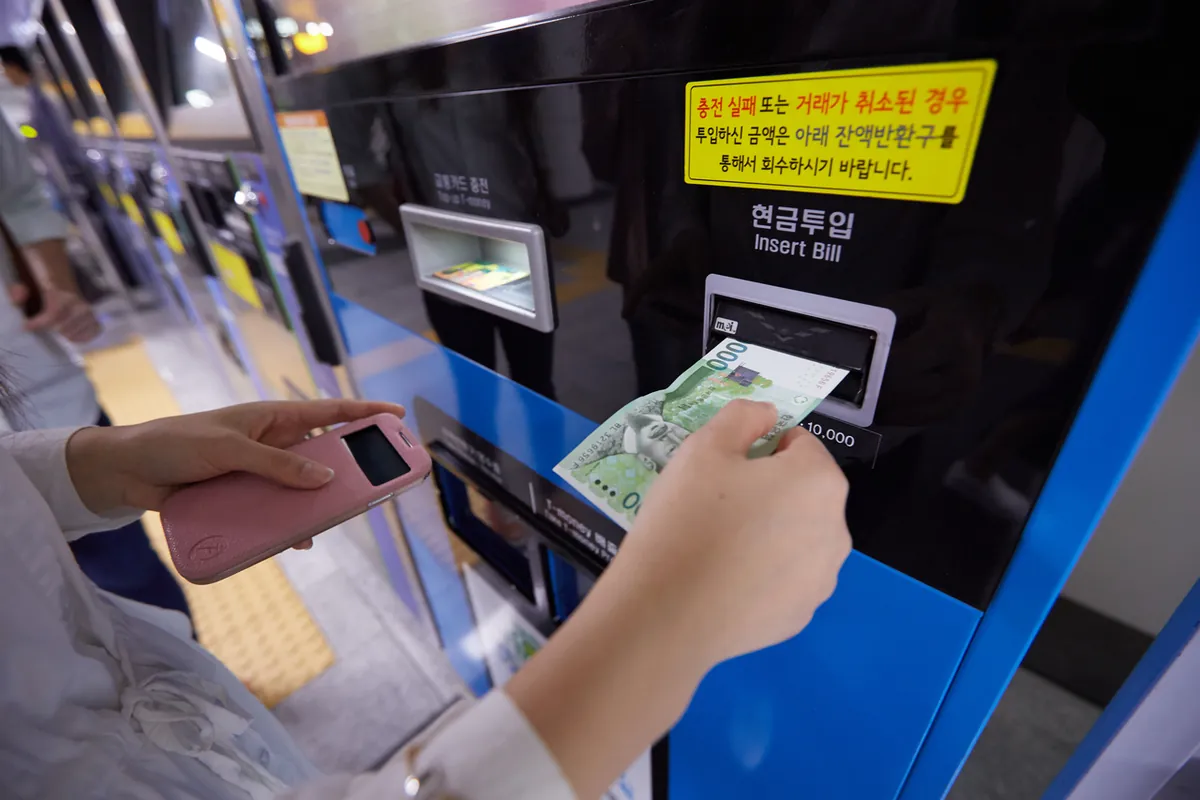
Hold a rechargeable transit card flat against the reader until the gate confirms the tap. One physical card cannot be passed back for several adults because the system records an active trip. If using a single-journey ticket, select the destination at a station machine, follow the displayed payment instructions and retain the ticket through exit and any required refund step.
3. Transfer without leaving the paid area
Follow the numbered line and transfer arrows. Some interchanges involve a long walk, so the route with fewer transfers can be easier even when an app estimates a few extra minutes. Do not pass an exit gate unless the signs or official routing specifically require it; an accidental exit can create a new fare or a re-entry problem.
4. Tap out and use the correct exit
Tap the same card or ticket at the destination gate. Then find the numbered exit that matches the address. A station can span a major intersection or several city blocks. Choosing the wrong exit may leave you across a multilane road with no simple surface crossing.
How much does the Seoul subway cost?
The Seoul Metropolitan Government's current page lists an adult card base fare of KRW 1,550 from June 28, 2025. The cash single-ride amount is higher, and distance beyond the base range adds charges. Youth, child, early-morning and other categories have separate rules. Because fares can change, use the official city table—not an old blog screenshot—as the authority for your travel date.
The integrated fare system can combine eligible subway and bus travel when the card is tapped correctly. The city states that a qualifying transfer must normally begin within 30 minutes of leaving the previous mode, extended to 60 minutes from 21:00 to 07:00, and that up to five free transfers can apply under the stated rules. Free transfer does not mean every ride is free: distance and the highest relevant base fare still affect the total.
If the gate displays an error, do not force it or follow another passenger. Move to the side and show the card to station staff. A failed entry tap, insufficient balance or an incomplete previous trip may need correction.
Which card should a visitor use?
A standard stored-value transit card is the low-friction choice for many visitors because it works ride by ride and supports transfers. Unlimited or visitor products can be worthwhile when their area, validity and transport coverage match a dense plan. They are not interchangeable, and some airport or regional services may sit outside a pass.
Compare T-money, WOWPASS and the Climate Card in T-money vs WOWPASS vs Climate Card. Do the arithmetic from your actual itinerary, but also value simplicity. A small theoretical saving does not help if the product cannot be reloaded where you expect or excludes your route.
What do the signs and announcements mean?
Stations use numbered lines, colors, station codes and bilingual names. Line color is helpful but should not be your only cue because adjacent services and map displays can be confusing. Match the line number and station name. On the platform, check that the next-station arrow points toward your destination.
Trains announce stops and transfers, and many cars display them visually. Still, keep your own route open for a complex interchange. Express and local services exist on some corridors; confirm whether the train will stop at your station rather than assuming every service on the platform is identical.
Accessibility, luggage and priority seating
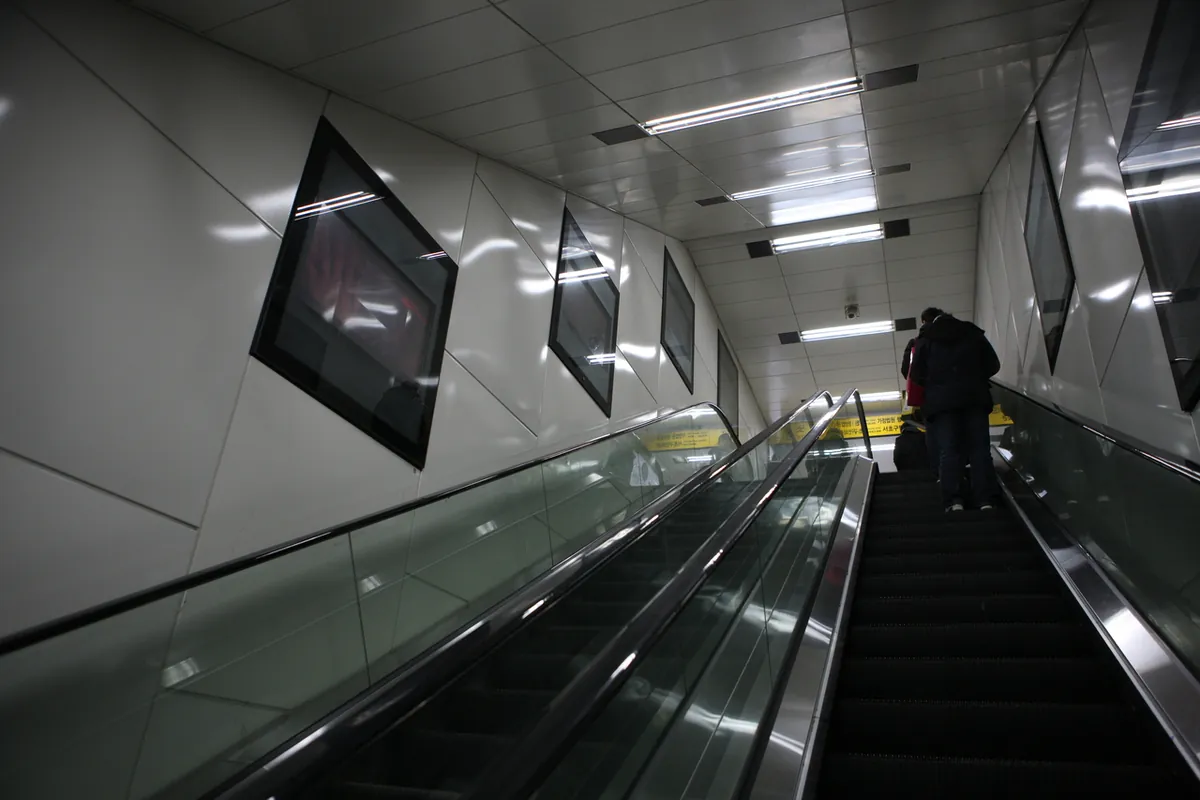
Elevators are common but can be far from the quickest transfer path. Route planners may show a short time that assumes stairs. Allow a larger buffer with a wheelchair, stroller or heavy luggage, and follow accessibility signage even when it looks indirect. Station staff can help identify a suitable route.
Avoid blocking gates, stairs and train doors with luggage. Move inside the car, keep bags controlled and wait for passengers to exit before boarding. Priority seats and designated areas serve passengers who need them; follow posted guidance and yield space promptly.
The airport railway is part of many arrival routes, but service types and ticketing differ. Review Incheon Airport to Seoul before assuming that a city pass or stored-value card covers the exact airport product you want.
How do late trains and missed exits work?
Last-train planning is connection planning. A line may still have service, but the train can terminate before your station or arrive after the final onward connection. Check the full trip shortly before departure and keep a taxi or bus alternative. Weekend and holiday patterns may differ from weekday assumptions.
If you take the wrong direction, leave at the next station and cross using the signed internal route when available. Do not automatically tap out. If you exit through the wrong gate, some Seoul sections have limited re-entry provisions under specified conditions, but coverage and rules are not universal. Ask staff rather than treating re-entry as guaranteed.
Common visitor mistakes
Following line color without confirming the line number and destination direction.
Using one transit card for multiple adults.
Forgetting to tap out or failing to tap off a bus before a transfer.
Choosing the first station exit instead of the one nearest the address.
Assuming a visitor pass covers airport and regional rail.
Planning around the last departure without checking the last usable connection.
Frequently asked questions
Can I use a foreign contactless bank card at the gate?
Do not assume universal open-loop payment. Use a payment method explicitly supported by current Seoul transport guidance and the gate or card issuer. A standard rechargeable transit card remains the predictable visitor fallback.
Can two people share one T-money card?
Not for simultaneous individual subway journeys. The gate records one active entry and requires the same card at exit. Each fare-paying traveler should use an appropriate card or ticket.
Is the subway easy with luggage?
It is possible, but large interchanges and indirect elevators can make it tiring. Avoid peak commuter periods, allow more time and consider an airport bus or taxi when the hotel is far from an accessible station exit.
Does Seoul subway run all night?
No. Operating times vary by line, station and direction. Check the current final usable journey, including transfers, on the night you travel.
Last verified: August 30, 2026 by the TipsKorea editorial team. Fares, pass coverage, transfer rules and operating notices can change; recheck Seoul's official transport pages.
Frequently Asked Questions
How do tourists pay for the Seoul subway?
Most use a rechargeable transit card and tap at entry and exit. Single-journey tickets are also available from station machines; follow the displayed instructions.
What is the Seoul subway adult base fare?
The current city page lists KRW 1,550 with a transit card from June 28, 2025, with distance-based additions. Recheck the official table before travel.
Can two adults share one transit card on the subway?
No for simultaneous trips. Each traveler needs an appropriate card or ticket because the system records entry and requires the same medium at exit.
Does the Seoul subway operate all night?
No. Last usable journeys vary by line, direction and connection. Check the entire route shortly before a late departure and keep an alternative.
Last verified: August 2026 · TipsKorea Editorial


