
The useful comparison is the cost and effort of reaching a usable bed. Match your arrival terminal, onward hotel and realistic exit time before choosing a night bus, direct car or airport-area room.
Compare the whole first night
| Option | Good fit | Before paying | Main trade-off |
|---|---|---|---|
| Night bus | Solo or light luggage near a served stop | Next actual departure and hotel last check-in | Waiting plus the final transfer |
| Private transfer | Groups, many bags or a direct hotel arrival | Waiting allowance, vehicle capacity and night charges | Higher price but fewer transfers |
| Airport-area hotel | Flexible first morning or exhausted travelers | Correct date, late check-in and terminal transport | Another move into Seoul tomorrow |
For an Incheon Airport late arrival, use a night bus if it fits your hotel, a direct car for fewer transfers, or a landside room when rest matters most.
How should you plan an Incheon Airport late arrival?
Start with three facts: your arrival terminal, the time you expect to leave the arrivals hall, and the address of the bed you can actually use. Choose a night bus only when its destination and the final transfer work together. Choose a direct vehicle when luggage, children or a difficult hotel location make that connection unattractive.
A flight scheduled to land late in the evening can leave you making the transport decision after midnight. Immigration, baggage collection and finding the correct exit all happen after landing. We do not recommend committing to a tight connection using a universal airport-processing estimate: it cannot account for your flight, baggage or the queue that night.
Write down a primary plan and one fallback before departure. For example, the primary plan may be a verified bus to a stop close to your hotel; the fallback is an official taxi with enough budget available. If your fallback is a nearby room, check actual availability instead of assuming that an airport hotel must have vacancies.
This guide focuses on the awkward first-night decision. If you clear the airport while convenient trains and daytime buses still run, use our Incheon Airport to Seoul comparison to choose the full route. There is no advantage in selecting a night service simply because your aircraft landed in the evening.
When is the night bus the sensible choice?
A night bus makes most sense when the next departure is practical, the stop is genuinely close to your accommodation, and the hotel will admit you at the resulting arrival time. It becomes less attractive when the journey ends with another long wait or a difficult walk with cases. Compare that whole chain before buying a ticket.
As checked on 21 October 2026, Incheon Airport publishes separate Seoul late-night-bus pages for Terminal 1 and Terminal 2. Their route summaries include N6000, N6002, N6701 and N6703. These are night-service references: do not remove the N and use a similarly numbered daytime route as if the stopping pattern were identical.
For a concrete example, K Airport Limousine lists N6701 toward Mapo, Seoul Station, Euljiro Entrance and Dongdaemun Design Plaza. The operator lists an adult fare of KRW 18,000 and terminal-specific departures. We deliberately send you to the current timetable rather than presenting one copied departure as the bus you can definitely catch.
Check the direction and the last few streets
Open the airport-to-Seoul direction, select your actual terminal and check the stop name. A hotel advertised as near Seoul Station is not necessarily beside the airport-bus stop. Save the remaining walking route, including the building entrance. If that walk looks uncomfortable with your bags or mobility needs, budget for the final taxi before comparing prices.
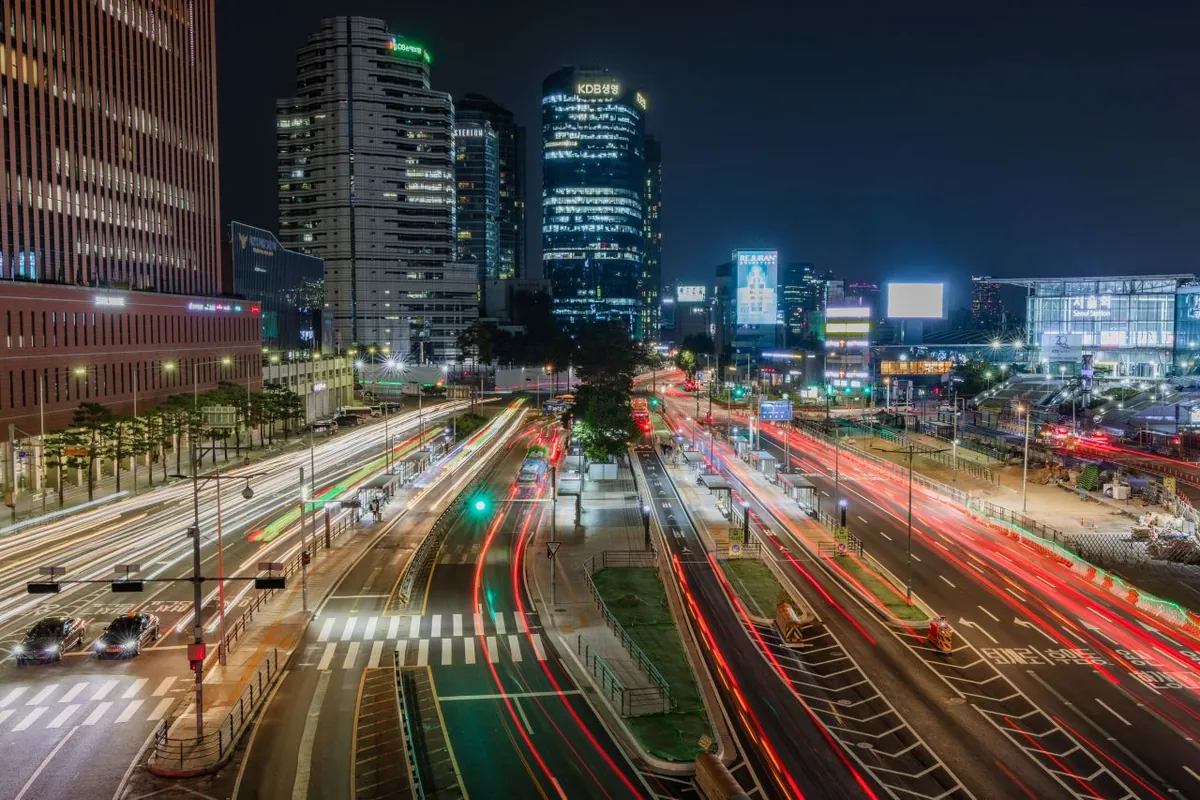
The airport pages tell departing passengers to obtain bus tickets through the specified ticket channels. Follow the route’s current instructions and the terminal signs. Do not assume a prepaid daytime voucher, a transport card balance or a general airport-bus product automatically covers a night departure. Ask the ticket desk when the product or route is unclear.
When is a private transfer worth the extra cost?
A direct transfer is worth comparing when your party would otherwise buy several tickets and still need another vehicle. Its main value is a simpler arrival, especially with large bags or an address away from night-bus stops. The booking is useful only if the vehicle, waiting terms and meeting instructions actually fit your flight.
Enter the passenger count and luggage count separately. Four passengers with four large suitcases need a different capacity check from four passengers with small backpacks. Ask about a child seat, wheelchair storage or a larger vehicle before paying if you need one; a generic passenger capacity is not evidence that those requirements are covered.
Check whether the price includes tolls, late-night service and your exact hotel district. Confirm when waiting time starts, how the driver monitors a delay, and what happens if immigration or baggage takes longer than the allowance. A voucher saying flight tracking is included does not by itself establish unlimited waiting or a free replacement vehicle.
Keep the provider’s contact method usable on arrival. Download the meeting-point instructions, booking number and hotel address in advance. If you cannot find the driver, use the contact on your confirmed voucher rather than accepting an unrelated solicitation. A prebooked car and a taxi from the official rank are distinct arrangements with different payment and meeting procedures.
Compare group costs without guessing a taxi fare
For two adults, two N6701 tickets at the verified adult rate total KRW 36,000 before the final transfer. For four adults, the equivalent is KRW 72,000. These are arithmetic examples, not quotations for every night route. Compare your actual group total with a live vehicle quote covering the same destination, bags and arrival conditions.
A metered taxi is another fallback, but do not treat a screenshot of someone else’s fare as your fixed price. Destination, taxi type and applicable charges can differ. Read our Korea taxi guide before travel, then confirm the appropriate rank and the relevant charges through the airport’s current taxi information.
Should you sleep near the airport instead?
Choose an airport-area night when the extra move into Seoul tomorrow is less costly to you than a tiring arrival tonight. It can suit a flexible first morning, a very late flight or travelers who need a dependable rest. Compare the room together with the transport required to reach it; proximity on a map is not a shuttle guarantee.
Search for the exact number of guests, including children, and the actual overnight interval. Check the last check-in rule and ask the property to confirm your expected arrival in writing. A booking platform accepting payment is not a substitute for that confirmation when reception, access codes or a shuttle could stop before you arrive.
For a hotel outside the terminal, verify which terminal its shuttle serves, its operating hours, whether a reservation is needed and your fallback if it has finished. Also check the next morning’s transfer. A cheaper room that needs two additional taxi journeys may be a worse overall choice than a more convenient room with confirmed access.
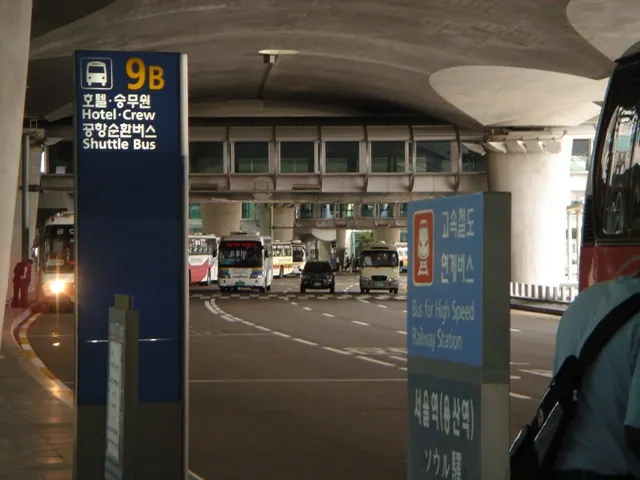
One landside example is ibis Styles Ambassador Incheon Airport, in the Terminal 2 area. Its official Accor page lists 24-hour reception and shuttle service to both terminals. These are separate features: 24-hour reception does not mean a shuttle runs all night. Obtain the actual late-arrival transport arrangement before selecting a room there.
Think about the first activity in Seoul as well. If you have already paid for an early tour, moving into the city tonight may protect that plan. If your morning is deliberately empty, rest near the airport and travel in daylight. When choosing your longer stay, our Seoul neighborhood guide helps match the hotel to the rest of the trip.
Darakhyu or a transit hotel: which can you access?
Separate landside accommodation, reached after immigration, from accommodation inside the secure international transit area. The words airport hotel do not tell you which one you are booking. For an ordinary arrival into Korea, select an accessible landside room. For an international connection, establish your permitted transit path before considering an airside hotel.
Darakhyu’s official FAQ states that transit passengers must pass immigration to use its capsule hotel. It directs travelers who need to stay in the duty-free transit area to the Incheon Airport Transit Hotel instead. Therefore, do not book Darakhyu as if it were a room beside your onward gate without an immigration step.
The Walkerhill transit hotel has terminal-specific locations inside the duty-free area. Confirm the correct property with the hotel and airline for your onward itinerary. A paid reservation cannot grant access to a secure area, and a room in the other terminal is not automatically interchangeable with one that matches your connection.
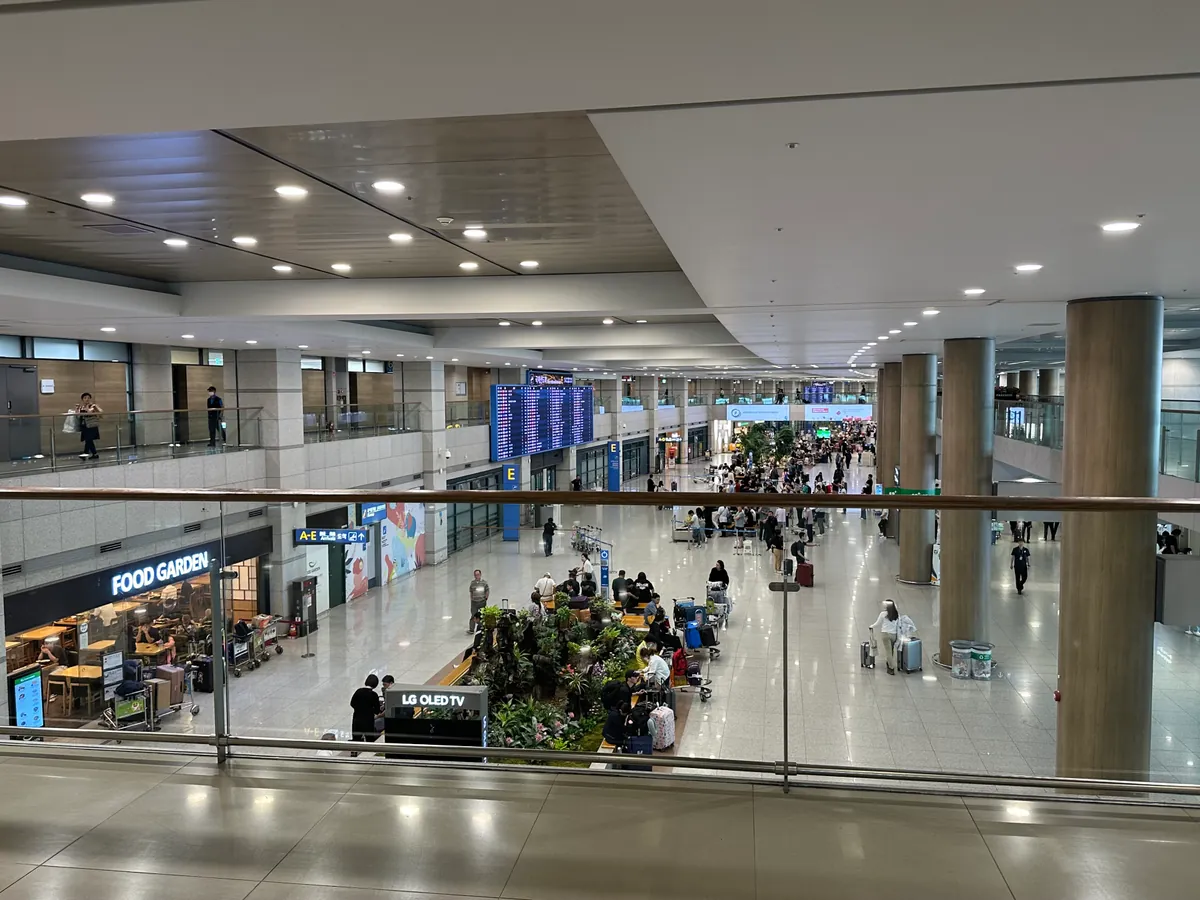
Check the room, not just the hotel name
For any capsule or compact room, confirm the bed arrangement, shower arrangement, guest capacity and booking duration. Darakhyu publishes specific restrictions for accompanying children and distinguishes room types; a double room is not permission to add every family member. Check those rules with your party’s actual ages rather than inferring capacity from a photograph.
We recommend keeping immigration eligibility separate from the accommodation decision. If you are uncertain whether you can enter Korea, resolve that through the responsible official entry information and your airline before buying a landside stay. This article compares sleeping and transport arrangements; it does not establish permission to enter or re-enter the country.
How do you book the right date after midnight?
Tell the hotel both the calendar date and the clock time you will arrive, plus when you intend to leave. Then ask which room night or time block it wants you to reserve. A normal overnight room and an hourly airport room may use different booking structures. The date you click must match the property’s confirmed arrangement.
For example, if you expect to reach reception at 01:30 on 22 October and sleep until that morning, do not assume a standard room booked with a 22 October afternoon check-in will already be available. Explain that you need access at 01:30. Have the property confirm the night to book, and keep that message with the reservation.
Tell your Seoul accommodation if a flight delay changes your plan, even when you decide to sleep elsewhere. Ask what happens to the original booking and any later nights. Do not silently assume a no-show affects only the first night, or that a prepaid room must be held indefinitely without notice.
Read cancellation deadlines in the stated local time and keep the confirmation. A flexible room may cost more but can be useful when your arrival is uncertain. Decide based on the exact terms; the same hotel can sell refundable and non-refundable options with different deadlines on the same date.
A practical fallback sequence for the arrivals hall
Once you are landside, check the current time against the plan you saved. If the next bus and final hotel access still work, use them. If a delay has broken that connection, reassess the whole route rather than racing for one vehicle. Your objective is a workable bed, not completing a route you selected before the flight.
Confirm your terminal and hotel address before walking to a stop or meeting point.
Check the next departure and the remaining journey; do not use the timetable for the opposite direction.
Contact the transfer provider or hotel as soon as the arrival arrangement changes.
If choosing a room, confirm access, guest capacity and the correct night before paying.
Save the new confirmation and tell anyone expecting you where the plan now ends.
Keep a small overnight kit with you, including necessary personal items, a charger and the information needed to contact your accommodation. Leave the next morning less crowded when possible. An easy first night gives you room to adjust to a delayed flight without turning the whole first day into a series of missed reservations.
Frequently Asked Questions
Does landing before midnight guarantee that I can take AREX?
No. Check the train departure from your actual terminal against the time you reach the station, then check any onward connection. Landing time does not include immigration, baggage collection or the walk to transport.
Can I use a regular airport-bus voucher for a night bus?
Only if the voucher expressly covers that operator, route and departure. A similarly numbered daytime service is not sufficient evidence. Check the package and the current night-bus ticket instructions before purchase.
Can I use a transit hotel after entering Korea?
Do not assume so. A transit hotel is inside a secure area and depends on your flight and permitted access. Ask the hotel and airline about your specific itinerary; a hotel reservation alone does not provide airside access.
Is the cheapest airport hotel always the cheapest overnight option?
No. Compare the room with the cost of reaching it after midnight and leaving the next morning. Include confirmed shuttle availability, taxi needs, guest capacity and the time you would lose from your Seoul plans.
Last verified: October 2026 · TipsKorea Editorial


