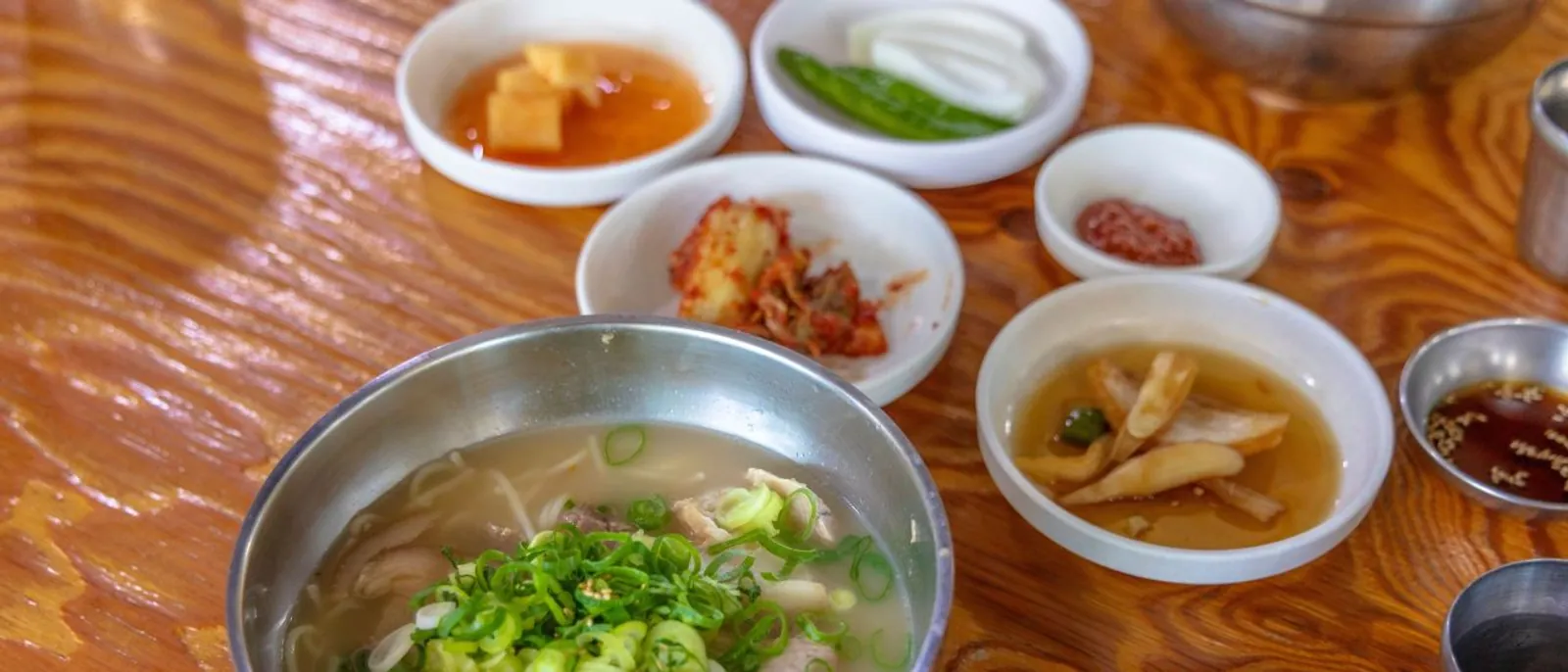
Jeju's food makes more sense when connected to the island's landscape: pork and wheat noodles in the city, seafood beside working coasts, and local greens or seaweed in soups built for wind and labor.
Jeju dishes at a glance
| 選項 | Main character | Best occasion | Check first |
|---|---|---|---|
| Gogi-guksu | Wheat noodles in pork broth | Solo lunch or airport-side meal | Broth, garnish and dumpling filling |
| Black pork | Grilled Jeju pork | Shared dinner | Cut, weight, minimum order and side dishes |
| Galchi | Cutlassfish grilled or braised | Coast or market-area meal | Portion, preparation, bones and total price |
| Abalone | Grilled, porridge or seafood preparation | Breakfast or lighter seafood meal | Serving size and other seafood ingredients |
| Island soup | Seaweed, greens, meat or seafood broth | Cool-weather breakfast | Stock and animal ingredients |
Menus and prices vary too much for a durable fixed-price promise. Read the current menu and ask before ordering.
This Jeju food guide explains what the island's signature dishes are and where each meal fits a realistic route.
Key takeaways
Use gogi-guksu as an easy city meal, seafood as a coast meal, and black pork as an unrushed shared dinner.
Ask about portion, weight, preparation and total price before ordering fish or grilled meat.
Broths and side dishes may contain ingredients that are not visible.
Choose a current restaurant near your day's route instead of driving across Jeju for one queue.
What makes Jeju food different?
Jeju's volcanic land, surrounding sea and long history of island agriculture shape a cuisine that often favors direct ingredients over elaborate presentation. Pork, fish, shellfish, seaweed, local greens and grains appear in practical dishes suited to work and weather. The same dish can vary across homes and restaurants, so this guide describes recognizable forms without declaring one recipe authentic and every variation wrong.
Official Visit Jeju food pages introduce representative ingredients and preparations, but a tourism list is not a fixed restaurant ranking. Use it to understand what to order. Then choose a venue using its current menu, location and ability to answer dietary questions. The island is larger than it appears: a famous restaurant on the opposite coast can create a long detour that makes the meal less enjoyable.
Build one substantial meal around each region. A Jeju City arrival supports noodles or a market meal. A south- or east-coast day supports fish or abalone. A relaxed evening near the hotel supports grilled pork. This leaves room for cafes and snacks without turning every stop into food. Our Jeju without a car itinerary shows why geographic grouping matters even more when buses replace driving.
What is gogi-guksu?
A pork-noodle meal with many house styles
Gogi-guksu combines wheat noodles, pork broth and sliced pork, commonly with scallions or other garnish. Broth richness, noodle thickness and the cut of meat vary. Some shops offer a spicy mixed-noodle alternative or dumplings alongside. Taste the soup before adding seasoning, and check whether rice or sides are included if portion size matters. The dish is explicitly pork-based; removing the visible slices does not make the broth suitable for someone avoiding pork.
It works especially well near Jeju City on arrival or departure because specialists are common enough that you do not need one remote address. Save two current choices near your route, check break times, and avoid a tight meal immediately before a flight. If the restaurant has a queue, decide whether the wait is worth more than a nearby bowl. A regional dish remains meaningful without a famous storefront.
Travelers with allergies should ask about wheat, egg, meat stock and dumpling filling. A simple-looking broth can contain multiple seasonings. Diners who do not eat pork should choose another category rather than trying to modify gogi-guksu into a different dish.
How should you order Jeju black pork?
Jeju black pork usually appears as cuts for table grilling. The useful questions are concrete: Which cut is this? Is the menu price per portion, per weight or per set? Is there a minimum order? Are side dishes, stew or rice separate? Ask before the grill is started. Menus and portions vary, and a durable guide should not quote one price as if it applies island-wide.
Choose black pork for an evening when the group can sit, grill and eat without watching the clock. Staff may begin the cooking or expect diners to continue; follow the restaurant's process and keep raw-meat utensils separate. Grill the meat thoroughly according to food-safety guidance. If the group is small, confirm whether the minimum order produces more food than you want. Solo travelers may find noodles, soup or a set meal easier.
The term describes a Jeju-associated pork product, not a promise about the entire restaurant. Ask separately about origin if it matters, and do not infer welfare, certification or preparation claims that the menu does not state. Visit Jeju's official introduction provides context; the venue's current labeling provides the transaction details.
What should you know about galchi?
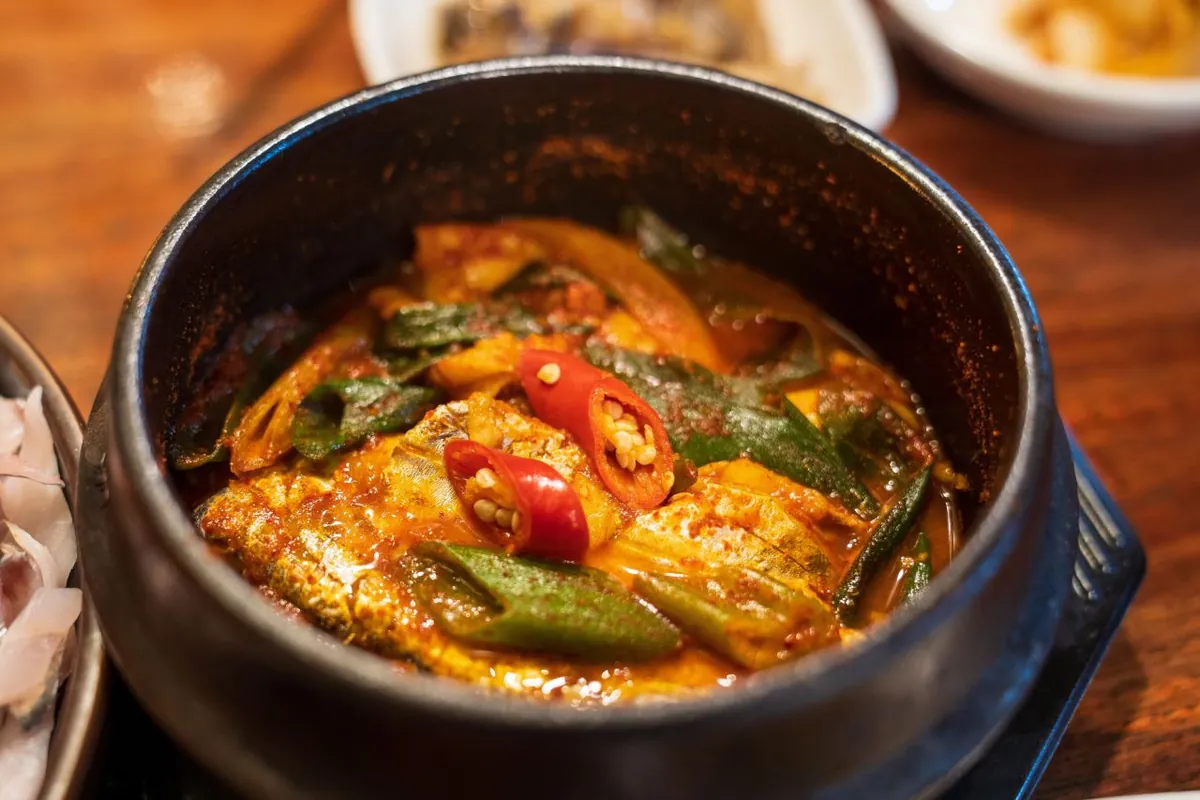
Galchi, or cutlassfish, commonly appears grilled or braised. Grilled fish emphasizes the flesh and works well as part of a set. Braised galchi arrives in a seasoned sauce with vegetables and is often shared. Both preparations contain bones. Eat slowly, separate the flesh carefully and supervise children. A dramatic long fish presentation may imply a larger portion or different price structure, so confirm exactly what the order includes.
Ask whether the menu is a set, how many people it is intended for, what side dishes are included and whether rice is separate. If origin matters, read the current menu or ask; do not assume every fish served on Jeju was caught immediately offshore. Catch, supply and season influence restaurant choices. The meaningful local experience is understanding the ingredient and preparation, not demanding an unsupported origin story.
Spicy braises can include sweetness, soy, chili and other seasonings. Diners with allergies should ask about seafood, soy and shared equipment. A group that wants a lighter meal can choose grilled fish or a smaller preparation rather than ordering a large table set because it appears in photographs.
How do abalone and island seafood fit the route?
Abalone may appear grilled, in porridge or with other seafood. Porridge can be a gentle breakfast, while grilled preparations suit a shared coast meal. Serving size and the amount of abalone vary, so read the description rather than relying on the dish name. Seafood restaurants may also offer shellfish, raw fish or mixed stews. Decide your preparation first, then ask about price and portion.
Coastal villages provide context, but a sea view does not prove freshness, origin or quality. Look for a clearly presented current menu and staff who can explain the order. If buying by weight or selecting live seafood, agree on the complete cost and preparation before committing. Travelers uncomfortable with raw seafood can choose cooked dishes without losing the island connection.
Jeju's haenyeo diving culture is significant, but do not treat every business using haenyeo imagery as direct proof of who gathered a product. Use official cultural sites to learn the tradition and restaurant information to evaluate the meal. Respect working areas, barriers and divers; do not enter a harbor or shore access point merely to photograph food production.
Which Jeju soups and everyday dishes are worth trying?
Seaweed soups, seafood stews and local-greens soups reveal a quieter side of Jeju cooking. Momguk, for example, is associated with gulfweed and pork broth, but recipes vary. A soup that looks plant-based may contain pork, fish or shellfish stock. Ask before ordering if those ingredients matter. Simple rice-and-soup meals can be more practical than another large grilled dinner, especially in cool or wet weather.
Markets and neighborhood restaurants also offer rice dishes, pancakes, dumplings and seasonal produce. Use them to balance the signature list rather than search for novelty at every meal. Try one new ingredient at a time if the group has allergies or sensitive digestion. Keep the restaurant's Korean name and order visible on your phone so staff can confirm what you mean.
Where should you eat on a three-day Jeju trip?
On Day 1 near Jeju City, choose gogi-guksu, a simple soup or a market meal after rental pickup and check-in. On a Seogwipo or south-coast day, choose a fish preparation or an everyday local set near the main stop. On the east coast, use Seongsan or a nearby town for abalone, grilled fish or a backup meal before the drive continues. Put black pork on the evening closest to your hotel so no driver feels pressure to rush or drink.
This structure works with the national plan in our seven-day Korea itinerary: food supports the route rather than creating another transport layer. If you have only two island days, choose noodles, one seafood meal and either black pork or an island soup. A short trip does not need every signature dish.
How can dietary-restricted travelers order more safely?
Carry a Korean card naming each allergy or restriction. Ask about broth, sauces, fish sauce, shellfish, pork and shared oil separately. Vegetarian diners should not assume that a vegetable or seaweed dish uses vegetable stock. Muslim travelers should not interpret the absence of visible pork as halal certification. People with severe allergies need a clear cross-contact conversation and may need to choose a venue better able to provide it.
Mobile access helps with translation and current menus; our Korea eSIM guide covers setup. Save a supermarket or clearly labeled packaged-food fallback near each base. When staff cannot answer confidently, declining the dish is a reasonable decision. A good food plan includes an exit, not only an ideal order.
What should you avoid when planning Jeju meals?
Avoid crossing the island for one viral restaurant, accepting an unclear seafood price, or filling a short day with multiple large set meals. Do not state that a venue is open because an old post shows a door sign. Check the business's current notice and keep a nearby alternative. Do not park illegally on a village road while collecting takeaway; use marked spaces and protect residents' access.
Most importantly, avoid turning local cuisine into a checklist detached from place. A pork noodle lunch after arrival, a fish dinner after a coast walk and a warm island soup in bad weather can reveal more than a rushed sequence of famous addresses. Learn the dish, ask precise questions and let the route choose the neighborhood.
Last verified: August 30, 2026. We checked dish descriptions against current Visit Jeju food resources; confirm each restaurant's menu, price and ingredients directly.
資料來源與查核
我們參照官方或第一手資料查核實用資訊。預訂或出發前,請直接向相關單位確認時效性資訊。
- Visit Jeju — Jeju Food GuideJeju Tourism Organization
- Visit Jeju — Current Local DishesJeju Tourism Organization
- Visit Jeju — Jeju Black PorkJeju Tourism Organization
- Visit Jeju — Official Jeju Tourism GuidebookJeju Tourism Organization
- Public Data Portal — KTO Photo Gallery APIKorea Tourism Organization
常見問題
What food should I try first in Jeju?
Gogi-guksu is an easy first city meal. Add one cooked seafood dish or galchi meal and one unrushed black-pork dinner if your diet allows.
Is Jeju black pork expensive?
Prices depend on cut, weight, set and restaurant. Read the current menu and confirm minimum order and extras before grilling begins.
Is Jeju seafood always locally caught?
Do not assume so. Origin and supply vary. Check the current menu or ask the restaurant if provenance matters to your decision.
Is Jeju food easy for vegetarians?
Some choices exist, but soups, kimchi, sauces and vegetable dishes may use pork, fish or shellfish ingredients. Ask about stock and shared equipment.
最後查核:2026年8月 · TipsKorea 編輯部


