
Gangneung works best as a sequence of compact zones rather than a race across the coast. This plan uses one heritage-and-lake day and one downtown-and-coffee day, with enough flexibility for wind, rain and train times.
This Gangneung itinerary connects Joseon heritage, Gyeongpo's shoreline and Anmok coffee in two practical car-free days.
Is two days enough for a Gangneung itinerary?
The short answer
Yes. Two days are enough for a satisfying first visit if you accept that Gangneung is a spread-out coastal city, not a compact historic center. The useful goal is not to collect every famous beach. It is to experience three sides of the city well: its Joseon-era houses, its lake-and-sea landscape, and its market-and-coffee culture. This route leaves Jumunjin, Jeongdongjin and the southern art attractions for another trip because adding them would turn a calm weekend into a chain of transfers.
Why the itinerary is organized by zone
Ojukheon, Seongyojang, Gyeongpo Lake and Gyeongpo Beach belong to one broad northern sightseeing zone. Downtown Gangneung, Wolhwa Street and Jungang Market form another. Anmok sits southeast of downtown and works naturally as a final coastal stop before returning to the station. Grouping the city this way reduces backtracking and gives you room for a slow meal or weather delay. It also makes the plan easy to shorten: remove one stop without breaking the entire day.
When a day trip is enough instead
A Gangneung day trip can work if your only priorities are the sea, coffee and one meal. It is less convincing when you also want Ojukheon, a lake walk and a market. For that, an overnight protects the best hours of the day and avoids spending nearly as much energy on departure logistics as on the destination. If you are still comparing options from Seoul, our Seoul day-trip guide explains when a long independent outing is worth the effort.
How should you get from Seoul to Gangneung?
Book the train around your real hotel location
KTX-Eum services make rail the simplest starting point for most visitors coming from Seoul. Search live schedules on KORAIL rather than copying a departure time from a blog, because the useful station and available train change with your date. Seoul Station can be convenient for central hotels, while an eastern Seoul departure may reduce the city journey for some travelers. Compare the complete door-to-door route, reserve a seat when demand is high, and keep the official confirmation accessible offline.
Pack for one night, not for every possibility
A small overnight bag makes the local part of the trip much easier. Confirm luggage storage with your accommodation and check station facilities before relying on them. Coastal weather can feel cooler and windier than central Seoul, so bring one light layer and something that handles rain. A charged phone matters because you will use it for live buses, taxi pickup, translation and the return train. If mobile data is not already arranged, review the Korea eSIM guide before leaving Seoul.
Use buses as the base and taxis as a time tool
Gangneung's city buses accept transport cards, and the city publishes basic fare and transport guidance. A card you use in Seoul can therefore remain useful here; see our Korea transport-card comparison for setup. The harder part is frequency and routing between scattered attractions. Check the live route immediately before boarding, tap out where required, and use a taxi when waiting would force you to cut a major stop or risk the train home.
Day 1: How do you combine heritage, Gyeongpo and the sea?
Morning: arrive, leave your bag and begin at Ojukheon
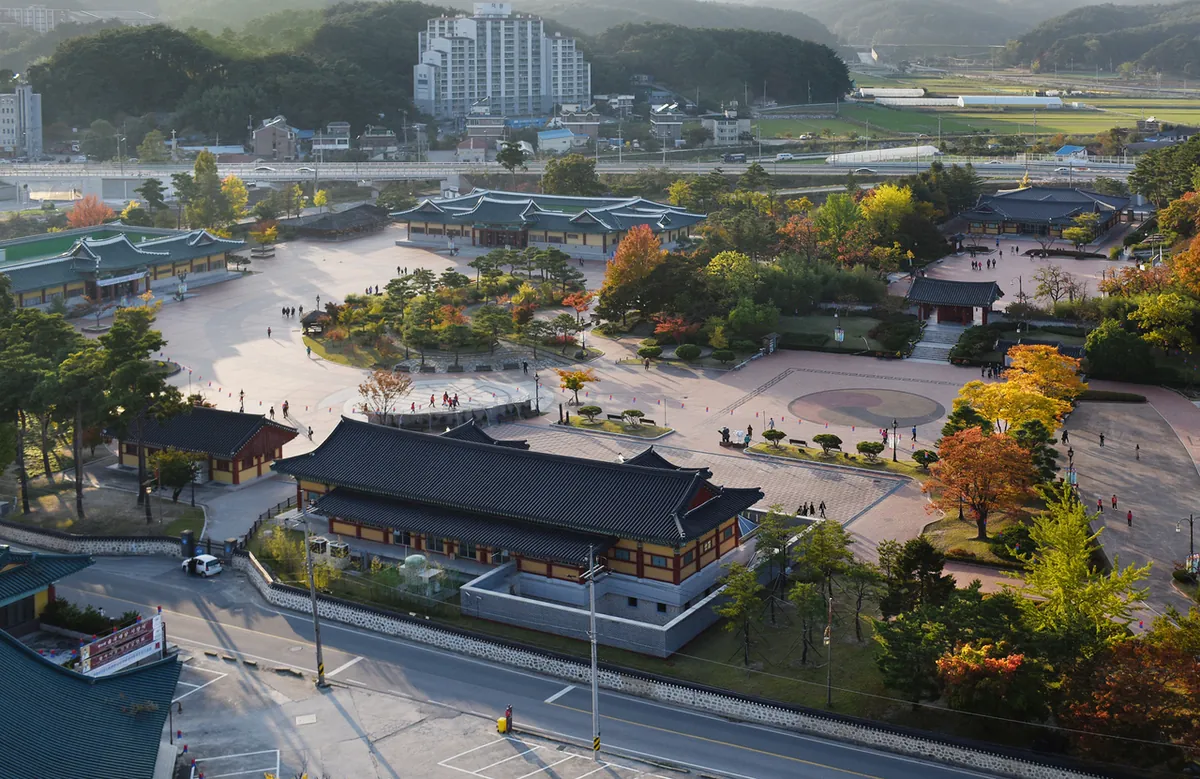
After arriving at Gangneung Station, leave your luggage before sightseeing. Begin at Ojukheon, an early Joseon house associated with scholar Yi I and his mother, artist and writer Shin Saimdang. The complex also includes museum spaces, so it deserves more than a photo at the gate. Read the interpretation, look at how the buildings frame courtyards and bamboo, and use the visit to understand why Gangneung is more than a beach escape. The official listing advises allowing roughly an hour, but your pace may differ.
Late morning: choose Seongyojang for a deeper architecture stop
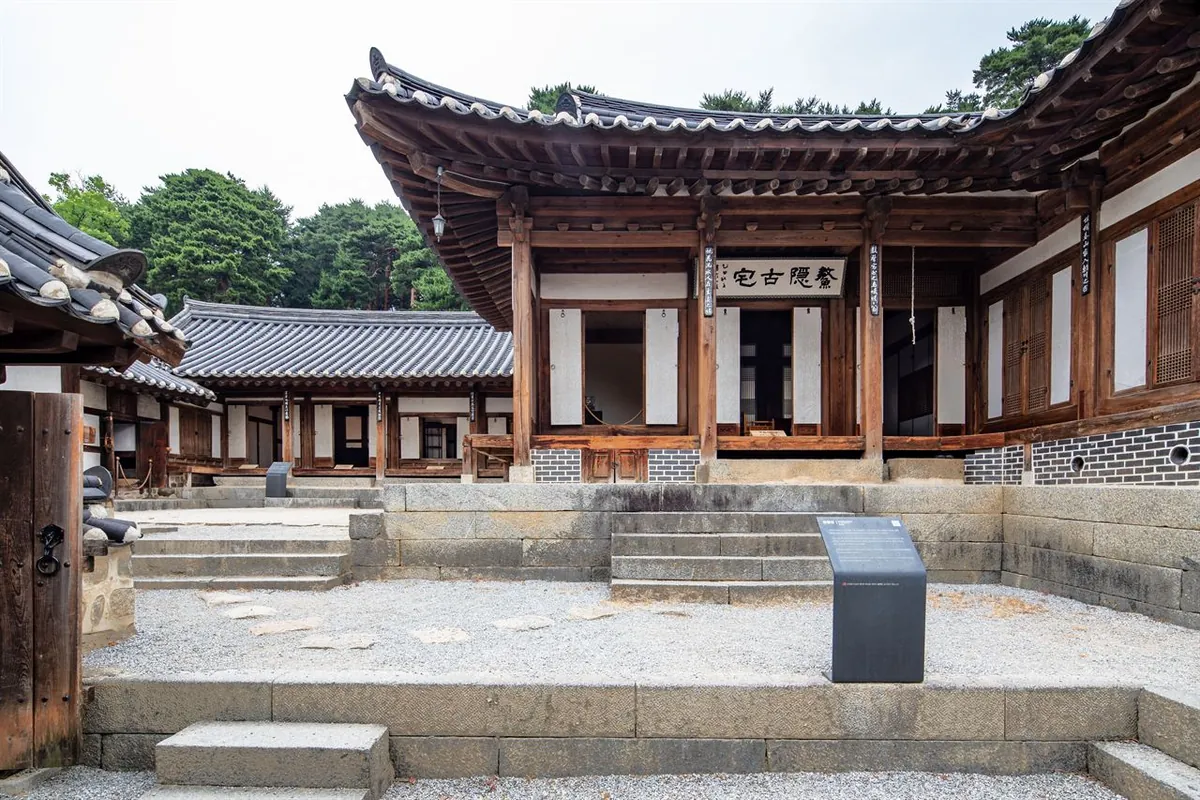
Seongyojang is the best second stop for travelers who enjoy domestic architecture and lived history. The former upper-class residence preserves the arrangement of a large Joseon household, including a pond and pavilion. It complements Ojukheon rather than duplicating it: one introduces major historical figures, while the other helps you read the scale and organization of a substantial residence. If you arrived late or are traveling with young children, skip this stop and go directly toward Gyeongpo instead of reducing every visit to twenty minutes.
Lunch: make Chodang a meal, not a checklist
The Chodang area is known for soft tofu dishes and sits conveniently between the heritage zone and the coast. Choose a restaurant using current opening information and a menu that suits your group rather than following a single viral queue. A warm tofu meal is especially useful on a windy day, but there is no need to order every local variation. Allow enough time to eat without watching the bus clock; this is the pause that keeps the afternoon lake walk enjoyable.
Afternoon: walk only the section of Gyeongpo that suits you
Gyeongpo Lake and Gyeongpo Beach offer different textures within the same area. The lake is suited to a measured walk and birdlife views, while the beach gives you the open East Sea horizon that many visitors came for. Do not assume you need to circle the entire lake. Select a segment based on daylight, heat, wind and your accommodation. In summer, swimming rules and supervised periods are seasonal; outside that period, treat the beach as a walking landscape and follow posted safety notices.
Evening: protect an unscheduled coastal hour
End Day 1 near Gyeongpo if you are staying there, or return downtown for dinner if your hotel is closer to the station. The important choice is to leave one hour unassigned. Clear weather may invite a longer beach walk; poor weather may make a cafe, museum or early dinner more appealing. Sunset time changes substantially by season, and the east coast is better known for sunrise than a sun dropping into the sea, so plan for changing light rather than promising yourself a particular sunset view.
Day 2: How do you link the market, Wolhwa Street and Anmok?
Morning: check out and move your luggage first
Before breakfast, decide exactly where your bag will stay until the train. A downtown hotel may hold it; otherwise confirm a staffed storage option instead of assuming lockers will be available. This small decision determines whether Day 2 feels easy. Once the bag is settled, explore Wolhwa Street and the streets around Gangneung Jungang Market. Wolhwa follows a former railway corridor and gives the city center a walkable spine between small shops, snacks and the traditional market.
Late morning: use Jungang Market for choice, not a food challenge
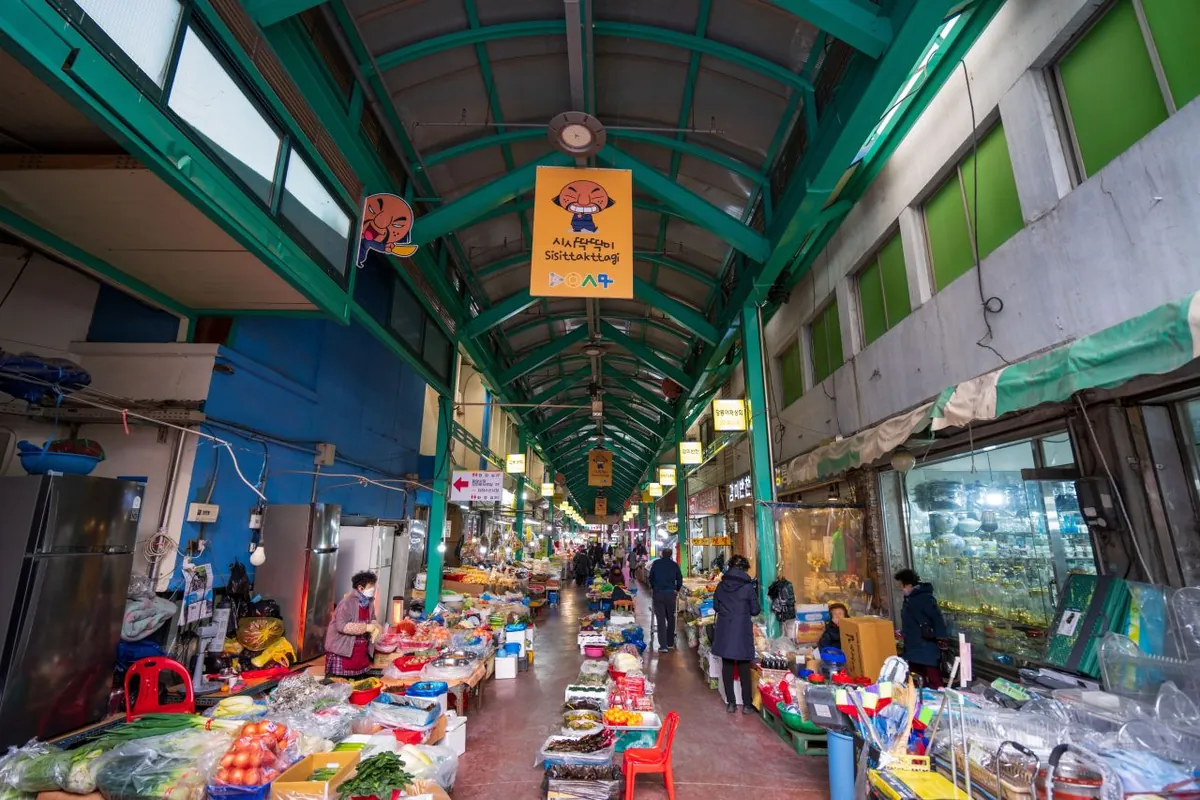
Gangneung Jungang Market is a permanent market with produce, seafood, prepared food and surrounding alleys. Individual shop hours vary, so do not build a minute-by-minute breakfast plan around one counter. Walk once before buying, choose portions your group can finish, and carry a small bag for packaging. The market is most useful because travelers with different tastes can eat in one area. If you plan to take food on the train, select items that travel cleanly and respect carriage etiquette.
Early afternoon: finish at Anmokhaebyeon Beach
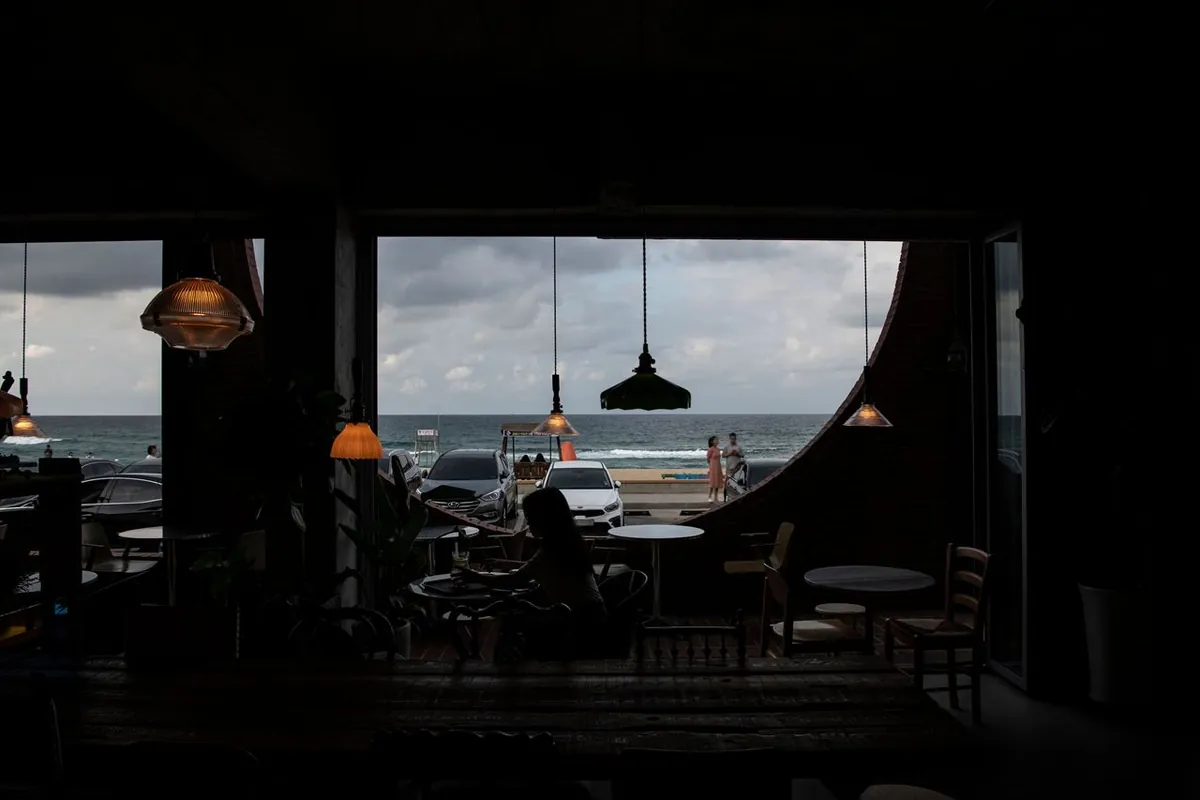
Anmok combines a sandy waterfront with the concentration of cafes known as Gangneung Coffee Street. The official KTO guide published on June 30, 2026 describes local bus connections from Gangneung Station and a short taxi journey, but routes must still be checked live. Choose a cafe for the view, coffee style or accessibility you want; the busiest facade is not necessarily the best fit. Then take a beach walk only as long as the weather and your return buffer allow.
Return: work backward from the train
Set a firm leave-Anmok time by working backward from departure. Include the transfer to your stored luggage, station navigation and a delay margin. Weekend roads and cafe streets can be busier than a map suggests. If the schedule begins to tighten, take a taxi or skip the final drink rather than gambling on a reserved train. Buy food and water before boarding only after you are safely near the station. A calm final thirty minutes is worth more than one extra photo.
Where should you stay in Gangneung without a car?
Choose Gyeongpo for a coast-led trip
Stay near Gyeongpo when early beach time, lake walks and a quieter evening are the main reasons for the trip. This reduces Day 1 movement and lets you experience the coast outside the busiest midday period. The trade-off is that the station, market and some dinner choices require another transfer. Check the exact walk from the bus stop or taxi drop-off, not merely the neighborhood name, and confirm whether the property will hold luggage after checkout.
Choose downtown for easier arrival and departure
A hotel between Gangneung Station and the central market is more practical when you have a late arrival, an early train or heavy luggage. You can reach Wolhwa Street and the market easily, then travel outward for the coast. The setting is less immediately scenic than a beachfront room, but it protects the trip's logistics. Compare current room conditions, cancellation terms and the real station route just as you would when using our Seoul hotel guide.
Choose Anmok only when coffee and morning sea views lead
Anmok can be appealing for travelers who want to wake near the water and spend time in cafes. It is less balanced for this exact route because Ojukheon and Gyeongpo are farther north and luggage must still return toward the station. Book there because the coastal stay is the experience, not because a map label makes every Gangneung sight look close. Recent guest reviews about noise, road access and sea-view room categories are more useful than a general star rating.
What should you eat and drink in Gangneung?
Build meals around neighborhoods
Use Chodang for a tofu-centered lunch, the central market for flexible snacks or a casual meal, and Anmok for coffee. This is more efficient than crossing the city for a single restaurant with a long online queue. Gangneung also has potato-based noodles and dumplings, seafood and regional sweets, but availability varies by shop. Treat specialties as choices rather than obligations, and ask about ingredients when allergies or dietary restrictions matter. Translation apps help, but confirmation from staff is still essential.
Coffee is part of the city, not just a backdrop
Anmok's modern coffee identity grew from beachside vending machines into a street of chains and independent cafes. A better visit compares what you actually value: careful roasting, a sea-facing seat, a quiet interior or dessert. If coffee quality matters most, research the roaster; if the view matters most, inspect access and seating. During the annual coffee festival, dates, venues and programs require a fresh check because official details can be updated after initial announcements.
How should you change this itinerary for weather or season?
Rain and strong coastal wind
Keep Ojukheon, Seongyojang, a museum block, the market and a cafe, but shorten exposed lake and beach walks. Rain can make traditional architecture atmospheric, yet wooden surfaces and outdoor paths may be slippery. Strong wind changes how long the shore remains comfortable even when skies look clear. Follow local warnings and never approach waves for a photograph. If severe weather affects rail or local transport, use the official operator notice rather than social posts or an old timetable screenshot.
Summer, autumn and winter
Summer requires sun protection, hydration and respect for designated swimming operations. Autumn is comfortable for heritage and lake walking but can bring busy weekends. Winter rewards clear sea views and warm food, while wind chill and shorter daylight favor a compact route. Spring can be attractive around Gyeongpo, but flowering dates move with weather. In every season, reserve transport first, keep one indoor alternative and avoid promising a trip around a natural event that cannot be guaranteed.
What should you confirm before this Gangneung trip?
Reserve the outward and return KTX seats on KORAIL and confirm the actual Seoul departure station.
Check live Gangneung bus routes, each attraction's opening notice and the coastal weather on both mornings.
Arrange luggage storage with a named location and note its operating window before leaving your bag.
Save Korean place names and addresses for Ojukheon, Gyeongpo, Jungang Market, Anmok and your accommodation.
Keep enough time for the final transfer from Anmok or downtown to Gangneung Station.
Last verified: August 16, 2026. We checked the route against Gangneung City, KORAIL and current Korea Tourism Organization listings; reconfirm live schedules and notices before travel.
Frequently Asked Questions
Can you visit Gangneung without a car?
Yes. KTX, local buses and selective taxi rides make a two-day visit practical. Group attractions by area and check live bus routes because waiting can take a large share of a short trip.
Is Gangneung better as a day trip or overnight trip from Seoul?
A day trip suits travelers focused on the beach, coffee and one meal. Stay overnight if you also want Ojukheon, Gyeongpo Lake, the market and an evening without rushing back to the train.
Where is the best area to stay in Gangneung without a car?
Choose Gyeongpo for coastal time or downtown near Gangneung Station and Jungang Market for easier luggage and train logistics. Confirm the exact bus-stop or taxi route to the property.
What should I skip if I have less than two full days?
Keep Ojukheon, one Gyeongpo walk, Jungang Market and Anmok. Skip Seongyojang first, and leave distant Jumunjin or Jeongdongjin for a separate trip rather than compressing every stop.
Last verified: August 2026 · TipsKorea Editorial


