
The right day trip is not always the most famous one. Choose a destination that fits your appetite for travel time, a guided schedule, weather exposure, and the kind of day you actually want away from Seoul.
Choose Seoul day trips & tours by travel time, season and interests; use a guide when it simplifies transport or admission.
Seoul is an easy city to fill, but leaving it for one day can add the contrast many first-time itineraries miss: a fortress wall, a mountain trail, a rail-side town, a quiet garden, or a coastal meal. This guide helps you choose a Seoul day trip that fits your energy, season, and transport confidence. It is a planning shortlist rather than a fixed ranking, because the right outing changes with your interests and the time you actually have.
Start by setting a realistic travel-time limit, then choose a destination style. A guided tour is useful when it removes a difficult transfer, an early-morning logistics problem, or uncertainty around admission. Independent travel is often better when you want to slow down, eat where you like, or change plans with the weather.
How should you choose Seoul day trips & tours?
Set a door-to-door time limit first
A place can look close on a map and still take much of the day once you include a subway ride to the departure station, a transfer, waiting time, and the return to your hotel. For a relaxed trip, aim for a destination that leaves at least four or five useful hours on the ground. Longer trips can be worthwhile, but they work best when you are comfortable with an early departure and do not mind a full itinerary. If you are travelling with children, carrying luggage between hotels, or arriving jet-lagged, choose the easier option.
Match the trip to your travel style
History-focused visitors often get the most from Suwon or a DMZ-area itinerary. Nature lovers can choose Bukhansan, Gapyeong, Pocheon, or the east coast. Food-minded travelers may prefer Chuncheon, Incheon, or a market-and-cooking experience in Seoul itself. Families usually value a single clear activity over a route with many short stops. Thinking this way prevents the common mistake of booking a popular multi-stop coach tour that does not match what you actually want to remember.
Choose guided or independent travel deliberately
A tour is not automatically easier or better. It is useful when a route has awkward connections, timed entry, a passport requirement, or a guide who adds meaningful context. Go independently when public transport is straightforward and your priority is flexibility. Before committing, use the Seoul transport-card guide to sort out local transit, then decide whether the convenience of a fixed pickup is worth giving up free time.
14 Seoul day trips and tour ideas to consider
DMZ and Imjingak for a history-led day
A DMZ-area visit is for travelers who want context on the Korean Peninsula rather than a scenic escape. Routes and access conditions can change, so this is one of the clearest cases for a licensed operator with current instructions. Bring the identification requested by the operator, arrive early, and avoid building an inflexible evening around the return time. Read exactly which observatories, memorial sites, or tunnels are named in the itinerary; a tour title alone does not tell you what will be included on the day.
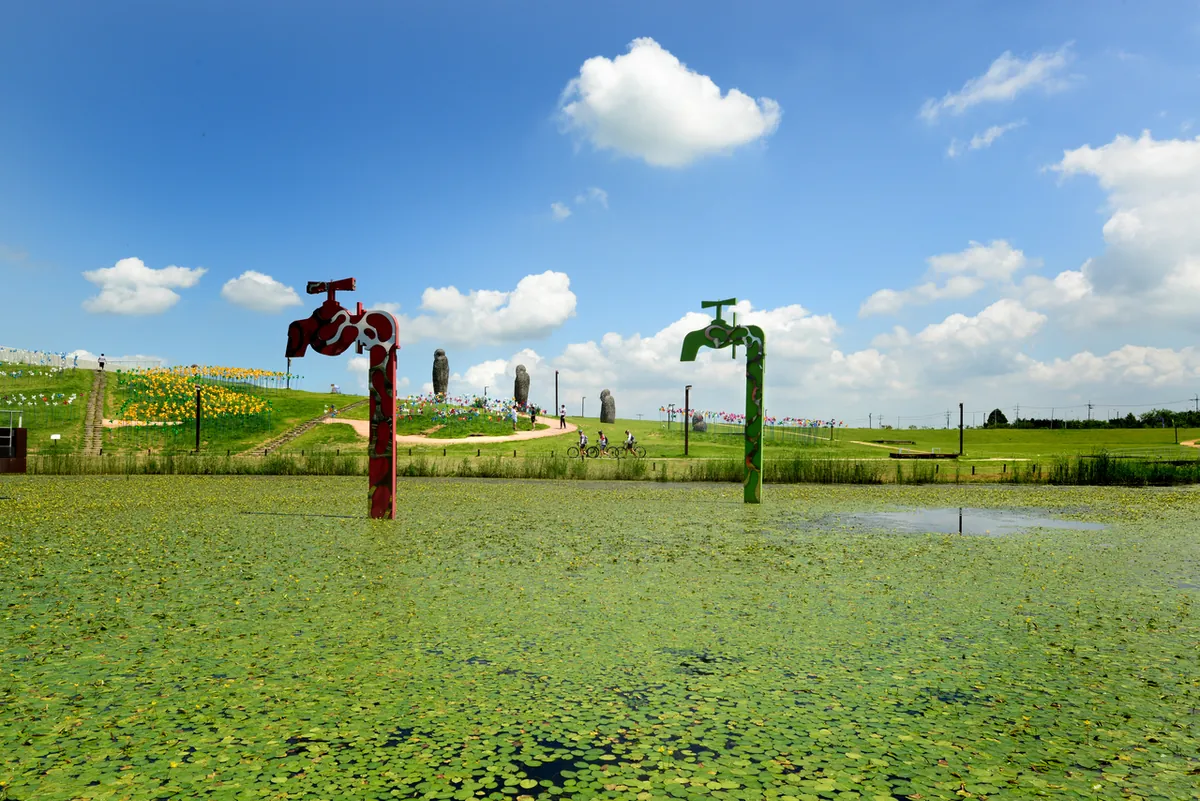
Nami Island for an easy riverside outing
Nami Island suits visitors who want a simple visual break from dense city streets: tree-lined paths, water views, and a gentle pace. It is often paired with other Gapyeong stops, but a bundled route can feel rushed if you care more about walking and lunch than collecting photos. Choose a single-destination plan when you want time to wander. Choose a multi-stop trip only when you are happy to treat each location as a short introduction rather than a full visit.
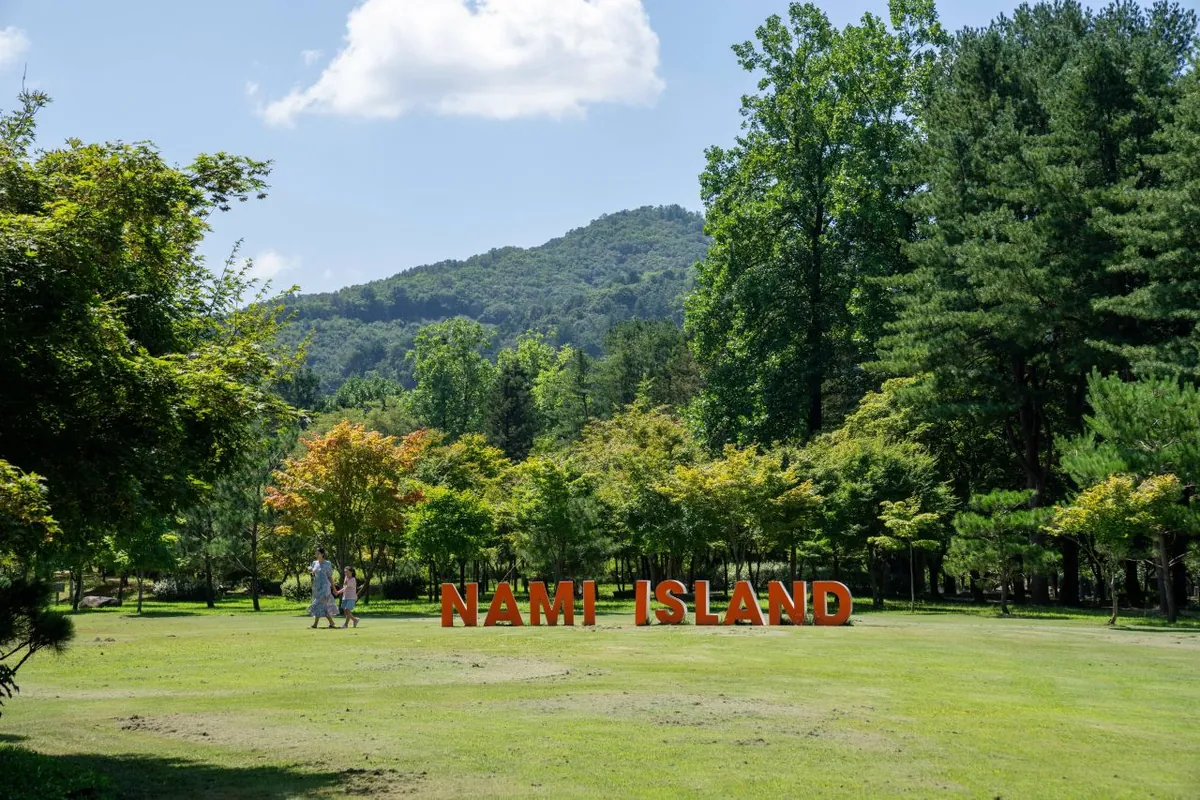
The Garden of Morning Calm for seasonal color
This garden is a good choice for travelers who prefer maintained paths and seasonal planting to a strenuous hike. It pairs naturally with Gapyeong destinations, although the experience depends heavily on weather and the particular season. Check opening information and transportation before you go, especially in winter or during rain. If gardens are your main interest, protect enough time for a slow circuit instead of booking a route that turns the visit into a quick photo stop.
Gangchon Rail Park for a social, active stop
Rail-bike routes are a fun fit for friends, couples, and families who want an activity rather than another museum. The key question is not whether the photos look appealing; it is whether the departure time, bike format, weather exposure, and onward transfer work for your group. Reserve a time slot if it matters to your schedule, wear clothing you can move in, and leave margin for the journey back. Pairing it with Nami Island can work, but it makes for a more structured day.
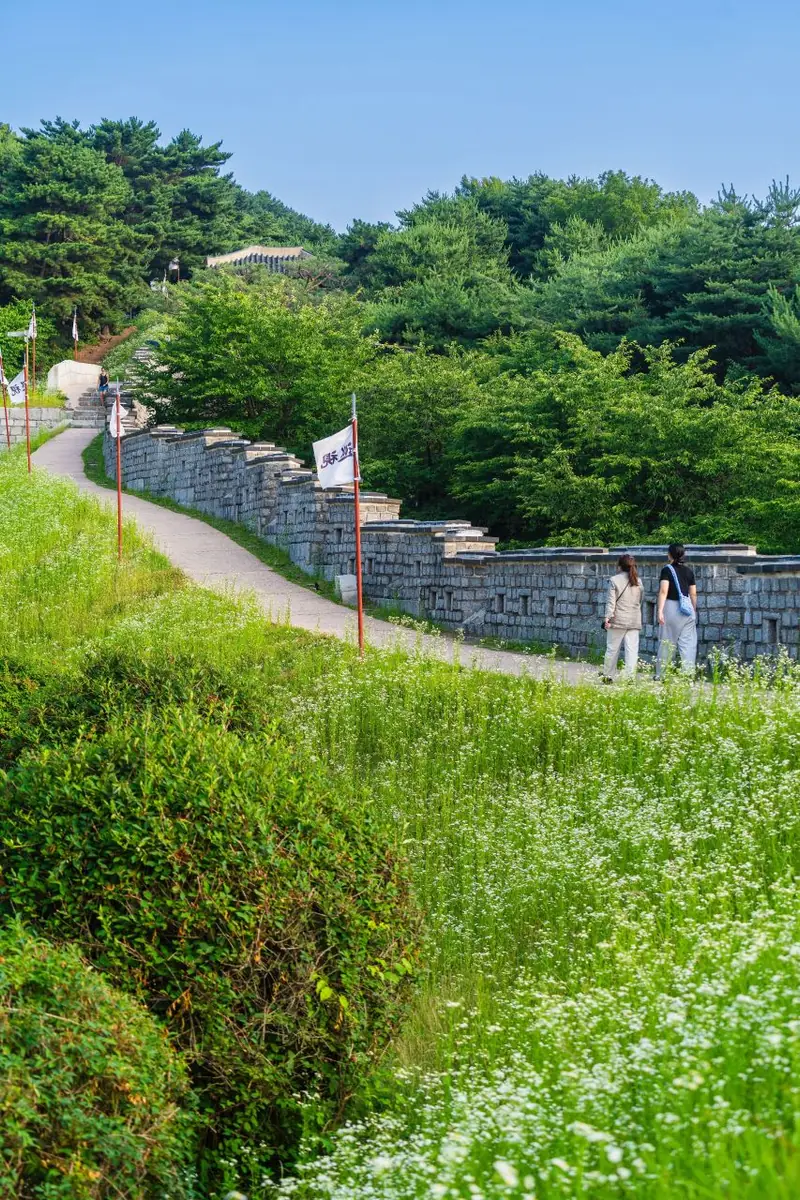
Suwon Hwaseong Fortress for walkable history
Suwon is one of the strongest independent day-trip choices because the historic core rewards a self-paced walk. You can focus on a section of the fortress, the palace area, a local meal, and a cafe rather than following a rigid circuit. It works especially well for travelers who have already seen Seoul's main palaces and want to understand a different period of urban history. Comfortable shoes matter: the appeal is in walking the walls and side streets rather than hopping between isolated attractions. For a broader first-week sequence, pair it with the first-time Seoul guide.
Korean Folk Village for living-history context
A folk-village visit gives first-time visitors a more legible introduction to traditional homes, village layouts, and craft demonstrations than a quick glance at a single historic building. It is a practical family option when children need room to move, but adults interested in architecture and social history can also enjoy it. Check the daily program rather than assuming a particular performance will run. A guided route can be convenient if you do not want to navigate the transfer, while independent visitors can linger longer in the areas that interest them.
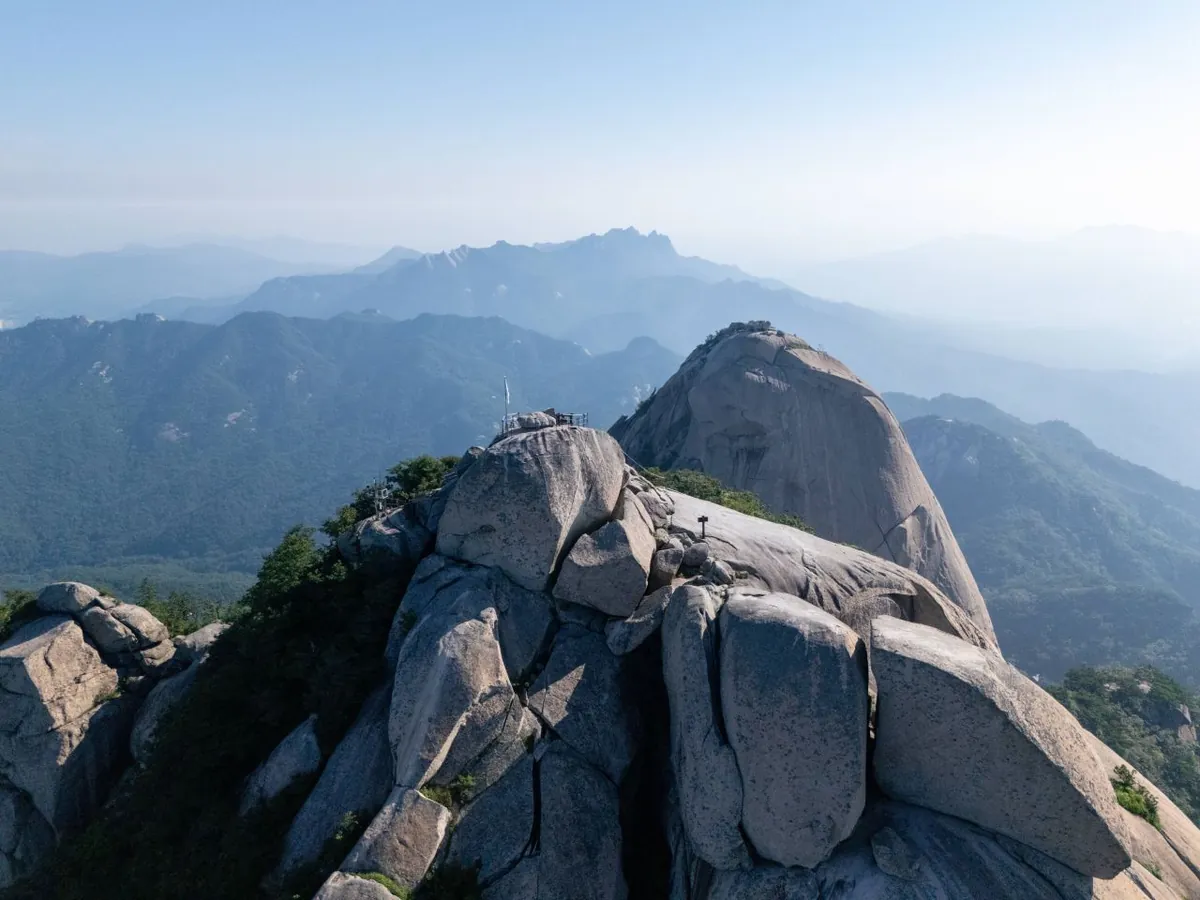
Bukhansan National Park for a real Seoul hike
Bukhansan is the choice for travelers who want a mountain day without leaving the metropolitan area. It is not a casual city stroll: trail difficulty, exposed rock, footwear, daylight, rain, and heat all deserve attention. Choose a marked route that matches the least experienced person in your group, start early, and download maps before setting out. A local hiking guide can be useful for route confidence, but independent hiking is reasonable for prepared travelers who respect the park's guidance and turn back when conditions are poor.
Incheon Chinatown and Songdo for food and urban contrast
Incheon makes sense when you want a lower-commitment day with a change of scenery, especially before or after a flight. Chinatown offers a food-focused stop, while Songdo offers wide avenues, parks, and a more contemporary cityscape. These areas create a useful contrast, but they are not next door to each other, so decide whether you want a food-and-history day or a waterfront-and-architecture day. It is an easy outing to adjust around weather, meal times, and airport logistics.
Chuncheon for dakgalbi and lakeside pacing
Chuncheon is a strong choice when the meal is part of the purpose of the trip. Plan around a local specialty lunch, then add a lakeside walk, a small museum, or a nearby activity according to your energy. Rather than chasing too many separate attractions, give the destination room to feel like a break from Seoul. It can also be paired with Gapyeong stops, although a combined route is better for travelers who enjoy moving quickly and do not mind a late return.
Gangneung for an east-coast reset
Gangneung is for the traveler who wants sea air, coffee, and a visibly different landscape from Seoul. It is a longer commitment, so it is most satisfying when you choose one or two coastal areas and do not attempt to see the entire city. Train-based independent travel can suit planners who enjoy flexible meals and beach walks; a day tour can suit visitors who want transport and sequence handled. If your Korea trip has room for an overnight, that is often a gentler way to experience the coast.
Pocheon for open scenery and a slower countryside day
Pocheon is often used as a broad countryside escape, with routes that may combine a valley, lakeside scenery, a garden, or an art-focused stop. The right itinerary changes by season, which is precisely why you should read the individual schedule rather than reserve based on a generic destination name. This is a good guided-day candidate when you do not want to navigate regional buses or taxis. Bring layers and give priority to one meaningful landscape rather than treating every stop as mandatory.
Yongin for a family or theme-park day
A theme-park day is not a cultural detour, but it can be the right call for families, teens, and travelers building rest into an intense sightseeing week. Decide first whether your group values rides, animal encounters, seasonal events, or simply a change of pace. Buy only the admission or transport option you will realistically use, and check height rules, operating hours, and weather policies directly before departure. Keeping the whole day for one park is usually more enjoyable than trying to combine it with a distant attraction.
Jeonju Hanok Village for food and traditional streets
Jeonju is a tempting food-and-architecture destination, but it is a long day from Seoul. Make it a day trip only if an early start, a focused plan, and a late return genuinely suit your schedule. Otherwise, an overnight lets you experience the streets after day visitors leave and makes meals feel less rushed. If you do go for one day, choose two or three priorities such as the hanok area, a bibimbap meal, and one cultural stop rather than attempting a complete city tour.
Gyeongju for travelers willing to trade time for depth
Gyeongju contains enough historic material for more than a day, so it is best treated as a deliberate long-distance choice rather than a casual add-on. A tightly timed day can introduce major sites, but an overnight gives you more context and less transit fatigue. Choose it when Silla-era history is central to your Korea trip; choose Suwon when you want a closer historical outing with more flexibility. Either way, keep an eye on the final return connection and avoid assuming that every site will fit into one visit.
How to book a Seoul tour without buying the wrong itinerary
Read the route, not just the attraction list
Two listings can name the same destinations and deliver very different days. Compare the number of stops, approximate time at each stop, pickup location, language, meal plan, admissions, and return arrangement. A small group is not automatically calmer if the route has too many transfers, and a coach is not automatically impersonal if it removes several hours of navigation. Book the logistics that solve your problem, not the most ambitious-looking collection of landmarks.
Use cancellation terms as a planning tool
Korean weather can change a hiking day, and jet lag can change an early-start plan. Choose terms you understand and save the booking confirmation offline. Check whether the supplier, platform, or operator handles changes, and note the local time zone used for the cancellation cutoff. If a tour requires a passport, special clothing, or a minimum number of participants, treat that information as essential rather than fine print. It may determine whether the day is actually suitable for you.
Compare providers with the same checklist
When you compare the affiliated Seoul activity options in this article, use the same route checklist on each platform. Look for the operator name, current date, inclusions, meeting point, and guest feedback that describes pacing rather than only scenery. Do not assume a lower headline price is the better value if it excludes transit, entry, a meal, or the only pickup location that works for your hotel. The right booking is the one with clear terms and a schedule you can keep.
Build a balanced Seoul itinerary around one day trip
Put demanding trips after your first full day
A long coach departure, mountain hike, or passport-checking itinerary is easier after you have slept in Seoul and learned your way around. Use arrival day for a simple neighborhood walk, cash or transit setup, and an early meal. A mobile data plan also makes meeting points and rail changes less stressful; our Korea eSIM guide explains the decisions to make before you fly.
Leave the following morning light
Do not schedule a palace opening, cooking class, or airport transfer immediately after a distant day trip. The more resilient plan is a late breakfast, a nearby market, or a flexible museum block. This small buffer makes delays, weather changes, and a tired group much less disruptive. It also gives you space to turn a good day trip into a relaxed dinner conversation instead of another race across the city.
What to check before you leave Seoul
Confirm the meeting point and whether it is a station exit, a hotel lobby, or a separate ticket counter.
Check the latest weather, daylight, footwear needs, and any seasonal closure notices for outdoor destinations.
Carry the identification requested for restricted-area tours and keep a screenshot of your confirmation available offline.
Load your transit card, pack water and a compact layer, and keep the last return option in mind if you travel independently.
Tell your accommodation if you expect a very late return, particularly when you are staying in a small guesthouse with limited front-desk hours.
Before you leave, confirm the latest destination rules, transport conditions, and operator details. That final check matters more than any static itinerary.
Frequently Asked Questions
What is the easiest day trip from Seoul for a first-time visitor?
Suwon is a practical first choice if you want history with flexible pacing, while a Gapyeong destination suits visitors looking for scenery. Choose based on your interests and the amount of travel time you are comfortable with.
Do I need a tour to visit the DMZ from Seoul?
Access conditions and visitor procedures can change, so many travelers use an approved operator for a DMZ-area visit. Read the current itinerary carefully, bring the identification requested, and do not rely on an old schedule.
Which Seoul day trips are good in bad weather?
Suwon, Incheon, and food-led outings can be easier to adapt in rain than a mountain hike or garden-focused day. Check the local forecast and choose a route with indoor stops and simple transport.
Is Jeonju or Gyeongju realistic as a Seoul day trip?
Both are possible only as long, focused days and are often more rewarding with an overnight. Choose a closer destination if you prefer a slower pace or have limited time in Korea.
Last verified: August 2026 · TipsKorea Editorial


