
This is a first-trip shortlist, not a race to collect attractions. The best Seoul days combine one anchor experience with a nearby food stop and an evening neighborhood, leaving space for weather and energy levels.
Choose things to do in Seoul in nearby clusters: combine palaces, market meals and neighborhood walks, then check any booking rules.
Seoul rewards a little structure. The city is huge, but its most useful first-trip experiences cluster into walkable districts linked by fast public transport: royal Seoul around Gwanghwamun and Jongno, food and shopping in central Seoul, youthful nightlife in Hongdae, and big river-and-skyline moments farther south and east. This 2026 list is designed for visitors who want context as well as photographs. Start with the items that match your interests, then group them by neighborhood so that your trip feels spacious rather than rushed.
How should you choose things to do in Seoul?
The ranking is not a promise that every visitor should do every item. Seoul works best when you combine a few reliable anchors with room to wander. A family may prioritize a park, an aquarium, or a theme attraction; a history-focused visitor may give a full morning to a palace and museum; a food-first traveler may build an afternoon around a market. The practical question is not whether an attraction is famous. It is whether it fits the part of the city you will already be in and whether it needs a timed ticket. For bases and transit logic, pair this list with our first-time Seoul planning guide.
Seoul’s weather matters. Spring and autumn are popular for outdoor walking, while summer heat and winter cold can make a museum, cafe, or covered market a better midday choice. Major holiday periods can also change opening patterns and crowd levels. Before you leave your hotel, check an attraction’s official notice for the day’s hours, weather restrictions, and any special admission arrangement. That small habit is more valuable than trying to lock every hour of your itinerary months in advance.
The historic core: palaces, hanok, and old Seoul
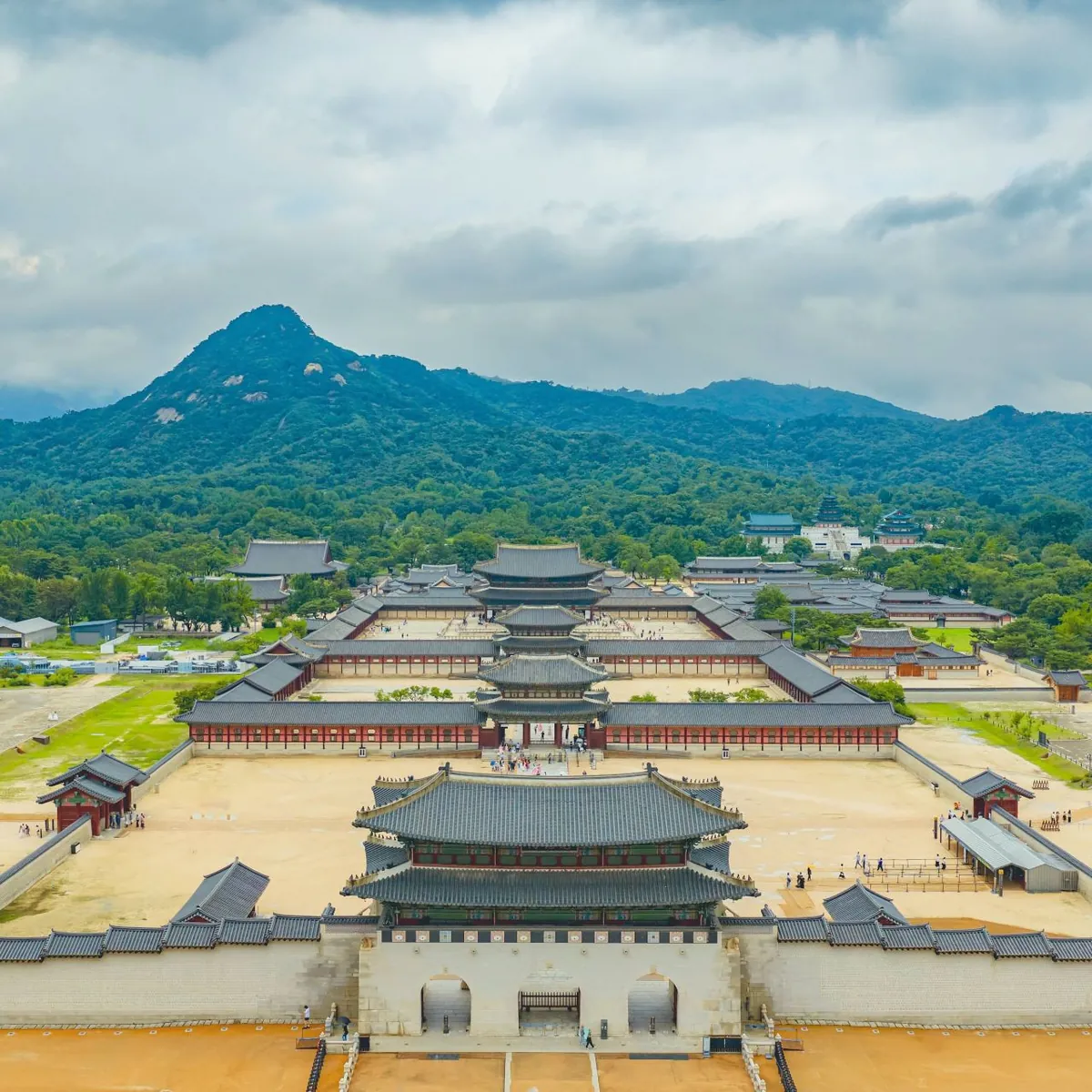
Start at Gyeongbokgung Palace
Gyeongbokgung is the clearest introduction to Joseon-era Seoul and a sensible first historic stop because it sits near museums, Seochon and Bukchon. The official palace page lists a Tuesday closure and seasonal public hours: opening is 09:00, while closing ranges from 17:00 to 18:30 with final admission one hour earlier. Standard admission for ages 19–64 is currently KRW 3,000. Special nighttime programs use separate notices and ticket rules, so check the official page for your exact date. A standard daytime visit pairs naturally with the National Palace Museum or Gwanghwamun.
Walk Bukchon with respect for residents
Bukchon Hanok Village lies between historic palace districts and remains a residential neighborhood, not an open-air theme park. Seoul's official restriction applies to the Red Zone around Bukchon-ro 11-gil: tourist visits are prohibited from 17:00 to 10:00, with enforcement and a KRW 100,000 fine in effect since March 1, 2025. The restriction is zone-specific, so follow the posted map and signs. During permitted hours, keep voices down, do not block gates or photograph inside homes, and leave crowded residential lanes for a museum, tea house or public street.
Continue to Insadong and Ikseon-dong
Insadong is an easy continuation after Bukchon because it adds craft stores, galleries and tea houses. Nearby Ikseon-dong offers narrow lanes with renovated hanok buildings containing restaurants, cafes and shops; Visit Seoul identifies Jongno 3-ga Station on Lines 1, 3 and 5 as the nearest subway hub. The streets themselves do not require a formal tour or admission ticket, but each business sets its own hours, reservation and queue policy. Give yourself a loose route and verify any must-visit shop directly.
Make time for a history or art museum
A museum adds context when weather is poor or you need a slower afternoon. The National Museum of Korea's official 2026 schedule lists 09:30–17:30 on Monday, Tuesday, Thursday, Friday and Sunday, and 09:30–21:00 on Wednesday and Saturday, with last admission 30 minutes before closing. Permanent galleries are free; charged special exhibitions and the Children's Museum can have separate ticket or reservation rules, and specified holiday or quarterly closures apply. It sits in Yongsan, so plan it as a separate outing rather than squeezing it between Jongno stops.
Food, markets, and the working city
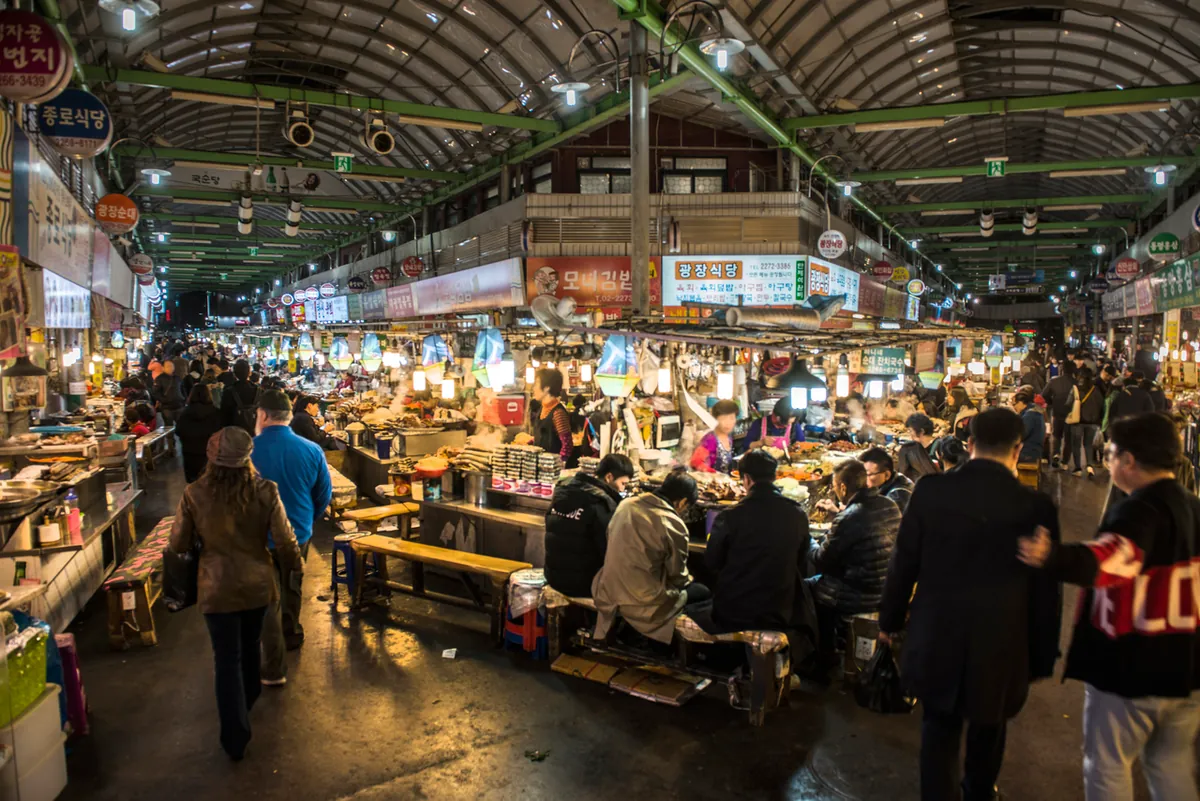
Eat deliberately at Gwangjang Market
Gwangjang Market is one of Seoul’s most recognizable food-market experiences, but its sections do not share one closing time. Visit Seoul currently lists the general market at 09:00–18:00 from Monday to Saturday, with Sunday closure, and the Food Alley at 09:00–23:00 daily. Individual stalls can close or sell out earlier, so verify a specific vendor directly. Order only what appeals to you, observe each stall's seating and payment practice, and translate dietary requirements in advance. Jongno 5-ga Station Exit 8 is the listed subway access point.
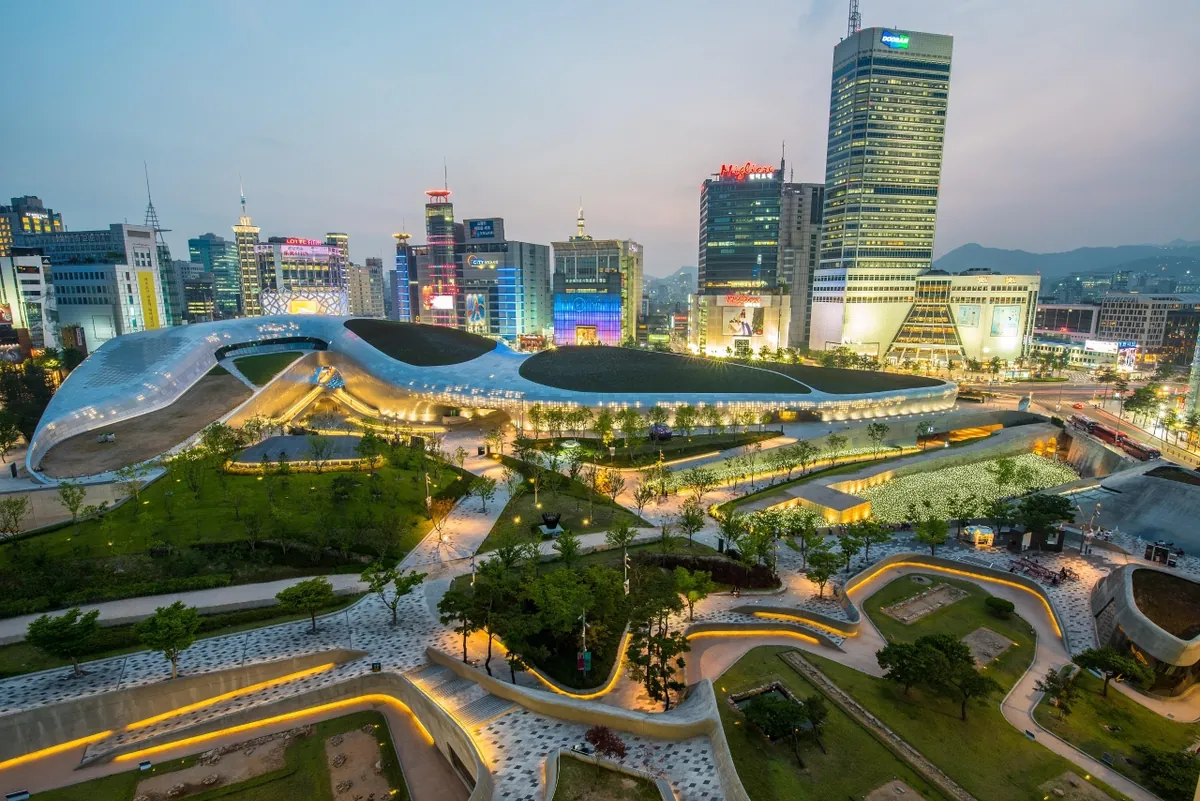
See Dongdaemun Design Plaza after dark
Dongdaemun Design Plaza, commonly called DDP, is a useful contrast to palace Seoul. Its exterior, plazas and event spaces can be enjoyed as an urban-design stop, while exhibitions and programs may require separate tickets. Seoul's official DDP page expressly says hours vary by exhibition and space, so there is no reliable building-wide closing time to copy into an itinerary. Check the live DDP schedule and the selected program's admission terms before visiting; surrounding shops also set their own hours.
Follow Cheonggyecheon Stream at an easy pace
Cheonggyecheon is a restored urban stream corridor that gives central Seoul a pedestrian-level break from traffic. Join near Cheonggye Plaza or another official access point and walk only the section that fits your route. The stream does not require a timed admission ticket, but access is not unconditional: Seoul warns that water levels can rise quickly in rain and restricts the lower paths when evacuation alarms or hazardous conditions occur. Follow broadcasts and staff directions, use the nearest exit, and never shelter below a bridge during rain.
Neighborhood energy, river views, and city scale
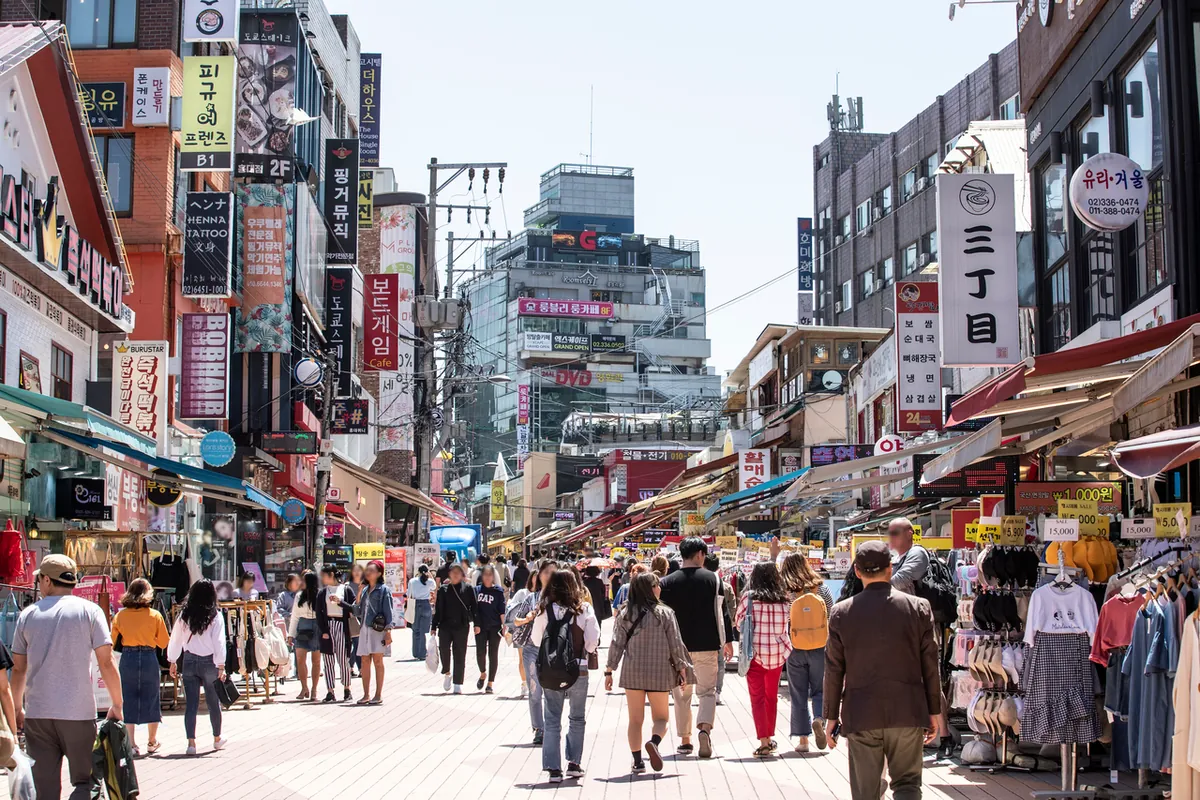
Spend an evening in Hongdae
Hongdae is shorthand for the university-area streets around Hongik University, where music, independent fashion, cafes, clubs, street performances and restaurants create an active evening district. It is not a single gated attraction and has no district-wide ticket or operating hours; verify any performance, club or restaurant with its operator. Visit Seoul lists Hongik University Station on Line 2, the Gyeongui–Jungang Line and Airport Railroad as the main rail access. It can be noisy on busy nights, so travelers who want quiet accommodation may prefer to visit rather than sleep in the busiest core.
Take in the Han River without overplanning it
The Han River is not one attraction: Seoul operates eleven Hangang Parks, so choose the park nearest your route. A walk or picnic needs little planning, while rentals, pools, cruises and events have their own hours, prices and weather rules. The official bicycle-rental page, for example, uses seasonal and location-specific schedules and warns that operating hours can change with temperature and weather. Use Seoul's current Hangang Park guide and the individual facility page rather than transferring Yeouido's rules to every park.
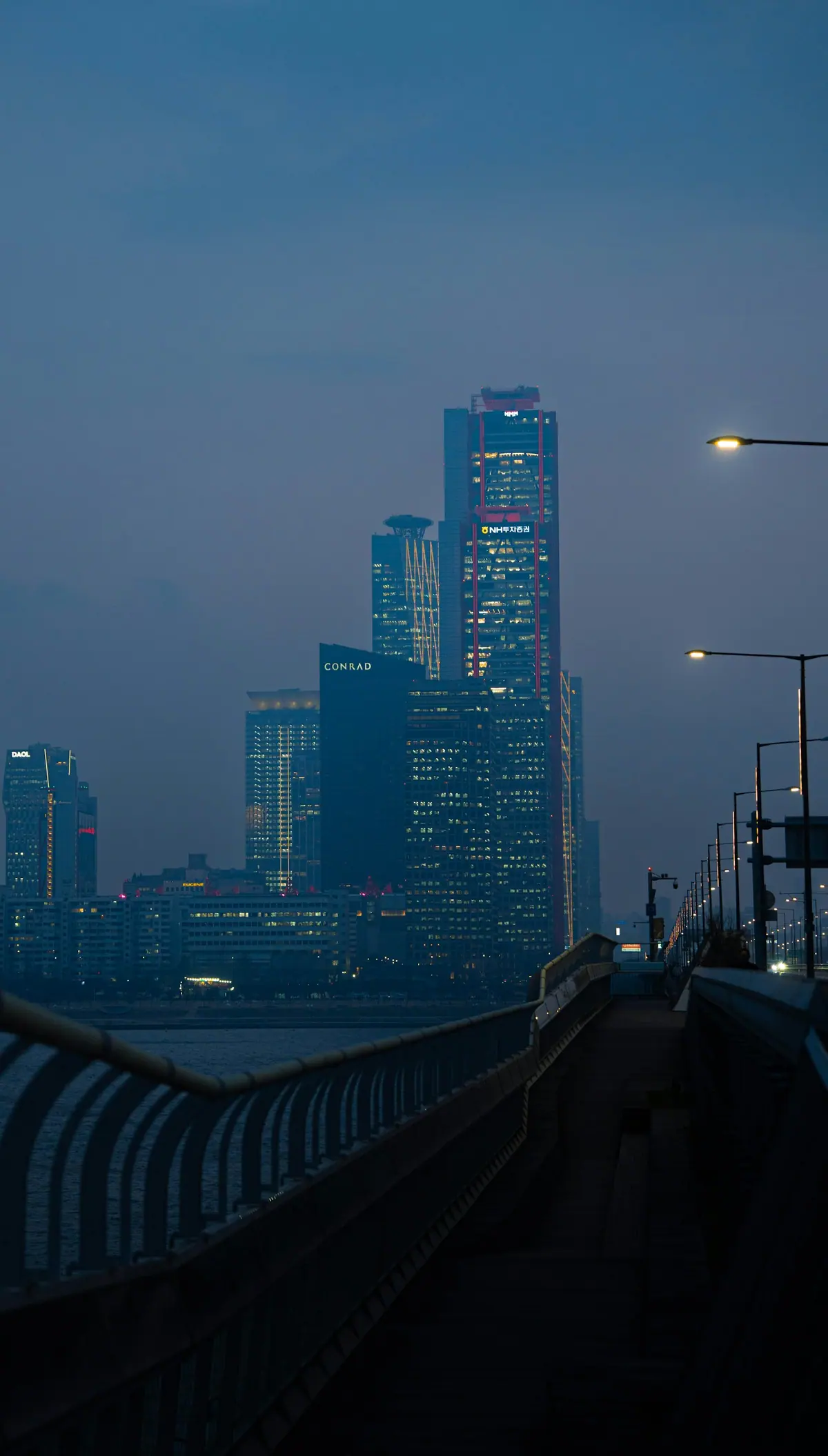
See the city from Namsan or another viewpoint
A viewpoint helps make Seoul’s scale intelligible. At N Seoul Tower, the mountain setting and lower public areas are distinct from the paid observatory. The operator currently lists observatory admission at KRW 29,000 for adults and KRW 23,000 for children and seniors. Its FAQ says no advance reservation is required for the standard observatory: buy a same-day ticket at the listed tower ticket points. The tower operates year-round but can suspend service for weather or Namsan access restrictions, so check the official hours and conditions on the day.
When a booked experience is actually worth it
Book when the official operator requires limited capacity or a fixed departure: special palace programs, workshops, concerts and some day trips can fit that category. Do not assume every observatory needs advance booking; N Seoul Tower says its standard observatory does not. For the DMZ, the Korea Tourism Organization says many sites beyond the Civilian Control Line are not open to individual visitors, Panmunjeom requires an approved agency, and visitors need valid identification or a passport. DMZ schedules and access can change for security reasons, so check the current official notice and operator terms immediately before travel.
Do not book a walking street, a market, a park, or every meal just because it appears on a list. Seoul is better when you can adjust for rain, jet lag, an unexpected cafe, or an exhibit you discover along the way. Use reservations to protect the experiences that would be disappointing to miss, and use flexible neighborhoods to fill the rest. That balance also leaves time for practical details such as collecting luggage, learning your transit route, or returning to your hotel before a late evening.
A simple way to turn the ten picks into a first trip
For a three-day first visit, group the historic picks together on one day: Gyeongbokgung, Bukchon, Insadong, and a nearby museum. Use a second day for Gwangjang Market, Cheonggyecheon, DDP, and either Myeongdong or Namsan. Reserve the third for the National Museum of Korea, the Han River, and Hongdae, or substitute a day trip if that better matches your interests. This pattern limits unnecessary transfers while showing how Seoul moves between royal history, daily commerce, public space, and modern culture.
Choose a hotel near the areas you will use most, not simply the attraction that looks closest on a map. Myeongdong and City Hall are convenient for many central plans; Jongno suits history-heavy itineraries; Hongdae is practical for airport-rail access and nightlife; Gangnam or Jamsil makes sense when your plans are south or east of the river. Read our best Seoul hotels by budget before comparing the live hotel options attached to this guide.
Frequently Asked Questions
What should I book before visiting Seoul?
Book only when the official operator requires a slot, such as a limited palace program, workshop, concert or controlled-access day trip. Standard Gyeongbokgung daytime admission can be bought under the palace's current rules, and N Seoul Tower says its standard observatory needs no advance reservation. Markets and neighborhoods stay flexible, subject to opening and access restrictions.
How many days do I need for Seoul’s main attractions?
Three full days gives a first-time visitor enough time for historic Seoul, central markets and viewpoints, plus one museum, river, or Hongdae evening. Add days if you want a slower pace or a trip outside the city.
Is Seoul easy to explore without a tour?
Yes for most city neighborhoods and the standard attractions in this list. Use the official route and operating information for each stop. Controlled areas are different: many DMZ sites cannot be visited independently, and the Korea Tourism Organization says Panmunjeom requires an approved tour agency and valid identification or a passport.
Last verified: August 2026 · TipsKorea Editorial


