
A Seoul food experience is most useful when it adds context or confidence you would not get by walking into a restaurant alone. Decide whether you want range, hands-on cooking, or a neighborhood story, then book the route and conditions rather than a catchy title.
Food tours & cooking classes in Seoul suit different goals: choose guided tasting for variety or a kitchen session for hands-on practice.
Seoul is easy to eat in without a plan, but a well-chosen food tour or cooking class can turn scattered meals into a clearer introduction to Korean ingredients, etiquette, neighborhoods, and everyday routines. The useful question is not simply which experience is called the best. It is whether you want a guide to help you order and taste, or a kitchen session that teaches you how the dishes are built. This 2026 guide helps you choose an experience that fits your appetite, schedule, and dietary needs. Use it alongside the first-time Seoul guide when planning your first meals.
A market tour works best when you want variety and local context with little preparation. A cooking class works best when you want to make a few dishes yourself and sit down for a longer meal. In either case, book only after you understand the exact meeting point, meal format, walking distance, language, cancellation terms, and allergy policy.
How do food tours & cooking classes in Seoul differ?
Choose a food tour for range and local context
A food tour is usually the better fit when you are curious about several foods but do not want to commit to cooking. A guide can explain market staples, help with ordering, point out regional or seasonal dishes, and keep the tasting pace moving. These experiences vary widely: one might focus on a traditional market, another on late-night barbecue and drinks, and another on cafes or a single neighborhood. Before booking, ask whether the tastings are a full meal, how much walking is involved, and whether you will have time to buy things for yourself.
Choose a cooking class for hands-on confidence
A cooking class is more deliberate. You usually spend longer in one place, learn a technique or two, and eat a meal that you helped prepare. It can be a satisfying choice for couples, families with older children, and travelers who want a break from sightseeing. Look beyond the finished-dish photos: check whether the class includes a market visit, whether everyone cooks or mostly watches, what the menu is, and whether the recipe will be useful at home. A small class can be valuable if you want questions answered, but a larger class can still work if the format is well organized.
Think about your energy and your itinerary
Schedule a food experience at the right point in your trip. A market walk is easy to place on your first full day because it orients you to Seoul and makes lunch simple. A cooking class is often better after you have settled in, when you can arrive on time and enjoy the meal without rushing to another reservation. Avoid putting a long food tour immediately after a late flight or before a distant day trip. Good travel food is more enjoyable when you are hungry, rested, and not watching the clock.
Five kinds of Seoul food experiences to look for
Traditional-market tasting walks
A traditional-market tour is a strong first choice when you want to understand how Korean snacks, banchan, noodles, pancakes, dumplings, and grilled dishes fit into ordinary eating. Gwangjang Market is a common focal point, but a good tour should explain what to order and how to eat politely rather than rush you through a photo list. Check the route's timing: a market can be busy and loud, so morning or off-peak starts may suit travelers who want more conversation. If you have a short trip, this format delivers a lot of food context in a compact block of time.
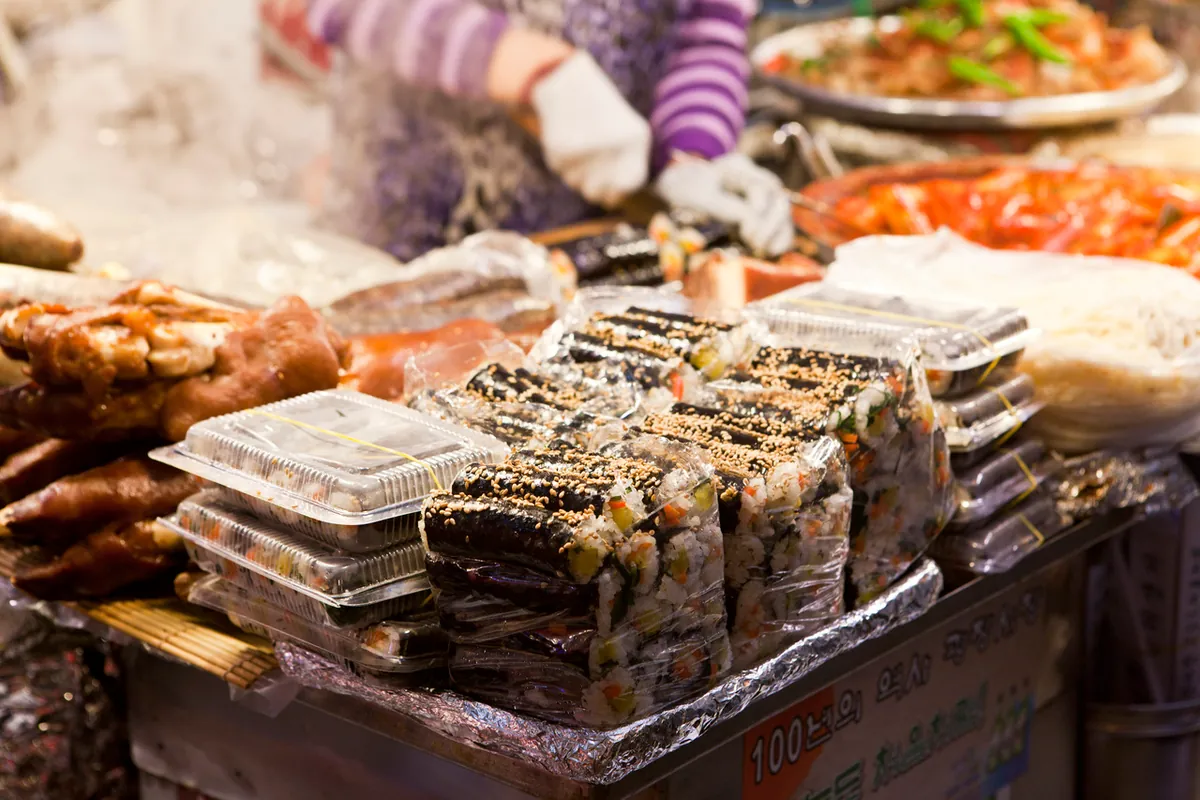
Korean barbecue and late-evening food routes
Barbecue-led tours can be a good option when you want help navigating shared dishes, grilling customs, and a lively evening neighborhood. They are less suitable if you do not eat pork or beef, prefer a quiet meal, or need an early night. Read whether drinks are optional, included, or expected, and whether the route includes several small tastings or one substantial meal. A responsible listing should make the food focus and alcohol policy clear. If it does not, contact the operator before booking instead of assuming the evening will match your comfort level.
Market-to-kitchen cooking classes
A market-to-kitchen class can add useful context because you see ingredients before preparing them. It is a good fit for travelers who enjoy a guided structure and do not mind a longer activity. Look at how much of the class is shopping, chopping, cooking, and eating. Some people want the market discussion; others would rather spend every minute learning techniques. The menu may change with ingredients or season, so ask whether there is a representative sample menu and whether the class can accommodate the foods you avoid.
Home-style Korean cooking sessions
Home-style classes focus on dishes you may be able to recreate: rice, soup, simple side dishes, pancakes, noodles, or a seasonal main. They can be less theatrical than a multi-stop food tour, but they often offer more practical learning. Check whether you receive written recipes, measurements, substitutions, or a way to ask questions about ingredients outside Korea. If you are travelling solo, find out whether the class has a minimum group size or whether an individual booking is confirmed separately. That detail matters more than a polished social-media photo.
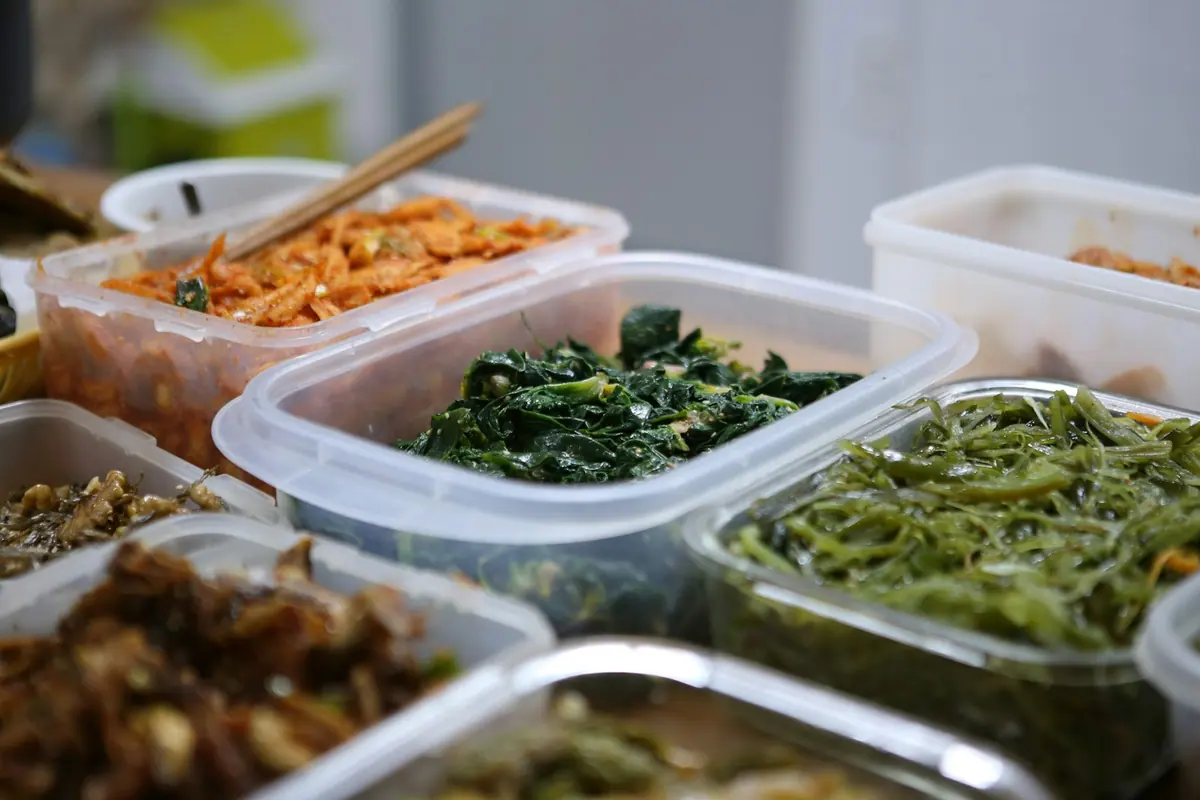
Cafe, dessert, tea, and neighborhood walks
Seoul's cafe culture can be a worthwhile food experience when you prefer design, sweets, coffee, tea, or a slower afternoon to a heavy meal. These tours tend to work well in neighborhoods such as Yeonnam, Seongsu, Ikseon-dong, or Mangwon, depending on the route. The best use of a guide here is context: why a district developed its food identity, what to order, and how to balance a few sweets with a real meal. Check whether tastings are included or whether you are expected to pay for purchases along the way.
How to evaluate a food tour or cooking-class listing
Read the exact route and pace
A title such as Seoul food tour can cover a single market, several restaurants, a night walk, or a market-to-kitchen lesson. Read the stop list, estimated duration, start time, distance on foot, and whether public transport is part of the experience. A route with six stops can feel generous to an adventurous eater but exhausting to a family or a person with limited mobility. Do not choose by the number of dishes alone. Choose the route whose rhythm matches the day you want to have.
Check what is included, and what is not
Food experiences use different definitions of included. A tasting tour may cover several small plates but not a complete meal, while a cooking class may include ingredients and lunch but not drinks. Look for clear language about gratuities, transport, market purchases, alcohol, recipe materials, and admission fees if a cultural stop is involved. The total amount you spend matters more than the base booking figure. If the listing does not clearly explain a likely extra cost, ask before you reserve.
Confirm language and group format
English-language support can range from a fluent food educator to a bilingual host managing a large mixed group. Both can be enjoyable, but they create different experiences. Check the advertised language, maximum group size, whether questions are welcome, and whether the guide joins you for each tasting. A shared group can be sociable; a private experience can be useful for families or specific dietary needs. What matters is that the format is described honestly and you know how much personal attention to expect.
Use reviews to find operational clues
Recent reviews are most useful when they mention the things a star rating cannot show: pace, portions, waiting time, clarity of explanations, dietary handling, meeting-point accuracy, and the way a guide dealt with rain or a closed stall. Look for recurring patterns, not a single perfect or negative story. Review dates matter in food travel because a route, market vendor, menu, or schedule can change. Treat guest comments as a prompt to verify details, not a replacement for the official booking information.
Where to look for food experiences in Seoul
Jongno, Gwangjang, and Insadong for traditional food context
Jongno is a practical base for market dishes, historic streets, teahouses, and a day that combines food with palaces or museums. Gwangjang offers a concentrated market atmosphere, while Insadong can suit travelers interested in tea, snacks, crafts, and a slower historic-center walk. The main tradeoff is crowds: a popular market can be exciting but not restful. Choose a tour with a sensible start time and make sure it leaves enough room for you to revisit a favorite stall independently if something catches your attention. It also pairs naturally with a lighter Seoul day-trip plan on another day.
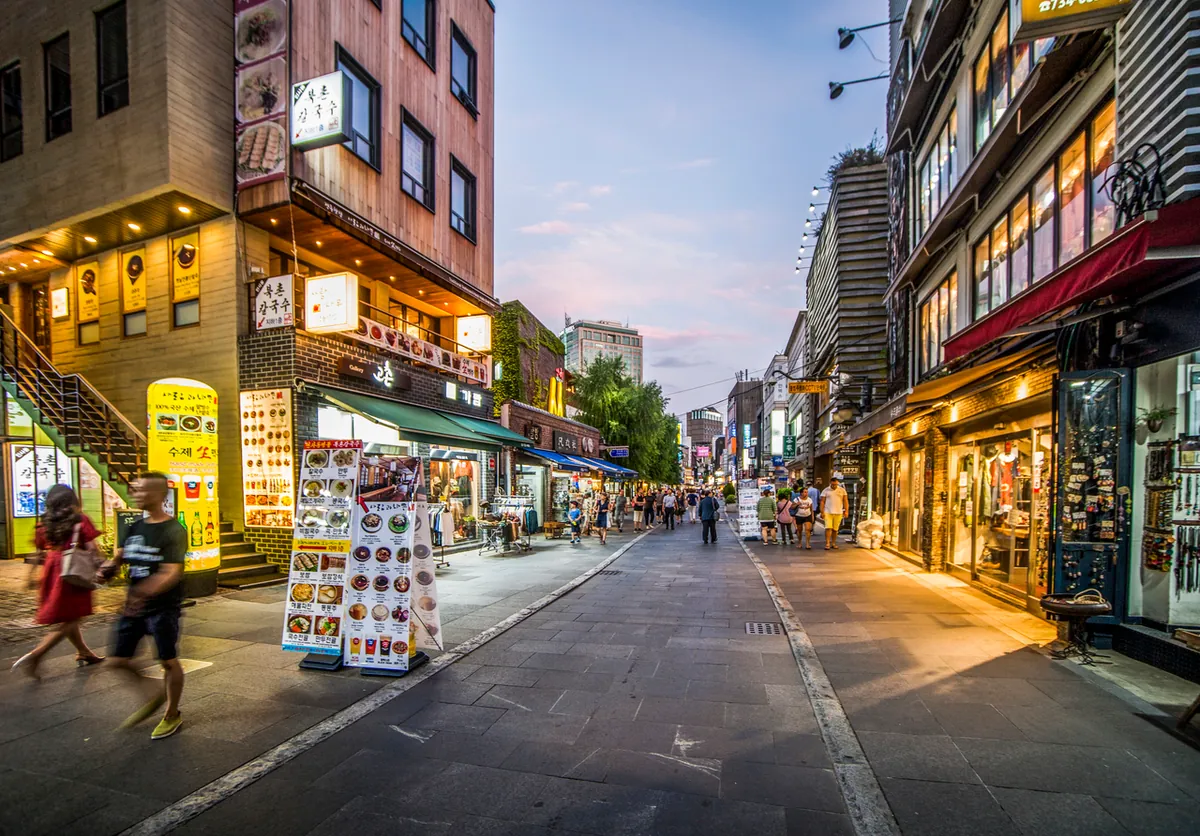
Hongdae, Yeonnam, and Mangwon for contemporary neighborhood eating
These west-Seoul neighborhoods work well for visitors interested in cafes, casual restaurant culture, street snacks, and the way younger local dining scenes evolve. They are good for an evening or afternoon experience after you have explored central Seoul. A neighborhood route here can be more about variety than heritage, so read the itinerary to see whether it emphasizes dessert, coffee, Korean comfort food, bars, or market browsing. If you stay in Hongdae, this can be an easy first-night option without a long ride home.
Myeongdong and Euljiro for central, accessible stops
Myeongdong is convenient for visitors who want a central street-food introduction near shopping and hotels, while Euljiro offers a different mix of older commercial lanes and new dining spots. Neither is one single food style, which makes the exact route especially important. A useful tour should explain why the stops were chosen rather than simply move you through the most photographed addresses. These areas can also fit a short first-time itinerary because they link easily with other central Seoul sights.
Dietary needs, allergies, and alcohol: plan before you pay
Vegetarian and vegan travelers need a specific conversation
Korean food includes many plant-based dishes, but broths, sauces, kimchi, side dishes, and shared grills can contain ingredients that do not meet vegetarian or vegan requirements. Do not rely on the word vegetable in a menu. Tell the operator what you avoid and ask what can actually be substituted, not merely whether they can accommodate you. A cooking class may be easier to adapt than a multi-stop tasting route because ingredients can be discussed in advance, but this depends on the class and should be confirmed in writing.
Allergies deserve advance notice and a backup plan
Shellfish, fish, sesame, soy, wheat, nuts, and cross-contact can arise in ways that are not obvious to an English-speaking visitor. Share serious allergies before booking and carry a translated note if you are eating independently before or after the activity. A guide can help communicate, but no tour description replaces your own medical judgment. If the operator cannot clearly explain how they handle the allergy, choose another experience. Food travel should be curious, not a test of risk tolerance.
Halal, pork-free, and alcohol-free requests must be explicit
Some Seoul food experiences center on pork, barbecue, seafood, or alcohol, while others can be designed around different preferences. State your requirements before payment, including whether shared grills or sauces are acceptable to you. Ask whether the planned venues have alternatives or whether the route should be avoided altogether. This is also useful for families and travelers who simply do not want a drinking-focused evening. Clear expectations make it easier for the operator to recommend a suitable format.
Book a food experience with a simple 10-minute checklist
Compare the same experience, not just the platform price
When comparing the affiliated Seoul activity options in this article, match listings by date, operator, route, menu, inclusions, group size, and cancellation policy. Two different platforms may list the same operator, but one may include an extra tasting or use a different meeting point. A cheaper listing is not automatically better if it cannot handle your arrival time, dietary needs, or preferred language. Save the exact product page and confirmation after booking so you can find the current instructions on the day.
Book popular time slots only when they fit your day
Evening tours and small cooking classes can be appealing because they feel like a highlight, but they should not force you to sprint across Seoul. Leave time for the subway, a wrong exit, and a short bathroom or coffee stop before the meeting time. If you are booked for a morning market class, do not schedule a long airport transfer immediately beforehand. Good pacing is part of the value you are paying for.
Arrive ready to participate
Wear comfortable shoes for market lanes, bring water in warm weather, and arrive with enough appetite to enjoy the portions offered. Keep your phone charged for the meeting-point message and have a working connection for last-minute updates; our Korea eSIM guide can help you set that up before the flight. If you are joining a cooking class, tie back long hair and mention any physical limitations that could affect standing, chopping, or handling hot equipment.
A good food experience fits your pace, dietary needs, and meeting-point logistics. Confirm the operator's current details before paying.
Frequently Asked Questions
Should I take a Seoul food tour or a cooking class?
Choose a food tour for variety, local context, and guided tasting. Choose a cooking class when you want hands-on instruction, a longer meal, and recipes or techniques you can take home.
Can food tours in Seoul accommodate vegetarian or vegan diets?
Some can, but Korean sauces, broths, kimchi, and shared grills need specific checking. Tell the operator your exact requirements before you pay and request written confirmation of what can be served.
What should I check before booking a Seoul cooking class?
Check the menu, hands-on format, language, group size, market component, allergies policy, meeting point, cancellation terms, and whether the class has a minimum number of participants.
Which Seoul area is best for a traditional market food tour?
Jongno and the Gwangjang area are practical choices for market-focused outings and pair easily with central historic sights. Choose the exact route based on the foods, walking pace, and start time you prefer.
Last verified: August 2026 · TipsKorea Editorial


