
A good family itinerary is measured by transitions, toilets, meals and recovery time as much as attractions. This plan keeps each day compact and gives every outdoor anchor an indoor substitute.
This Seoul with kids 3 day itinerary protects family energy while still showing the city's range.
Seoul is rewarding for families, but its scale hides inside station corridors, palace grounds and multi-level complexes. A route that looks like four simple pins may include several kilometers of walking. We recommend counting transitions, not attractions: hotel to subway, platform change, station to entrance, lunch queue, bathroom stop and the route home.
This itinerary works best for preschool-age children through preteens, with parents adjusting museum depth and outdoor distance. Toddlers may need a stroller and an earlier finish; older children may prefer a longer theme-park or science block. If you have not chosen a base, where to stay in Seoul explains why a direct line and nearby food matter more than a famous view.
How do you plan Seoul around children rather than checklists?
Begin with two questions: what reliably interests your child, and what reliably restores them? An animal area, vehicle museum, playground or interactive exhibition can be the anchor. A quiet café, hotel break, open lawn or familiar meal can be the reset. Put one of each in every day.
The one-anchor rule
Reserve at most one capacity-limited experience per day. Official family routes sometimes include many stops because they present possibilities, not a promise that every family should complete them. A timed aviation experience, aquarium ticket, performance or theme park can anchor the day. Leave the surrounding walk flexible.
Check the venue's official notice the evening before you go. Programs, animal viewing, fountains, seasonal water play, outdoor rides and hands-on sessions can change with weather, maintenance or reservation policy. We avoid building the route around a quoted price or show time that may no longer apply on your date.
Carry wipes, a small snack, a refillable bottle, a compact weather layer and any essential medication. Seoul has convenience stores in most commercial neighborhoods, so there is no need to carry a full-day pantry. Keep hands free for station stairs and crowded crossings. Write the hotel's Korean name and phone number somewhere that does not depend on a battery.
Day 1 — Can palaces work with younger children?
Yes, if the palace is treated as a spacious story setting rather than a complete architecture lesson. Start around Gwanghwamun and enter Gyeongbokgung early, after checking the current operating day. Choose two or three things to notice—roof animals, painted beams, broad courtyards, mountain views—and let the child lead the observation.
Stone and packed-earth surfaces can be tiring for small wheels, and the grounds are larger than the entrance view suggests. Use the main axis, take seated breaks and leave before everyone is depleted. A hanbok rental can be memorable for an interested child, but changing clothes and managing accessories adds time; it should not be mandatory for the family photo.
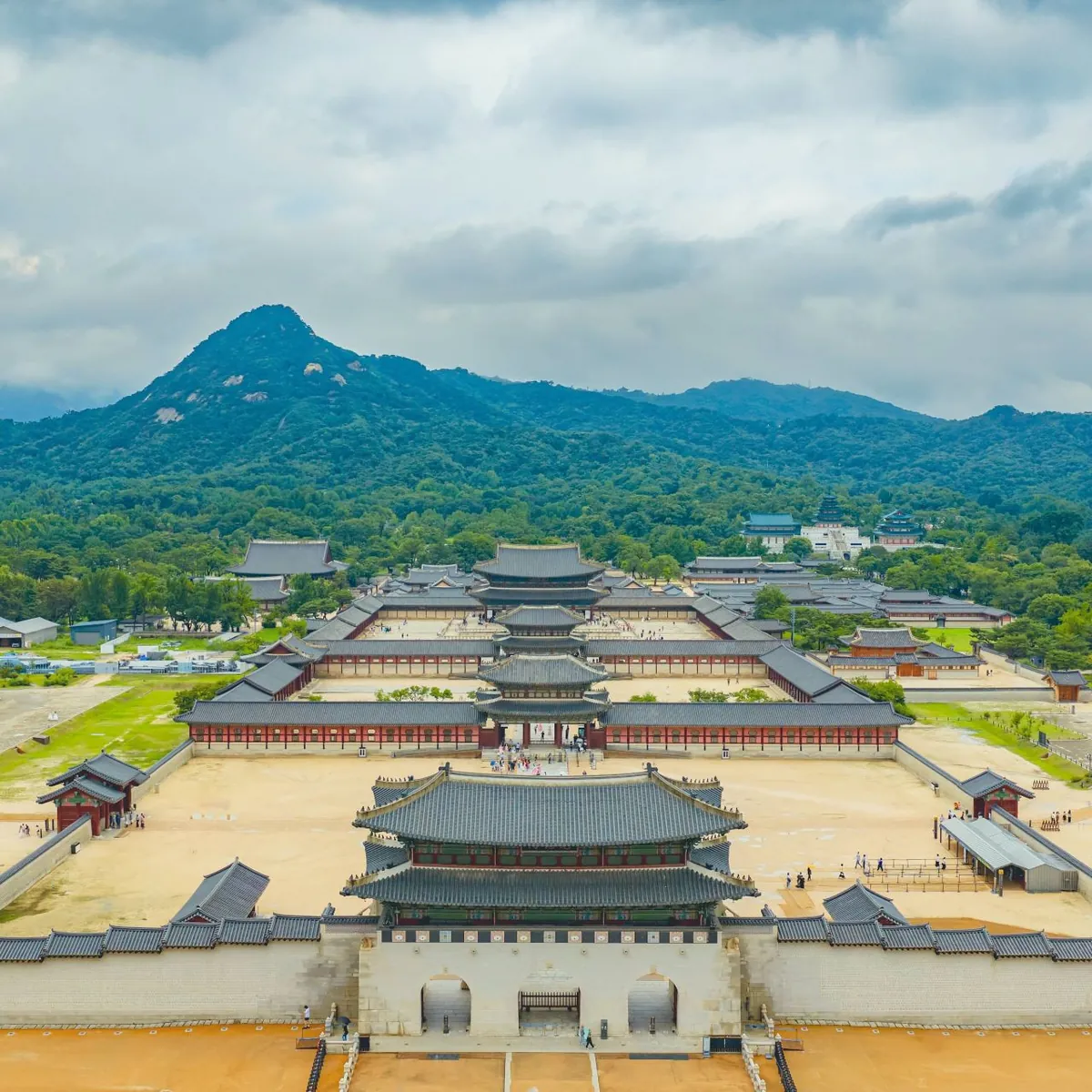
For lunch, move toward Seochon or Insadong and choose a place with a visible menu and a short wait. Dumplings, noodles, rice dishes and mild soups often make easier shared meals than a complicated grill setup. Ask about ingredients when allergies matter; do not assume a dish is vegetarian because no meat is visible.
The afternoon choice depends on weather. A nearby national museum or children's museum keeps the historical theme without another cross-city journey. If everyone still has energy, walk a short section of Cheonggyecheon or browse Insadong. Return to the hotel before dinner if a reset will produce a better evening. The practical arrival guidance in first time in Seoul is especially useful when adults are also managing jet lag.
Day 2 — Why make Children's Grand Park the family anchor?
Seoul Children's Grand Park is useful because it is not one single ride or exhibition. The Seoul Facilities Corporation describes a zoo, botanic garden, playgrounds, amusement facilities and experience spaces within the larger park. That variety lets parents shorten or extend the visit without changing districts.
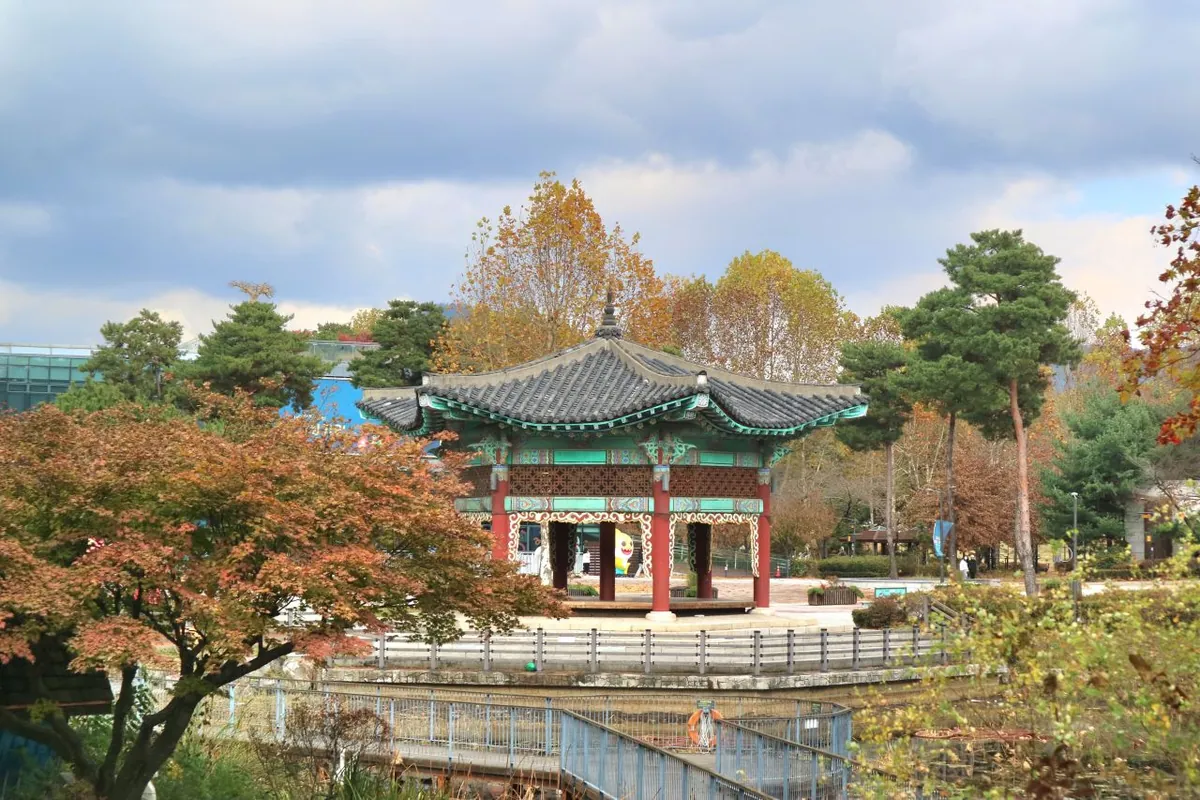
Enter with a simple plan: one animal or garden loop, one active-play break and one meal. Do not promise a particular viewing experience before checking current park notices, because animal areas and seasonal facilities can respond to weather and welfare needs. The official guide also publishes park rules, access points and facility information.
A stroller is useful for younger children because the grounds are extensive, but it should fold easily for transit. The park operator lists broad paths and multiple facilities, and Visit Seoul's universal-tourism route notes gentle ramps and accessible pathways. Conditions still vary by gate and destination, so identify the nearest entrance to the feature you care about rather than automatically using the first route shown by a map app.
If the weather is poor, use a children's museum, science venue or large indoor attraction instead. Reservations and age rules differ by program, so confirm them directly. A museum is not a lesser backup: children often engage more deeply with one interactive space than with a long procession of outdoor landmarks.
Finish near the park, Konkuk University or your hotel. Adding a southern Seoul attraction after a full park day creates exactly the transfer burden this itinerary is designed to avoid. If adults want a more ambitious dinner, choose it close to the accommodation and let one caregiver return early if necessary.
Day 3 — Which big Seoul attraction fits your family?
Choose one of three day shapes. A theme-park family can devote most of the day to Jamsil. A science-and-transport family can choose an aviation, robot or science museum, checking program reservations. A marine-life and indoor-complex family can choose an aquarium and combine it with lunch and shopping under one roof. Do not attempt all three.
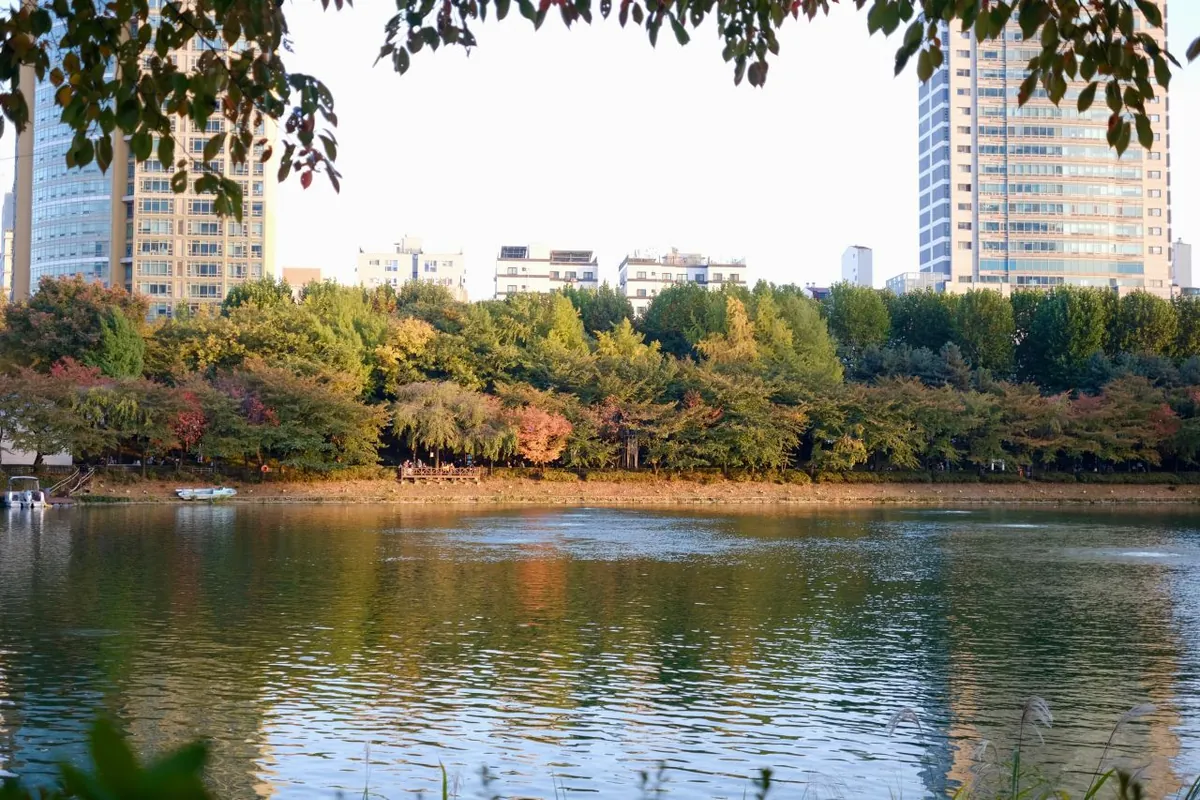
For Jamsil, treat the theme park or observation attraction as the anchor and Seokchon Lake as an optional decompression walk. Confirm current admission categories, operating notices and height restrictions on the venue site. Parents should decide in advance what happens if siblings qualify for different rides so the family is not negotiating at every queue.
For a museum day, read the experience rules rather than only the general opening page. The official family course notes that some education programs, docent tours and hands-on halls require separate reservations or on-site arrangements. Arrive with one priority program and accept that walk-up availability may shape the rest.
For an indoor-complex day, build in movement. A long aquarium visit followed by a long meal and shopping can still exhaust children because it offers little unstructured play. Find a nearby outdoor loop if weather allows, or return to the hotel before a final neighborhood dinner.
What is the easiest way to use Seoul transit with kids?
Subway is usually the most predictable choice, but the shortest rail journey is not always the easiest family journey. A transfer can involve elevators at opposite ends of a platform, long corridors or a stroller fold. Compare the total walking route and consider a bus or taxi for the final leg when the family is tired.
Each fare-paying traveler needs the appropriate ticket or card, and transfer benefits depend on correct tapping. Current categories and rules should be checked on Seoul's official transport pages. The comparison in Korea transport cards and passes helps separate ordinary stored-value use from visitor and unlimited products without assuming that one card suits every family.
Let children stand away from platform edges and wait for passengers to exit first.
Use elevators when needed, but allow extra time to locate them.
Avoid the most crowded commuter periods when your schedule is flexible.
Keep one adult responsible for the route and one for the children during transfers.
Photograph or note your exit number before leaving the station concourse.
How should families handle meals, naps and sensory overload?
Eat before the group becomes urgently hungry. Popular market aisles and restaurant queues are harder to navigate with a tired child, so use off-peak meal times when possible. Markets are excellent for sampling, but seating, heat, noise and allergen communication vary by stall. One adult can scout while the rest of the family waits in a calmer spot.
Hotel naps make sense when the accommodation is near the day's route. Otherwise, a stroller rest, quiet park bench, library, café or low-stimulation museum corner may be more efficient than a two-hour round trip. Older children can choose the afternoon anchor from two parent-approved options; that small ownership often improves the day.
Crowded districts such as Myeongdong, Hongdae and Ikseon-dong can feel intense after dark. Visit earlier or choose a wider riverside path for the evening. Ear protection, a familiar snack and permission to leave are practical tools, not signs that the day failed.
Rain, heat and winter swaps
For rain, preserve the district and replace only the exposed block. Day one can become palace museum plus Insadong; day two can become a children's museum; day three is already built around one large indoor anchor. Carry dry socks for children who will find every puddle.
In summer, begin early, use shaded parks, schedule the longest indoor stay after lunch and verify whether water-play areas are operating. In winter, keep outdoor segments shorter and bring layers that can be removed inside overheated buildings. Air quality can also affect a park day, so check the city's current information rather than relying on yesterday's screenshot.
The broader Korea travel essentials guide covers connectivity and packing. Families should also keep insurance details and necessary prescriptions accessible, know the local emergency number, and ask hotel staff or an official tourist information center for help when plans change.
A parent-ready packing and booking checklist
One timed booking per day, with the confirmation saved offline.
A foldable stroller only if your child will genuinely use it.
Small snack, water, wipes, weather layer and essential medicine.
Korean hotel name, phone number and return route.
One indoor alternative in the same area as each outdoor anchor.
An agreed family rule for splitting up at age- or height-restricted activities.
Frequently asked questions
Is Seoul stroller friendly?
Many major attractions and subway stations have accessible routes, but the route may be indirect and older streets can be uneven. A light folding stroller is easier than a large travel system. Check the exact entrance and elevator path for the day's anchor.
Should families stay in Myeongdong or Hongdae?
Myeongdong is central for the palace day and offers abundant food and shopping. Hongdae has convenient airport rail access and a lively western-Seoul setting. Families sensitive to evening noise should inspect the specific block, not only the neighborhood name.
Is Children's Grand Park enough for a full day?
It can be, because the park contains multiple activity types and large grounds. Many families will enjoy a half day more. Check current facility notices and choose a short loop before adding optional areas.
What is the best rainy-day activity for children in Seoul?
The best option matches your child's interests and stays near the planned district. Children's, science, transport and interactive museums are strong choices, while a major aquarium or indoor theme park can anchor a full day. Confirm reservations directly.
Last verified: August 30, 2026 by the TipsKorea editorial team. Family programs, park facilities, admissions and operating conditions can change; check each official venue before leaving.
Frequently Asked Questions
Is Seoul stroller friendly for tourists?
Many major sites and stations have accessible routes, but elevators can be indirect and heritage streets uneven. A light folding stroller is usually the most manageable option.
How many attractions should a family plan each day?
Plan one major morning anchor and one optional afternoon block. That leaves room for meals, bathrooms, naps, weather and the longer walking distances hidden inside stations.
Is Seoul Children's Grand Park a full-day attraction?
It can fill a day, but a focused half day often works better. Review current facility notices, pick one or two zones and leave before the group is exhausted.
What should families do in Seoul when it rains?
Keep the same district and replace the outdoor block with a nearby children's museum, science venue, aquarium or covered complex. Check reservation rules before traveling.
Last verified: August 2026 · TipsKorea Editorial


