
A calm first day in Korea comes from a few small preparations rather than a suitcase full of gadgets. Put the items that protect arrival, connectivity, power, and payments ahead of anything that can wait until you are in the city.
Korea travel essentials begin with entry documents, mobile data, payment backup and an airport route; pack a compatible adapter too.
A Korea packing list is most useful when it solves the small problems that tend to appear in the first 24 hours: an arrival form you did not expect, a phone that cannot get online, a hotel address you cannot show a driver, or a transit card that has no usable balance. The good news is that South Korea is easy to navigate once the basics are in place. This 2026 checklist focuses on the few things worth confirming or buying before you fly, rather than filling a suitcase with items you can buy later.
Treat it as a decision list, not a shopping list. Your passport and entry status matter more than a novelty travel gadget. Working mobile data matters more than trying to install every local app. A simple plan for payment, power, and the journey out of the airport removes the most common sources of arrival-day stress. Requirements and services can change, so make official sources your final check before travel.
Korea travel essentials: which documents should you prepare?
Check entry status through official channels
Start with the document that decides the trip: your passport. Confirm its validity and make sure its name matches every flight and accommodation booking. Then check Korea's current visa, K-ETA, arrival-card, quarantine, and declaration requirements through the official government sources for your passport and reason for travel. Eligibility can differ by nationality and can be extended, suspended, or amended without much warning. A blog, social post, or old airline forum is useful for questions to ask, but it is not an authority for permission to enter a country.
Keep a compact digital arrival folder on your phone and a backup copy in an email or cloud drive. Include your passport image, accommodation confirmation, departure ticket, travel insurance details, emergency contact, and hotel address in both English and Korean when available. Do not depend entirely on a device that may have no data, a flat battery, or a lost-password problem after landing. Paper copies are optional, but one written hotel address and booking reference can be extremely helpful at an airport desk or taxi stand.
Pack around customs and health rules, not assumptions
Prescription medicine, food, plants, alcohol, tobacco, cash, and professional equipment can have separate declaration or import rules. Carry medicine in its original packaging and keep a prescription or clinician's letter when it is relevant to the product or amount. Check the Korea Customs Service guidance before packing anything that could be restricted, especially if it contains controlled ingredients or looks unusual at security. The right answer is specific to the item and current rule; do not rely on a generic packing checklist to decide what can cross a border.
Buy connectivity before the plane doors open
An eSIM is the lightest first-day upgrade
For many travelers, an eSIM is the most useful item to arrange before departure. It can give your phone data as soon as it connects to a Korean network, which means you can open a map, receive a hotel message, check rail platforms, or use translation before finding a counter. First confirm that your phone is carrier-unlocked and supports eSIM. Then install the plan while you still have stable Wi-Fi, read the activation instructions, and save the QR code or confirmation somewhere secure. Many visitor plans are data-only, so keep your normal line available if you need bank or two-factor authentication messages.
A physical SIM remains a good fallback for devices without eSIM support, while a pocket Wi-Fi device can be useful when several people will share data. Those options may involve an airport counter, a pickup point, or a device that must be charged and returned. Choose the setup that matches your phone and group, not the one with the loudest promise. Our Korea SIM vs eSIM guide walks through that choice in more detail.
Install only the apps you will actually use
A small app stack is enough: one map app with Korean public-transport information, one translation app, your airline app, your hotel or booking app, and a payment or banking app you already trust. Save your key destinations before leaving home, including the airport terminal, hotel, and a few first-day places. Korean mapping data, walking entrances, and local search results can be different from what an international app shows, so test a route to your hotel before boarding. If an app requires a local phone number for optional features, do not make the whole trip depend on it.
Set up money and transport as separate problems
Bring layered payment options
Korea is highly card-friendly, but a robust travel setup still uses layers. Bring at least one physical payment card, know how to freeze it from your banking app, and tell your bank about international travel if it requires notice. Carry a small reserve of Korean won or have a clear plan to obtain it, because some top-ups, small merchants, or rural situations may not handle every overseas payment method the same way. Do not carry more cash than you can safely manage just because a travel forum recommends it; your own card, ATM, and conversion fees are part of the calculation.
Keep your transport budget separate in your head even if you use a combined visitor card. Airport rail, express services, buses, and local taxis can have different ticketing or payment rules. A hotel deposit, shopping purchase, or card authorization should not leave you unable to tap through a subway gate. Set a modest first-day transit balance and revisit it after you understand your routes.
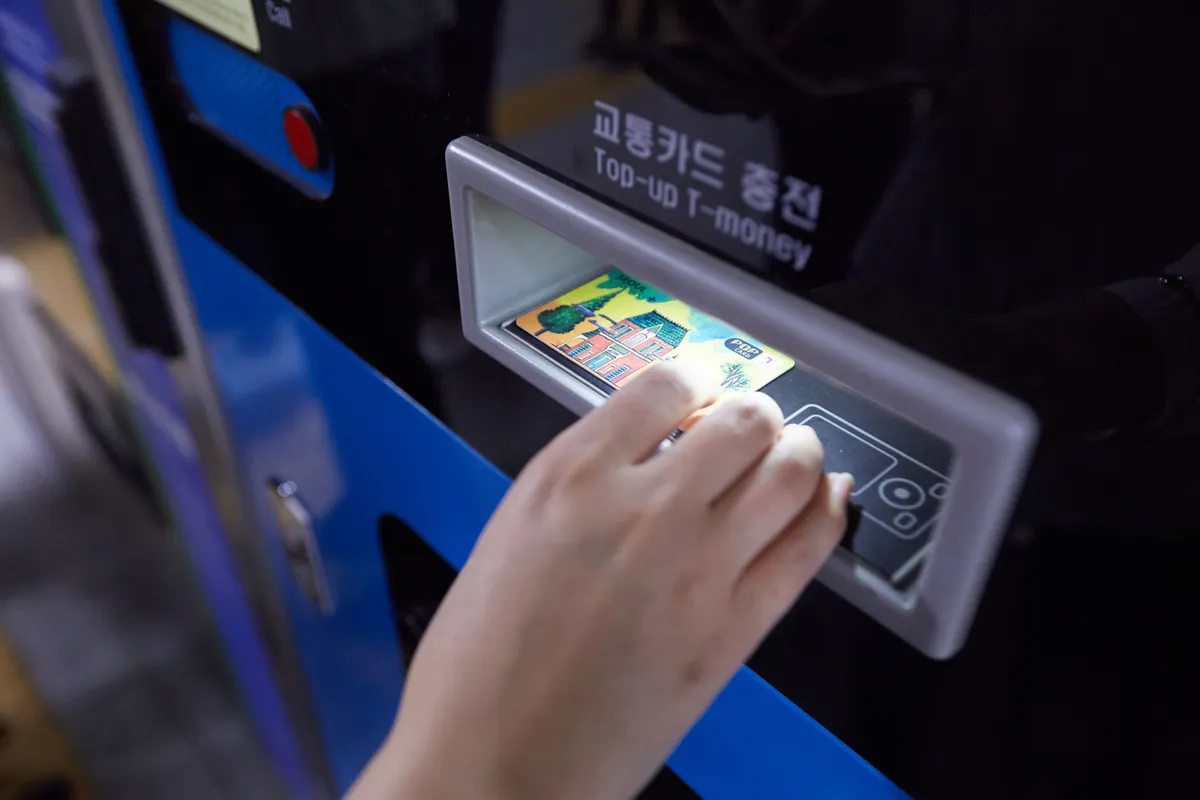
Know your first transport card decision
For normal local trips, a stored-value card such as T-money is a flexible starting point. Visitors who will take frequent eligible subway and bus rides in Seoul may also compare the short-term Climate Card. Neither choice should be made from a vague idea that all Korean transport is interchangeable. Check whether the card covers your actual journey and whether the service you are boarding needs a separate ticket. Our Korea transport cards and passes guide explains the trade-offs before you buy.
Pack the power and clothing basics Korea actually uses
Bring the right adapter, and check voltage too
Korea uses 220V electricity at 60Hz and the common wall outlets have two round holes. A Type C or Type F travel adapter is typically the practical choice for travelers whose plugs differ. An adapter only changes plug shape; it does not convert voltage. Check every charger, hair tool, medical device, or camera battery for its supported voltage range before packing. Most modern phone and laptop chargers are designed for a broad range, but that label—not a guess—is what matters. Buy a compact adapter before departure if it is essential, and consider a small power bank for long arrival days.
Build a weather-ready day bag
Korea rewards comfortable walking gear. Subway transfers, market streets, palace grounds, coastal paths, and neighborhoods such as Hongdae or Ikseon-dong can add up to more steps than the itinerary suggests. Pack shoes you can walk in for several hours, a reusable water bottle if you use one, and a light layer that can go on or off indoors. Summer can be hot and humid with rain periods; winter can be cold and dry; spring and autumn can shift quickly between warm midday and cooler evenings. Check the forecast just before departure rather than packing by month alone.
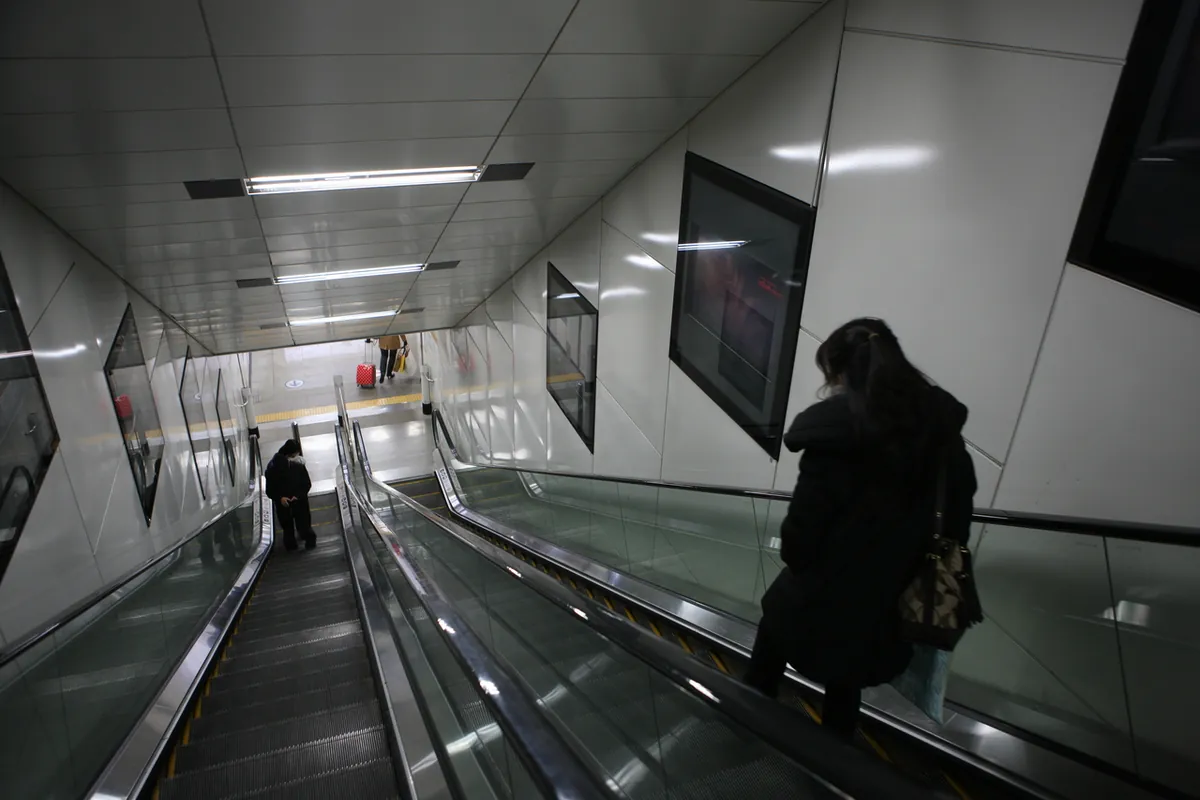
Plan the first 24 hours, not the entire holiday
Know how you will leave Incheon Airport
Write down your preferred airport-to-hotel route and one backup. AREX rail can be efficient for destinations connected to Seoul Station or intermediate stops; an airport limousine bus can be better when it stops near your hotel; an official taxi can make sense for late arrivals, large luggage, or a group. Terminal, operating hours, traffic, and luggage all affect the right answer. Use official airport information and live service details on the day rather than committing to a route from an old screenshot.
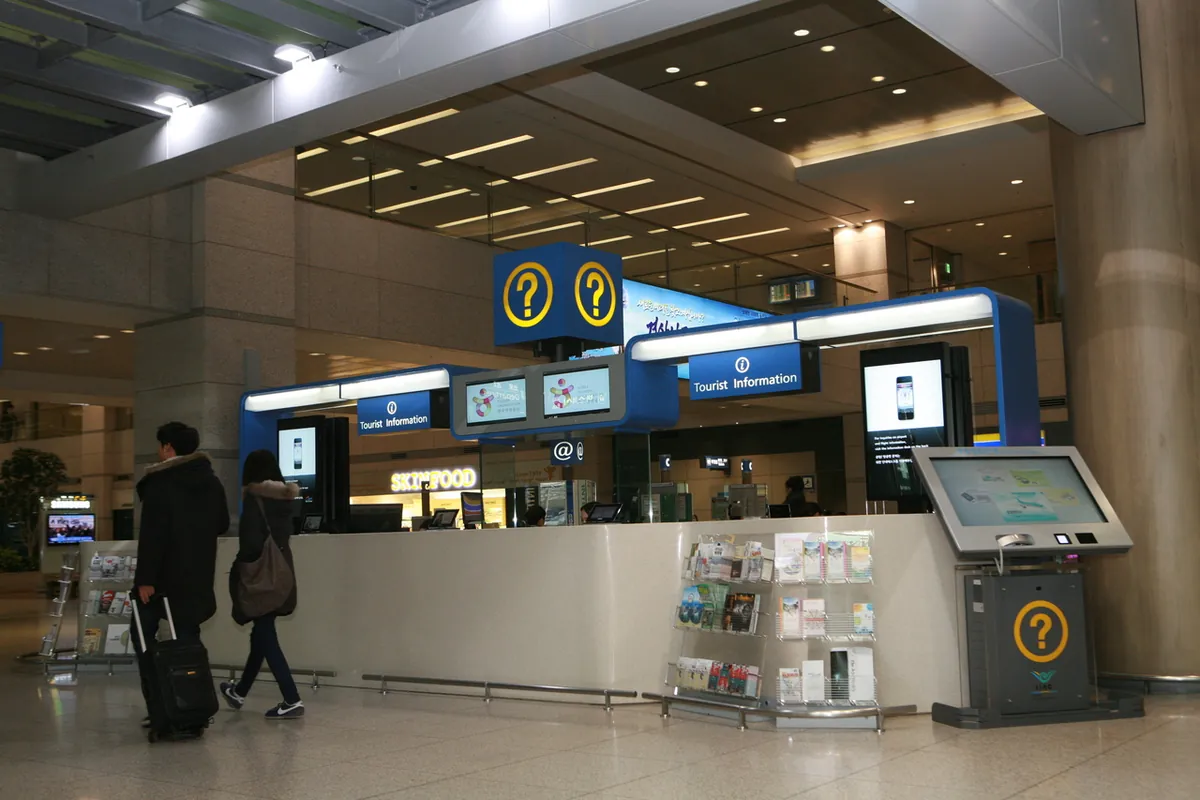
If you are arriving at Incheon, save our Incheon Airport to Seoul comparison and make the choice once you know your actual terminal, arrival time, weather, and hotel neighborhood. That is more useful than buying every travel accessory in advance.
Make your first evening deliberately easy
Book the first night somewhere you can find, eat a simple meal, hydrate, and sleep. Avoid scheduling a non-refundable show or a distant restaurant immediately after an international arrival unless your schedule has a generous buffer. Use the first evening to confirm your data connection, test your transport card, withdraw or exchange only what you need, and save the route back to your hotel. These small checks turn the second day into sightseeing rather than troubleshooting.
Sources and last verified
Last verified on August 10, 2026. Official source names and URLs are stored in this article's metadata. Recheck entry, customs, telecom, power, and airport requirements before departure because they may change after publication.
Frequently Asked Questions
What should I buy before traveling to Korea?
Prioritize an appropriate travel adapter and a mobile-data option if your phone supports it. The most important preparation is not a product: confirm entry requirements, save your hotel details, and plan the trip from the airport before you fly.
Do I need cash in South Korea?
Cards are widely used, but a modest Korean-won backup is still practical for transport top-ups, smaller purchases, or situations where an overseas card is not accepted as expected. Bring layered payment options rather than relying entirely on cash or a single card.
What plug adapter do I need for Korea?
Korea generally uses 220V outlets with two round holes, so travelers often need a Type C or Type F plug adapter. Check each device's voltage label as well, because an adapter does not convert electricity.
Should I arrange a Korea eSIM before I fly?
If your phone is unlocked and eSIM-compatible, arranging one before departure can make navigation, translation, and airport transfers easier. Review the plan's activation timing, data allowance, and whether it includes a local phone number before purchase.
Last verified: August 2026 · TipsKorea Editorial


