
Finding a restaurant is easy; understanding what its label actually promises is the important part. We turn Korea Tourism Organization's four official categories into a practical verification routine for Muslim travelers.
What the KTO categories mean
| Option | Food claim | Alcohol | Traveler action |
|---|---|---|---|
| Halal Certified | Accredited halal certification | Check the venue policy | Inspect current certificate and branch name |
| Self-certified | All food declared halal by Muslim owner | Check directly | Confirm current owner notice and kitchen practice |
| Muslim Friendly | Some halal dishes | May be sold | Identify the exact dish and ask about shared equipment |
| Pork free | No halal menu; no pork used | May be sold | Do not interpret this as halal certification |
KTO specifically warns that some hotel restaurants or buffets in the Muslim Friendly category may also serve pork-containing dishes.
This halal food in Seoul guide helps you verify a meal instead of trusting a label that may mean less than you expect.
What do Seoul's Muslim-friendly labels actually mean?
Korea Tourism Organization publishes a Muslim-friendly restaurant directory with four classifications. Halal Certified is the strongest published category: KTO describes it as a restaurant with halal certification from an accredited body such as the Korea Muslim Federation. Self-certified means all food is halal and the Muslim restaurant owner has provided the certification. These labels are related, but they are not identical. A traveler who needs third-party certification should not substitute an owner declaration without making that choice consciously.
Muslim Friendly is a partial provision category. KTO says these restaurants offer some halal dishes and may sell alcohol. Pork free is narrower still: the restaurant does not use pork, but it does not offer a halal menu, and alcohol may be sold. Pork free therefore answers only one ingredient question. It does not establish the source of meat, the ingredients in broth or seasoning, the use of alcohol in cooking, or separation of cookware.
KTO adds an important caveat for hotel restaurants and buffets categorized as Muslim Friendly: pork-containing dishes may also be served. A buffet sign cannot replace checking the individual station, utensils and cross-contact arrangements. Use the official category as the start of your conversation, not the end. If your practice has stricter requirements, follow those requirements even when a tourism directory uses a reassuring icon.
How should you verify a restaurant before visiting?
Run a four-step branch check
First, open KTO's current directory or downloadable guide and note the exact category. Second, match the branch name and address; chains can have different suppliers, kitchens and certificates. Third, contact the restaurant close to your visit and ask whether the same category, menu and certificate remain current. Fourth, inspect the certificate or notice on arrival and confirm that it covers the venue rather than only one packaged ingredient. A dated social post or an old travel list is not current evidence.
Ask questions that can be answered precisely: Is the meat halal certified, and by whom? Does this dish contain pork, lard, gelatin, mirin, cooking wine or alcohol-based sauce? Are the fryer, grill, knives and broth shared with non-halal items? Is alcohol served or used in the kitchen? The right answer depends on your own standard. The purpose of asking is not to force every restaurant into one definition, but to understand what you are being offered.
Save two options in the same area. Restaurants close, sell out or change break times, and the safest backup is a verified venue nearby rather than a desperate cross-city journey. Mobile data makes the check easier; compare setup choices in our Korea eSIM guide. Keep the KTO category screen, the restaurant's Korean name and your dietary questions available offline as well.
Where should Muslim travelers start in Seoul?
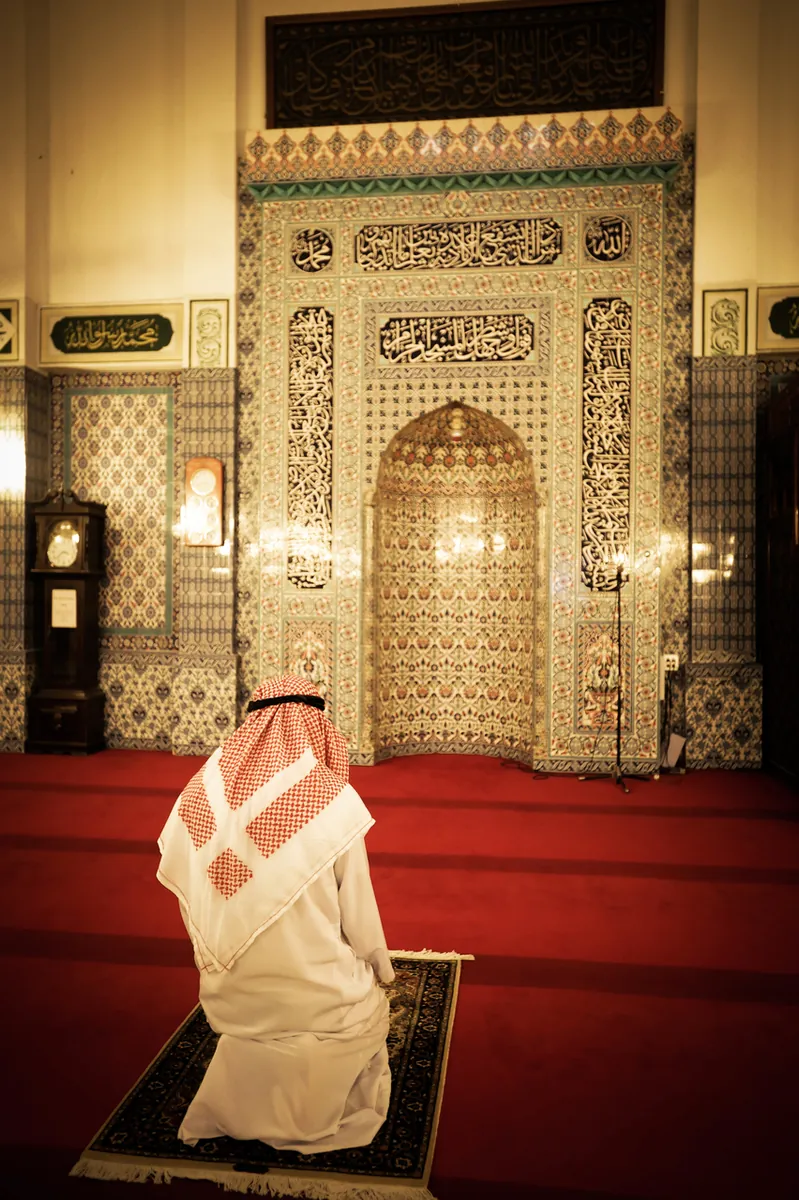
Itaewon is the most practical first orientation area because Seoul Central Mosque and a concentration of international restaurants sit in the same wider district. That concentration improves choice; it does not make every nearby business halal. Verify the specific venue. The neighborhood is also hilly, so check the walking route if anyone in your group has luggage or limited mobility. Our where to stay in Seoul guide explains the transport trade-offs between Itaewon and more central rail hubs.
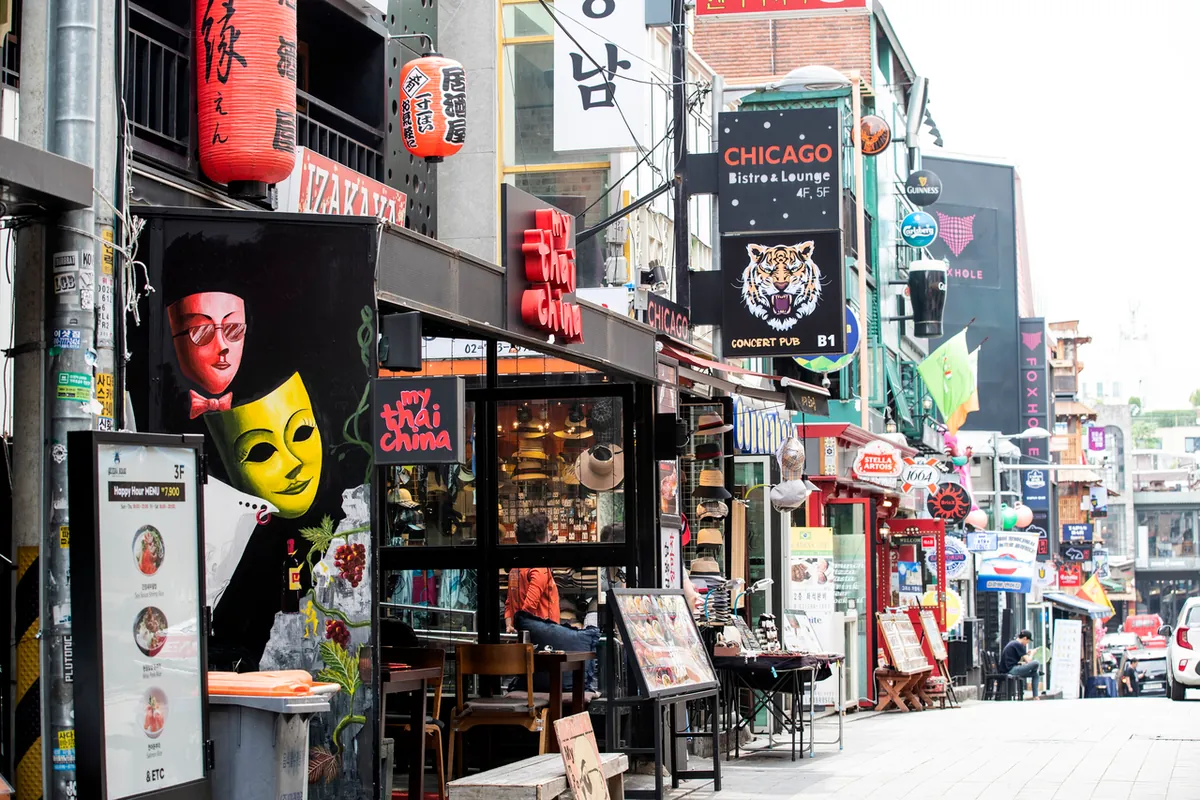
Elsewhere in Seoul, search by official category and district rather than assuming Korean cuisine is unavailable. KTO's list includes Korean and international choices, but status changes are possible. Plan meals near the day's sights, then keep one packaged-food or vegetarian fallback whose ingredient label you can read. Convenience stores are useful for simple supplies, yet imported or meat-flavored products still require an ingredient check.
For a first trip, group the day geographically. A central-palace day, a Hongdae day and an Itaewon evening are easier than crossing Seoul for every meal. Our first-time Seoul guide provides a low-friction city framework. Add prayer time, travel time and a verification buffer before reserving a tightly timed attraction after dinner.
Can Korean dishes be assumed halal if they look vegetarian?
No. A vegetable pancake may share oil or a grill with meat. Kimchi, sauces and soups may contain fish-based ingredients, meat stock, fermented seasoning or alcohol. Bibimbap can arrive with meat or an egg and may be prepared on shared equipment. Tteokbokki sauce and broth can include ingredients that are not obvious from the finished dish. Visual inspection cannot establish the kitchen process.
At a restaurant already categorized by KTO, identify the named halal dish rather than ordering a different menu item by analogy. At a Pork free venue, ask about meat source and cooking alcohol if those matter to you. At a buffet, request guidance from staff and use clean utensils, but recognize that the venue may not be able to promise separation. Travelers with allergies should communicate those separately; halal status does not answer an allergy question.
What should your Seoul food backup plan include?
Carry a short translated card that states your non-negotiable restrictions without making staff interpret a theological term. List pork, lard, non-halal meat, alcohol in cooking and shared equipment as separate questions when relevant. A card reduces misunderstanding, but a staff member may still be uncertain. When the answer is unclear, choose another venue or a simpler sealed product rather than asking for reassurance.
Keep meal times flexible, especially on weekends and public holidays. Confirm the restaurant's own current notice on the day, allow time to queue and avoid arriving just before the stated last order. Pack a modest emergency snack during long day trips. The wider checklist in our Korea travel essentials guide covers cash, connectivity and navigation that make food planning less stressful.
The reliable method is deliberately repetitive: read the official category, match the branch, ask about the exact dish, and decide according to your standard. Seoul offers workable choices for Muslim travelers, but responsible guidance should not turn a tourism classification into a stronger promise than it makes.
Last verified: August 30, 2026. We checked KTO's current four-category definitions and guide; verify each restaurant and certificate again before your visit.
Frequently Asked Questions
Does Muslim Friendly mean fully halal in Seoul?
No. KTO says a Muslim Friendly restaurant offers some halal dishes and may sell alcohol. Identify the exact dish and ask about ingredients and shared equipment.
Is pork-free food automatically halal?
No. KTO's Pork free category means no pork is used, but there is no halal menu and alcohol may be sold. Meat source, broth, seasoning and kitchen handling still require checking.
Is every restaurant near Seoul Central Mosque halal?
No. Itaewon provides a useful concentration of choices, but proximity to the mosque is not certification. Verify the exact restaurant and branch.
How current is a halal restaurant certificate?
Validity depends on the certificate and venue. Check its dates, certifying body and branch details on arrival, and confirm status again close to travel.
Last verified: August 2026 · TipsKorea Editorial


