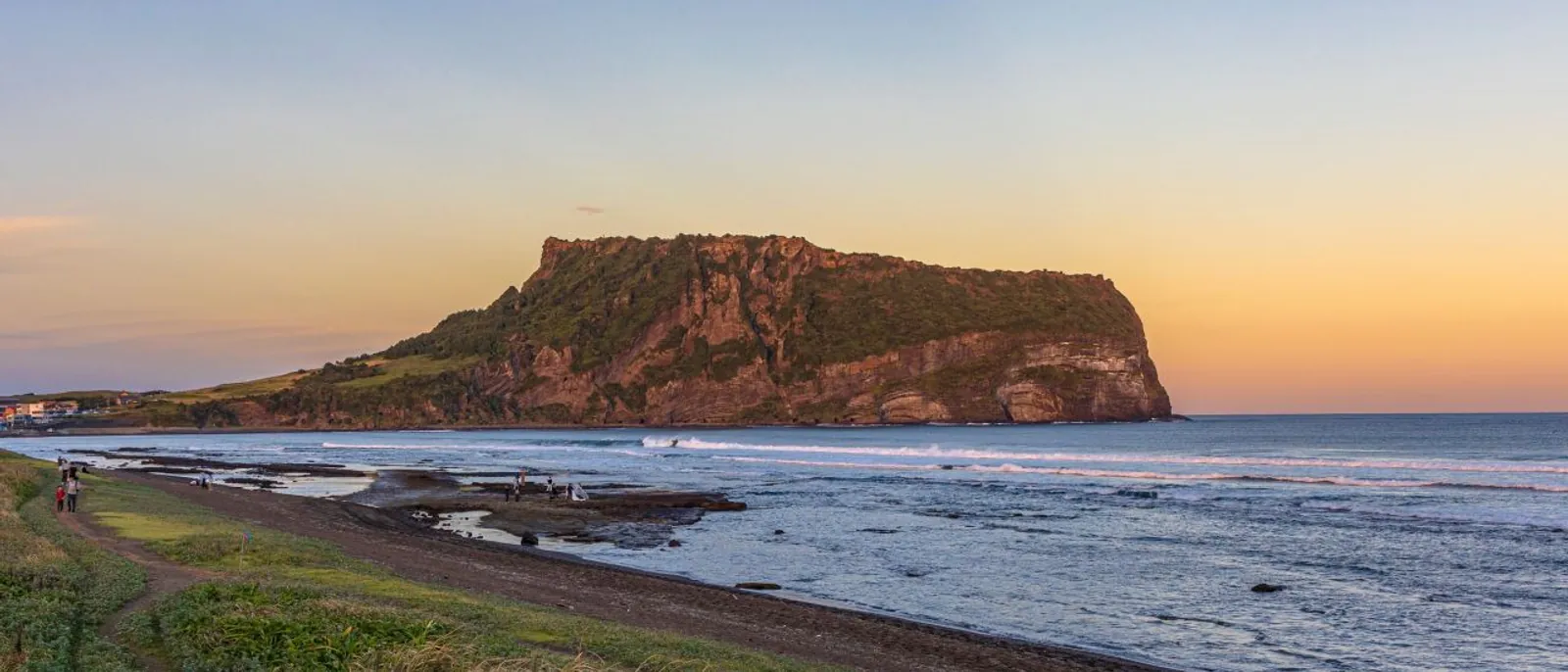
Jeju rewards a route with direction. We move clockwise from the airport side to the west, south and east, changing base once so that each day explores a coast instead of repeating the same cross-island drive.
Three days at a glance
| Option | Anchor | Supporting stop | Sleep |
|---|---|---|---|
| Day 1 | Hyeopjae or Hallim coast | One northwest cafe, walk or garden | Seogwipo |
| Day 2 | Seogwipo south coast | One eastbound nature stop | Seongsan area |
| Day 3 | Seongsan Ilchulbong area | One east or north coast stop | Airport or Jeju City |
This route assumes three full sightseeing days. Remove a supporting stop when a flight, weather or rental queue shortens the day.
This Jeju 3-day itinerary by car follows one clockwise line so your holiday feels like an island journey, not a commute.
Who is this Jeju road trip for?
The route suits first-time visitors who can legally rent in Korea, are comfortable driving on the right and want both the coast and smaller island landscapes. It assumes three full days after the car is collected and before it must be returned. If Day 1 begins after a midday flight or Day 3 ends with an early departure, remove a supporting stop. Rental pickup, baggage, shuttle movement and contract review all consume time that an attraction map does not show.
We use two sleeping areas: Seogwipo after the west-coast day and the Seongsan area after the south-and-east day. One hotel for all nights saves packing, but creates repeated cross-island drives. The change of base makes the route directional. Travelers who dislike moving bags can keep one Seogwipo base and accept longer travel on Day 3, or use Jeju City and select only one side of the island.
Do not begin until every driver meets the rental company's document and contract requirements. Official Jeju guidance explains that rules can vary, while VisitKorea distinguishes a valid International Driving Permit from documents marketed as an international license. Confirm requirements with the company before payment. Photograph the vehicle, understand fuel and insurance terms, set navigation before moving, and never handle a phone while driving.
Day 1: How do you drive the west coast without rushing?
Start only after a careful rental pickup
Collect the car near the airport or your approved pickup point, inspect every panel and wheel, and record existing damage with the representative's process. Confirm the return branch, deadline, fuel rule, emergency number and what the insurance excludes. Save the company name and address in Korean. If the vehicle or paperwork is unclear, resolve it before entering traffic. The first destination can wait; an uncertain contract cannot.
Drive toward the northwest, but resist adding every cafe and photo pull-off shown by navigation. Jeju's coastal roads pass villages, fields and sea views where stopping is not automatically legal or safe. Use marked parking only, never block a farm entrance, and do not stop on the carriageway for a photograph. Let Hyeopjae or the wider Hallim coast be the anchor, then add only one nearby garden, museum, short walk or cafe selected for the weather.
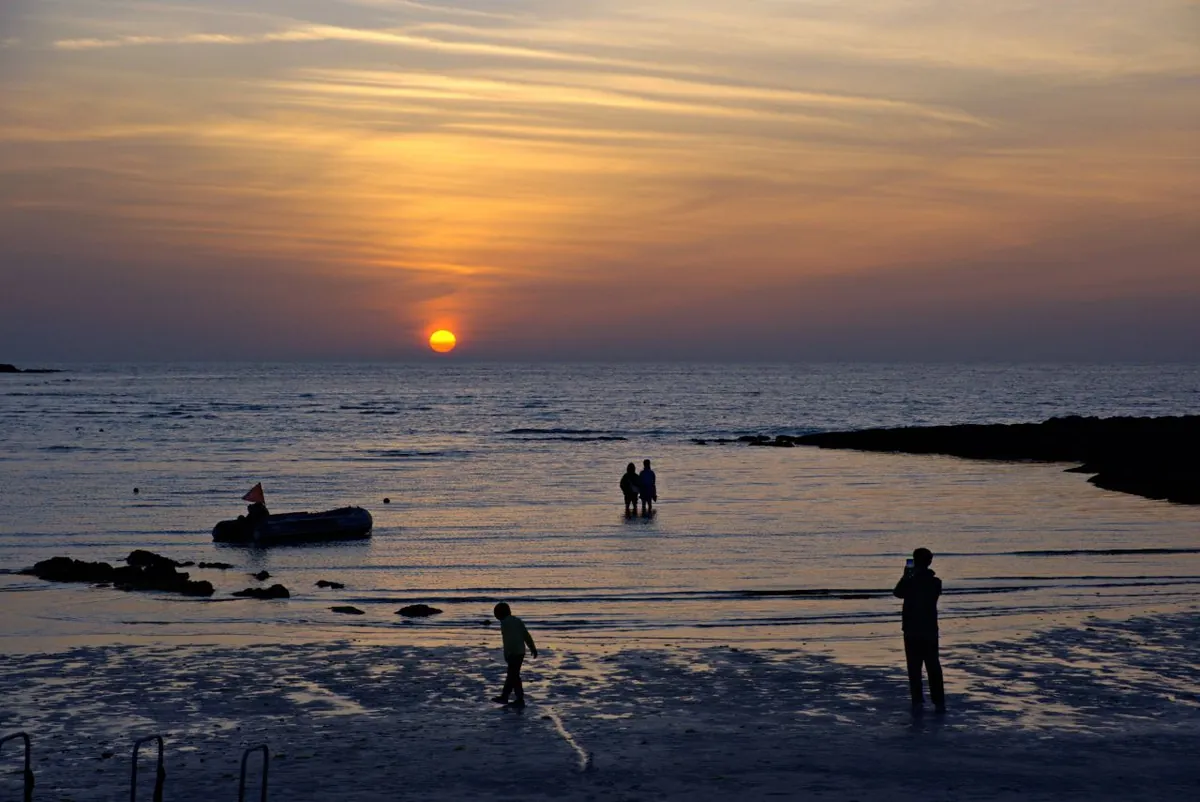
At Hyeopjae, treat the beach as a landscape stop unless current management permits swimming and conditions are safe. Wind and visibility can change quickly. Walk the public shore, keep off controlled ecological areas and use the facilities that are actually open. A clear day may justify more time; rain may make an indoor Hallim-area stop more valuable. The route works because the category of stop is flexible.
Finish in Seogwipo, not back at the airport
Continue south with enough daylight to reach Seogwipo calmly. The purpose of Day 1 is the transition from Jeju's northwestern coast to its southern city, not a complete west-island inventory. Check in, park according to the accommodation's instructions and walk to dinner if practical. A central Seogwipo evening provides restaurants and market atmosphere without another drive after dark.
If arrival delays remove the west coast, drive directly to Seogwipo and preserve the next two days. Do not race Hyeopjae at sunset after a late pickup. You can move one west stop to another trip or replace Day 3's north-coast stop. The island remains enjoyable without completing every pin.
Day 2: How do you connect Seogwipo with Seongsan?
Day 2 follows the south and southeast. Choose one Seogwipo anchor in advance: a current waterfall visit, a coastal formation, a short public path or a market-focused morning. Attraction access can close for maintenance or weather, and each site has its own parking and walking requirement. Check the official Visit Jeju listing before leaving the hotel, then commit to one primary experience rather than a sequence of similar viewpoints.
A waterfall stop may involve stairs, spray and slippery surfaces. A coast walk may be exposed to wind. A market morning may start later than an early nature site. Match the choice to the group and season. After the anchor, eat in Seogwipo or along the eastbound route, then select one supporting nature stop before Seongsan. The drive is part of the day, but the driver still needs rest and full attention.
Choose one eastbound supporting stop
Good categories include a short forest visit, a folk or culture site, or an accessible southeast coast walk. Do not choose by how many results fit between two map points. Ask whether the stop adds a new landscape and whether it remains worthwhile in current weather. If it repeats Day 1's beach experience, skip it. If it introduces volcanic terrain, village history or forest, it may earn the time.
Reach the Seongsan area before you are tired. Check in, identify legal overnight parking and choose dinner within a short distance. The famous sunrise image can tempt travelers into a late arrival followed by a very early start; rest is a safety decision. If the weather forecast is poor, do not sacrifice sleep for a guaranteed view that does not exist.
Day 3: What should you do around Seongsan before the airport?
Seongsan Ilchulbong is the east-coast anchor. It is a UNESCO-recognized volcanic landscape with distinct public areas and a summit route subject to current opening, admission and weather controls. Check the official notice and decide whether your group wants the climb or a lower-area view. A visit is still meaningful when clouds obscure sunrise, but exposed paths should not be attempted against closures or unsafe conditions.
After Seongsan, choose only one direction toward the airport: follow selected east-coast villages and beaches north, or take a more direct route and use extra time near Jeju City. Avoid adding Udo unless the island is the primary plan. Ferry schedules, weather, vehicle restrictions and the time required on Udo make it a separate day, not a casual extension before a flight.
Protect the rental return buffer
Refuel according to the contract, remove rubbish, check every compartment and arrive before the company's required return time. Allow for traffic, a possible inspection and the transfer from the rental area to the terminal. The flight deadline is not the car-return deadline. If navigation shows delay, skip the last cafe or coast stop immediately. A calm handover is worth more than one additional photograph.
If you have another night in Jeju City, Day 3 becomes more relaxed. You can add a north-coast walk or market dinner after returning the car. If you fly that evening, keep the final stop close to the return corridor. Our Korea travel essentials guide covers connectivity and payment preparation that support both navigation and the return process.
How should weather change the itinerary?
Jeju can show different conditions on different sides of the island, but that does not justify chasing every patch of blue sky. Check official weather warnings and attraction notices each morning. In heavy rain or strong wind, replace exposed coast and summit plans with one indoor museum, culture site or market in the same region. Keep the route's direction while changing the type of stop.
Fog affects visibility and driving confidence, particularly on higher roads. Slow appropriately, use lights as required and follow local controls. Do not take an unfamiliar mountain shortcut because navigation claims it saves minutes. In winter, verify road restrictions and vehicle equipment directly; in typhoon or severe-weather conditions, follow emergency guidance and be prepared to stop the road trip.
Can you do this route without changing hotels?
Yes, but accept the trade-off. A Seogwipo base keeps Day 1 and Day 2 convenient but makes the final airport route longer. A Jeju City base simplifies flights and rentals but creates repeated journeys to the south. A Seongsan base prioritizes the east and is inefficient for the west. Compare this with our Jeju without a car itinerary, which deliberately uses different transport logic.
For families, larger groups or travelers with many bags, one base may be worth the extra driving. Remove one island side so the driver is not commuting every day. Three days can cover west, south and east at a useful pace only when the schedule is full, the route moves in one direction and the group accepts a hotel change.
What should you book and what should stay flexible?
Book the rental car and accommodation after confirming document eligibility and cancellation terms. Reserve any attraction that officially requires a timed slot. Keep ordinary beaches, viewpoints and meals flexible because weather and queues determine their value. Save official URLs, Korean place names and offline addresses before travel; our Korea eSIM guide helps with mobile data planning.
The route succeeds when you stop subtracting time from the road. One west-coast anchor, one south-coast anchor and one east-coast anchor are enough to understand Jeju's scale. The car creates access, but good planning limits how often you use it. Park legally, walk with purpose and arrive at each new base before fatigue takes over.
Last verified: August 30, 2026. We checked Jeju Tourism Organization transport, rental and destination guidance; confirm live access, weather and your rental contract.
Sources & verification
We use official or primary references to check practical details. Confirm time-sensitive information directly before you book or travel.
- Visit Jeju — Official Jeju Tourism GuidebookJeju Tourism Organization
- Visit Jeju — Transportation and DrivingJeju Tourism Organization
- Visit Jeju — Rental Car GuideJeju Tourism Organization
- Visit Jeju — Seongsan IlchulbongJeju Tourism Organization
- Public Data Portal — KTO Photo Gallery APIKorea Tourism Organization
Frequently Asked Questions
Are three days enough for Jeju by car?
Three full days can cover a selective west, south and east route. Three calendar dates with flights usually require removing at least one region or anchor.
Where should I stay on a three-day Jeju road trip?
A directional route works well with one night in Seogwipo and one near Seongsan. One base is simpler but creates more repeated driving.
Should I drive around the entire Jeju coastline?
No. A continuous coast loop prioritizes windshield time. Choose one anchor per region and use direct roads when the coastal detour adds no meaningful stop.
Can I add Udo to this three-day itinerary?
Only by replacing most of Day 3. Ferry conditions, island time and vehicle restrictions make Udo a primary excursion, not a quick stop before a flight.
Last verified: August 2026 · TipsKorea Editorial


