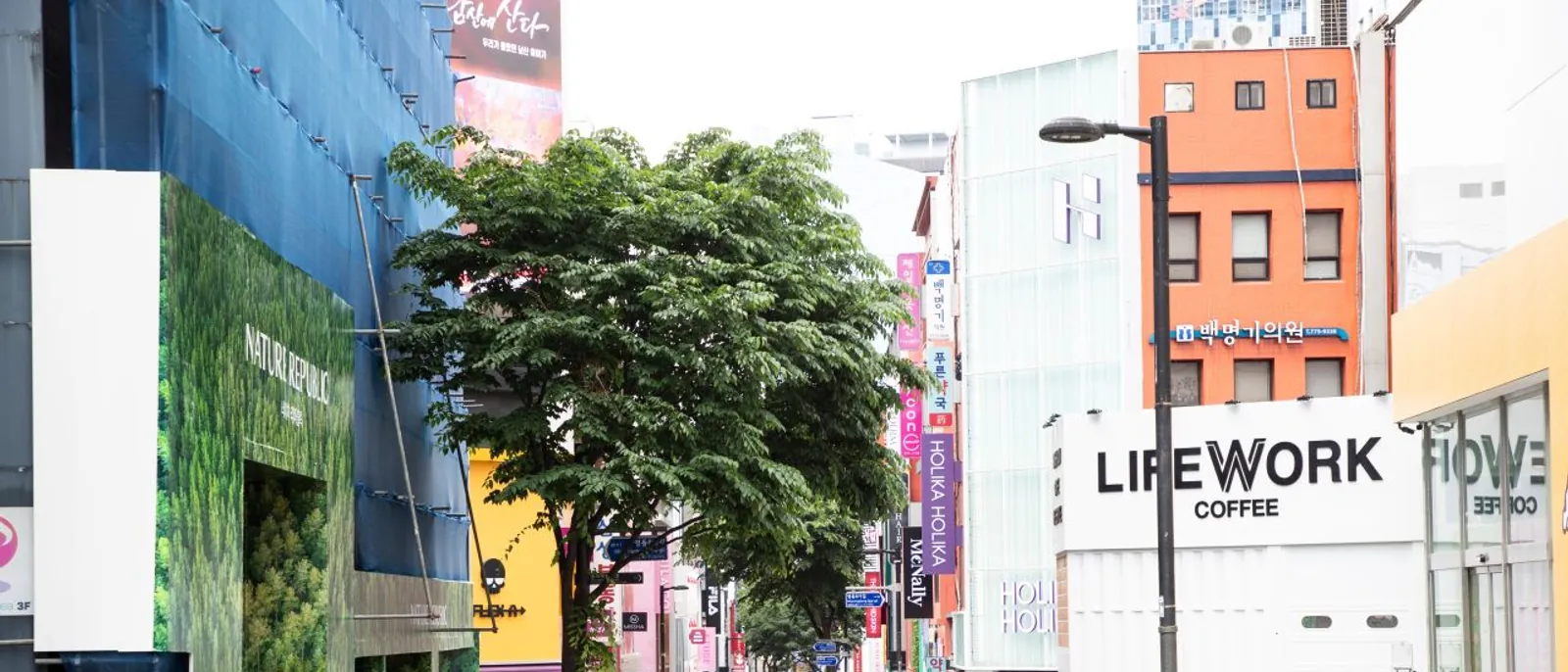
A reliable Korea payment plan has three layers: a primary card, a separately stored backup card and a modest amount of Korean won.
Payment layers compared
| Option | Best for | Main risk | Backup |
|---|---|---|---|
| International card | Hotels, restaurants, shops and larger purchases | Issuer decline or unsupported terminal | Second card and cash |
| Korean won cash | Small vendors, markets and cash-only transactions | Loss and leftover notes | Withdraw or exchange in smaller batches |
| Transit balance | Bus and subway fares where the card is supported | Separate balance and loading rules | Keep enough cash for a reload |
Payment acceptance, ATM fees and transit loading methods can change by operator; confirm the screen before committing.
Money and Payment in Korea is easiest with a primary card, a separate backup card and a modest reserve of Korean won.
How should you set up money and payment in Korea?
Build three independent payment layers
Use one internationally enabled credit or debit card as the everyday tool, then store a second card from another account away from the first. Add enough Korean won to handle a meal, a local ride or another small cash-only need without carrying the entire trip budget. Independence matters: a lost wallet, a bank security block or one incompatible terminal should not remove every option at once.
Before departure, check each issuer's foreign-use setting, overseas transaction fee, cash-withdrawal fee, daily limit and emergency contact method. Do not assume a card that works online will also allow an overseas ATM withdrawal. Save support numbers outside the wallet and enable transaction alerts. Our Korea travel essentials guide places this payment setup alongside mobile data, documents and arrival planning.
What Korean won should you recognize?
Korea's official currency is the won, written as KRW or with the won symbol. The Bank of Korea issues the currency, while KTO's visitor guide shows the commonly encountered banknotes of KRW 1,000, 5,000, 10,000 and 50,000 and coins of KRW 10, 50, 100 and 500. Read all zeroes before paying: KRW 50,000 and KRW 5,000 are very different notes even when a hurried spoken price sounds unfamiliar.
Small notes are more practical than one large note at a tiny stall or when splitting a cash expense. Count change at the counter without blocking the next customer, and keep coins in an accessible pocket for machines that still accept them. A phone conversion display can help with budgeting, but the amount on the Korean receipt is the transaction record. Exchange rates move, so avoid printing a fixed home-currency equivalent into a day-by-day budget.
Where are international cards most useful?
KTO says credit cards are widely used at major hotels, department stores and general shops, and Seoul's official visitor guidance similarly describes broad acceptance at stores, restaurants, hotels and tourist destinations. That makes a card the sensible default for traceable purchases. It does not mean every card works at every terminal. A small merchant, unattended machine, older reader or online checkout can reject a foreign-issued card even when the business accepts Korean cards.
Watch the amount before tapping or inserting the card, and keep the receipt until the transaction settles. If contactless payment fails, ask whether the physical chip can be used. A mobile wallet is convenient only when both the wallet and terminal support the same method, so carry the physical card. Hotels and rental services may place a temporary authorization hold; ask how much available credit is needed and when the property releases it.
When should you keep cash ready?
Cash remains useful for traditional markets, small independent vendors, some rural businesses, coin-operated equipment and payment failures. It is also important when a prepaid transit product can be purchased or loaded only with cash or a Korea-issued card. The right reserve depends on your route, not a universal daily amount. A city hotel-and-museum itinerary needs less cash than a rural market day with local buses and small restaurants.
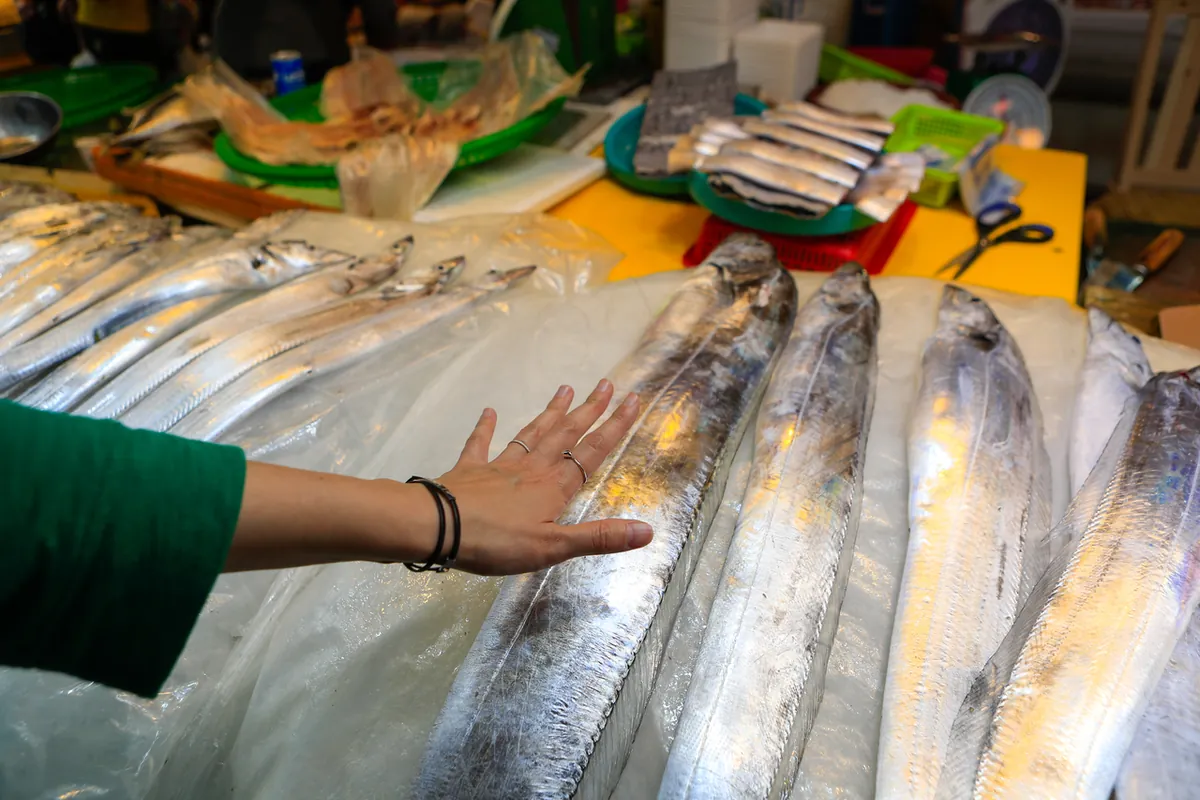
Ask whether a merchant accepts cards before ordering when no payment logos are visible. Never pressure a small operator to accept a method it does not support, and do not leave a passport as security for an unpaid amount. Keep cash divided between the everyday wallet and a secure backup. Withdraw or exchange in sensible batches so a lost wallet does not contain the whole budget and departure day does not leave a large unwanted balance.
How do ATMs and currency exchange work?
Use an ATM that displays your card network and presents instructions you understand, preferably at a bank branch, airport or other controlled location. Compatibility, withdrawal limits and fees can come from both the ATM operator and your card issuer. Read the complete summary before confirming. If the machine does not return the card, keep the location, terminal identification and time, then contact the operator and issuer immediately instead of accepting help from a stranger.
For physical exchange, KTO directs travelers to banks or authorized exchange service centers, and airport facilities are another official option. Hours and accepted currencies vary, so check the responsible operator rather than relying on an old travel post. Carry your passport because identification can be required. Compare the rate and stated commission, count the won before leaving, keep the receipt and avoid informal street exchanges with no verifiable operator.
Which currency should you choose on the screen?
A card terminal or ATM may offer to convert the charge into your home currency. Visa describes this as dynamic currency conversion: the offer can contain its own exchange rate and additional fees, and the screen should show both currencies and let the cardholder accept or decline. Familiar-looking home currency is not automatically the cheaper choice. The useful comparison includes the offered rate, markup and any fee your own issuer charges for a KRW transaction.
A clear default is to select Korean won and let your issuer perform the conversion, unless you have deliberately compared the disclosed home-currency offer and prefer it. Do not approve a screen you cannot read. If a merchant selects home currency without your consent, retain the receipt and contact the card issuer. At an ATM, cancel and use another machine when the conversion choice or total fees are unclear.
Why is transit money a separate system?
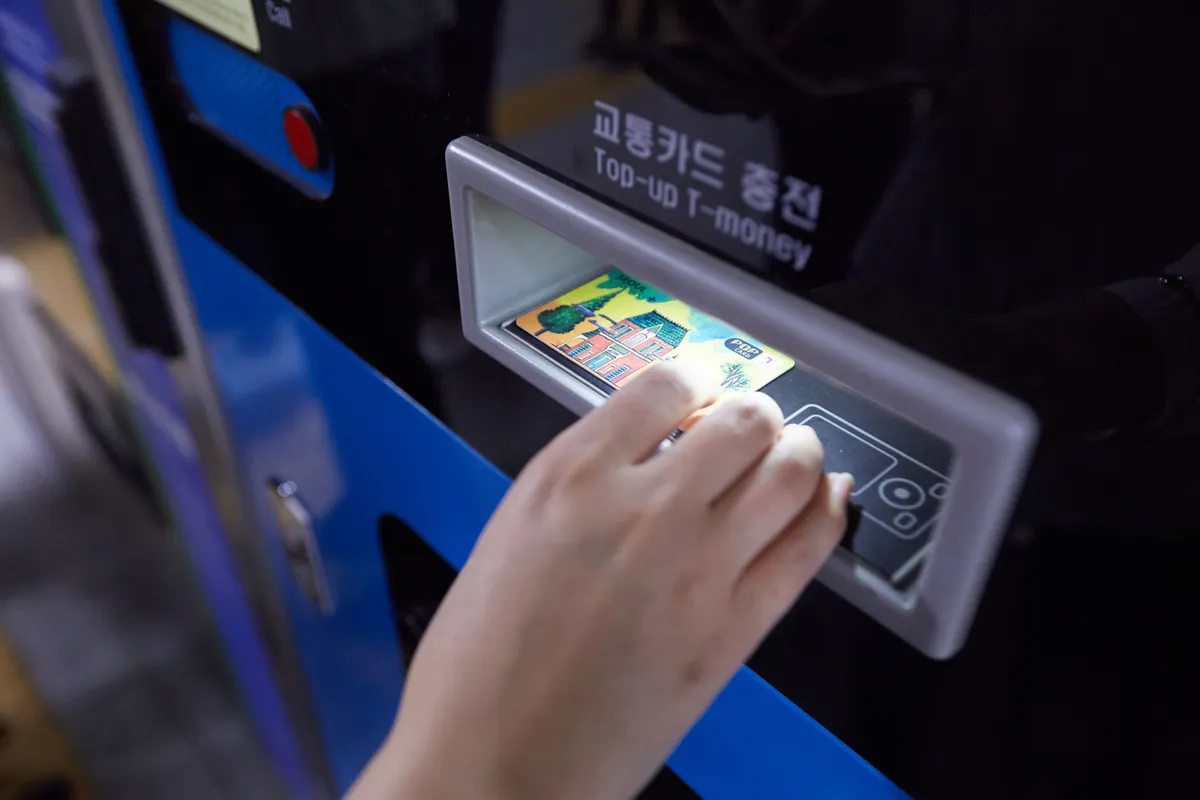
Korean buses and subways commonly use stored-value transport cards, but the transport balance is separate from an ordinary credit-card account. KTO's current international-visitor transport guide warns that foreign-issued cards generally cannot be used to buy or top up a standard Tmoney card, while specific newer machines and products can have different rules. Do not assume that a contactless bank card can simply tap through every gate.
Choose the transit product for the cities and routes you will actually use, then confirm where and how it can be loaded. Keep a little cash until the first successful top-up. Our Korea transport cards and passes guide explains coverage, while the Tmoney, WOWPASS and Climate Card comparison separates transit value, retail value and pass validity. Never add a large balance merely because a card can hold it.
What should you do when a payment fails?
First confirm the amount and try the physical chip if a contactless attempt failed. Then use the second card or cash rather than repeating one transaction many times. Multiple temporary authorizations can be confusing even when the purchase never completed. For an online booking, check that the billing details, verification message and foreign-use setting are correct. Ask the business for a written record if it believes payment succeeded.
Check the banking app before paying again, but distinguish a temporary authorization from a settled charge. If the same purchase settles twice, keep both receipts and contact the merchant and issuer through official channels. Freeze a missing card immediately. The Korea tax refund guide is a separate process: eligibility, export and refund documents do not change whether the original card transaction was valid.
How should you manage money through departure day?
Review card and cash balances before the final day. Reserve won for the trip to the airport, food and any transit-card issue, then spend or exchange only the genuine surplus. A transit balance may follow different refund rules from cash or a prepaid retail balance. Keep receipts for deposits, tax refunds and large purchases until every related charge or hold is settled.
The dependable strategy is redundancy, not a single perfect product: pay by card when it works, keep cash for the exceptions, and preserve a second route to funds. Confirm the amount and currency before every approval, and make decisions from the operator's current screen rather than a remembered exchange rate.
Last verified: August 31, 2026, by the TipsKorea editorial team against Bank of Korea, KTO, Seoul Metropolitan Government and Visa guidance.
Frequently Asked Questions
Can I travel in Korea without carrying cash?
Cards are widely accepted, but cash remains useful for small vendors, some machines, payment failures and certain transit-card purchases or top-ups. Keep a modest won reserve.
Should I choose KRW or my home currency when paying?
Choose KRW unless you have deliberately compared and accepted the disclosed home-currency conversion rate and fees. Your issuer may also charge its own foreign transaction fee.
Will my foreign card work at every Korean ATM?
No. Network support, issuer permissions, limits and operator rules vary. Use a machine displaying your network, read all fees and keep a separate withdrawal option.
Can I tap my foreign bank card on Korean buses and subways?
Do not assume so. Standard transit commonly uses a separate stored-value card, although particular machines, services and routes can support other payment methods.
Last verified: August 2026 · TipsKorea Editorial