
A rewarding car-free Jeju trip depends less on finding a perfect bus number and more on choosing sensible bases. We organize this route around four compact clusters, leave room for live timetable changes, and avoid the island-crossing detours that make public-transport days exhausting.
Four days at a glance
| Option | Base | Main cluster | Why it works |
|---|---|---|---|
| Day 1 | Jeju City | Yongduam and Dongmun Market | A forgiving arrival day with short urban transfers |
| Day 2 | Jeju City | Seongsan east coast | One major destination with an optional nearby extension |
| Day 3 | Seogwipo | Waterfall, art street and market | A walkable city-center day after changing hotels |
| Day 4 | Seogwipo | Jungmun and Daepo coast | A focused southwest cluster with a simple return |
This is a planning framework, not a fixed timetable. Confirm the day’s bus departures, attraction access and weather before leaving your accommodation.
This Jeju itinerary without a car links the island's coast, markets and volcanic scenery in four realistic, unrushed days.
Is a Jeju itinerary without a car realistic?
Yes, provided that you plan a different kind of Jeju trip. A driver can link remote beaches, oreums and cafes in one day; a bus traveler needs to prioritize fewer places and enjoy them properly. Visit Jeju describes the island's bus network as reaching far across Jeju and notes that buses and many stops offer Wi-Fi and real-time information. That makes independent travel possible, but it does not make the island compact. The useful question is not whether a bus reaches a place. It is whether the full journey, final walk and return departure fit comfortably into the same day.
This itinerary therefore uses two bases and four regional clusters. For the four-day, three-night version, spend the first two nights in Jeju City, where the airport, urban buses and eastbound connections are easier to manage, then spend the final night in central Seogwipo near the old downtown, coast and market. Changing hotels once costs some time, but it prevents repeated cross-island returns. Add another Seogwipo night only if Day 4 is not your departure day. Travelers who strongly dislike moving luggage can stay in one city, yet they should expect longer rides and may need to remove one day trip.
Public transport also changes how we define a successful day. Build around one non-negotiable stop, one nearby second stop and a flexible meal or walk. Do not measure the route by the number of pins saved to a map. Jeju's weather, traffic and bus intervals can turn a tightly packed schedule into a chain of missed connections. A slower plan gives you time to read a bus stop carefully, wait on the correct side of the road and enjoy the landscape that made you choose the island in the first place.
Before Day 1: set up a two-base trip
Choose accommodation for transport, not a postcard view
In Jeju City, look for a stay with a simple airport connection and several nearby bus stops rather than an isolated coastal property. Around the intercity bus terminal or the central commercial districts, you gain more route choices and easier access to food after a delayed arrival. In Seogwipo, prioritize the old downtown around Lee Jung-seop Street, the market or a main bus corridor. A resort address may look close to Seogwipo on a booking map while still requiring an awkward final transfer. Save the Korean address and nearest stop for both hotels before you fly.
Prepare data, payment and live navigation
Load a Korean transport card and keep a modest cash backup. Our Korea transport cards guide explains the practical differences, while the official Jeju Bus Information System should be your final source for live routes. A stable data connection matters because you will check departures throughout the day; compare the setup choices in our Korea SIM vs eSIM guide. Screenshot the Korean stop name, direction and hotel address, but do not trust an old screenshot as a timetable. Recheck the live trip shortly before you walk out.
Pack so you can carry everything during the hotel change. One rolling suitcase is manageable on major connections, but a large bag makes steep streets and crowded buses harder. Keep rain protection, water and a light layer accessible rather than buried. Jeju's coast can feel cooler and windier than the forecast in either city. Our Korea travel essentials checklist covers adapters, connectivity and arrival basics; for this route, comfortable walking shoes and a compact weather layer are more valuable than an ambitious outfit schedule.
Day 1: arrive gently in Jeju City
Check in before committing to the coast
Use the first day to absorb flight delays and learn how Jeju's stops work. Travel from the airport to your hotel, leave your luggage and confirm the final return route before moving again. If you arrive early and the weather is clear, begin with Yongduam and the nearby coastal paths. The point is not to complete a long waterfront hike. It is to get your first view of the volcanic shore while remaining close enough to change plans. If rain or fatigue wins, replace the coast with a cafe, museum or an unhurried meal in the city center.
Continue to Dongmun Traditional Market when you are ready for dinner. Treat it as a working market rather than a checklist of viral snacks: walk once before ordering, compare queues with quieter stalls and choose food you can comfortably eat. Individual business hours and days off vary, so avoid building the evening around one named vendor. If your flight arrives late, skip sightseeing and eat near the hotel. Day 2 asks for an early, focused departure, and protecting sleep is more valuable than forcing a technically possible market visit.
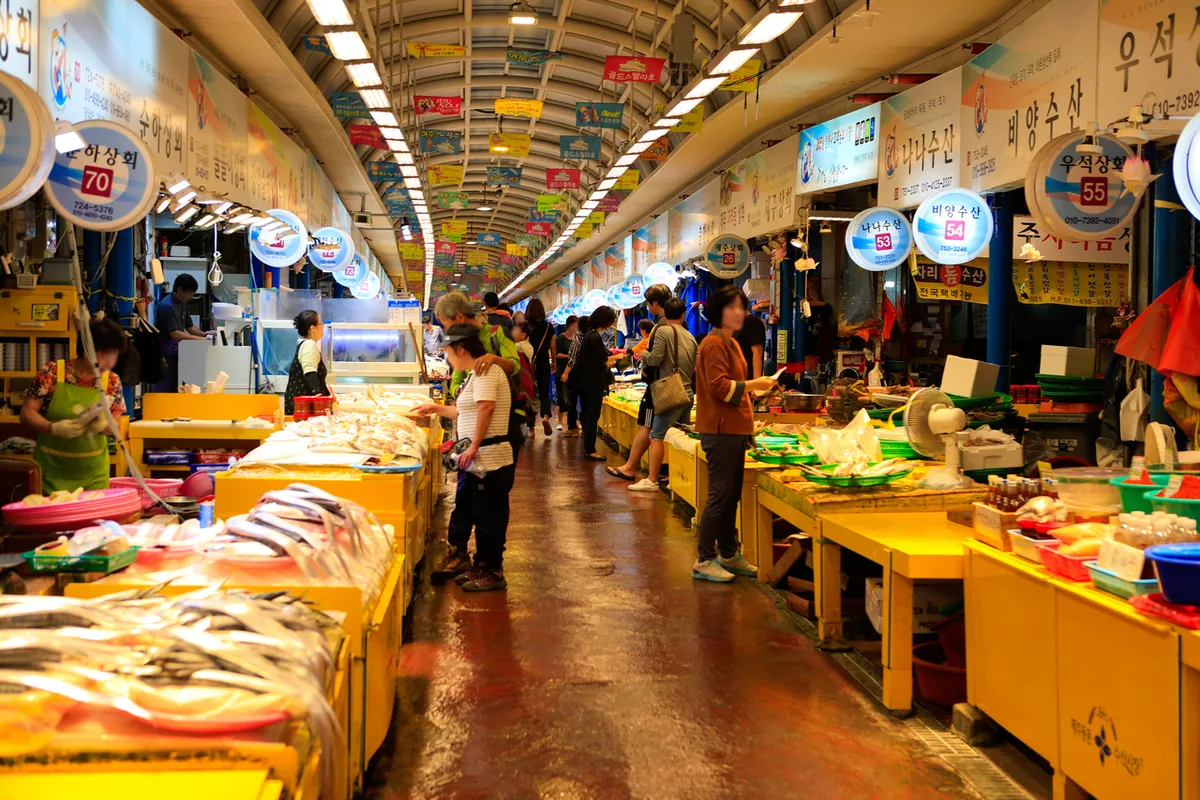
Before returning to your room, open the next morning's eastbound journey in the official bus service. Confirm the departure stop, direction, any transfer and the last practical return options. Save Seongsan Ilchulbong's Korean name as well as the English name. Island stops can have similar romanizations, and a map pin alone may place you on the wrong carriageway. This ten-minute check is the core habit of a smooth car-free trip: prepare the next leg while you still have Wi-Fi, time and a calm place to ask for help.
Day 2: make Seongsan the east-coast anchor
Travel east with one clear priority
Leave Jeju City with Seongsan Ilchulbong as the day's anchor. Visit Jeju identifies the volcanic tuff cone as part of Jeju's UNESCO World Natural Heritage and places it on Olle Trail Route 1. The summit route involves a sustained climb and exposed conditions, while the lower coastal area offers a gentler alternative. Check the official attraction page for current access and weather restrictions before committing to the climb. Starting with the major sight also protects the day: if the outbound ride takes longer than expected, you have not sacrificed the place that justified traveling east.
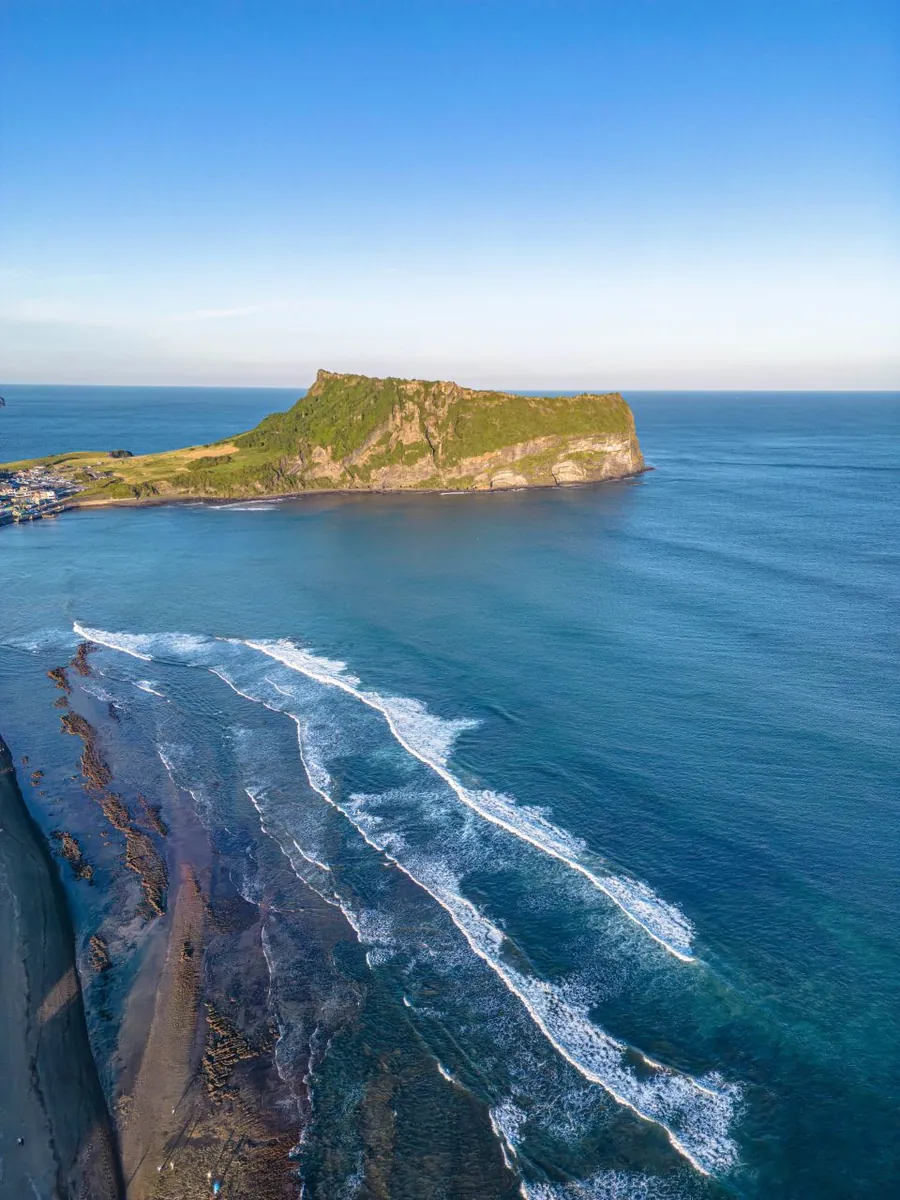
After the climb or lower walk, have lunch in the Seongsan area and choose only one extension. A short section of the surrounding coast gives the day texture without introducing another long transfer. Seopjikoji can be considered when the weather, walking energy and live return journey all align, but it should remain optional. Udo is a different full-day decision because it adds a port connection, ferry conditions and another transport network. Do not squeeze it between Seongsan and a late bus home. If Udo is your priority, replace the rest of this day rather than attaching the island as a bonus.
Turn back with a comfortable margin instead of targeting the final possible connection. Rural waits feel longer after sunset, and wind or rain can make an exposed stop unpleasant. Dinner can happen in Jeju City, where you have more fallback choices near the hotel. Use the return ride to review Day 3's hotel transfer. The official Jeju guidebook includes sample multi-day routes, but its sequence assumes a broad island tour; our version deliberately removes stops so the east-coast day remains credible for a traveler carrying no car keys.
Day 3: move south and walk downtown Seogwipo
Make the transfer part of the itinerary
Check out after the morning rush and take a southbound connection to central Seogwipo. Visit Jeju highlights express links between the airport and major island stops, and it also publishes a car-free route using Bus 181 through southern Jeju. Route numbers and stopping patterns can be revised, so use those official resources as orientation and confirm the live service on the day. Leave your bag at the second hotel before sightseeing. Carrying luggage through Seogwipo's hills would turn a pleasant walking afternoon into an unnecessary endurance test.
Begin with Lee Jung-seop Street and the surrounding old downtown. This pedestrian-scale area works well after a transfer because you can shorten or lengthen the visit without risking a distant bus. Continue toward the coast and Cheonjiyeon Falls if conditions and current access allow. Visit Jeju's Hayoung Olle routes connect city parks, the waterfall area, Saeyeongyo Bridge, Lee Jung-seop Street and the market through longer urban walking loops. You do not need to complete an entire course; use its official sequence to choose a manageable section that matches your daylight and energy.
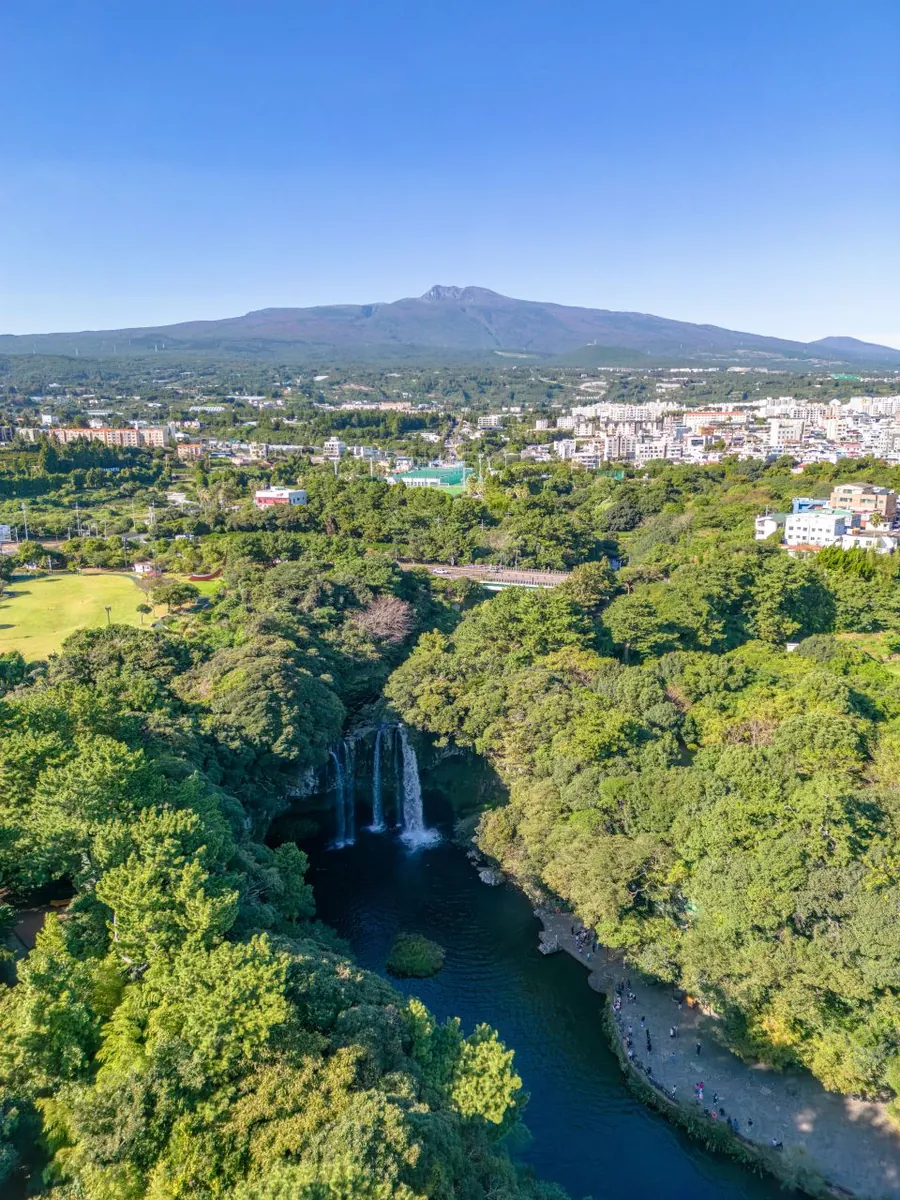
Finish at Seogwipo Maeil Olle Market, close to Lee Jung-seop Street and the entrance corridor toward Cheonjiyeon. This is the day's natural dinner stop rather than a reason to cross town twice. Browse first, then balance snack portions with one proper meal. Seafood, fruit and prepared-food availability changes with season and vendor, so the itinerary does not promise a particular dish or price. Walk back by a well-lit route or take a short local ride, and confirm Day 4's Jungmun stop before bed.
Day 4: focus on Jungmun and the Daepo coast
Choose a compact southwest cluster
Travel from central Seogwipo to the Jungmun area and begin with the attraction that matters most to you. Daepo Coast Jusangjeolli Cliff is the strongest landscape choice: Visit Jeju describes the formation as basalt columns created as lava cooled and identifies it as a protected natural monument. Opening and last-admission times can vary with season and conditions, so confirm them on the official page. The site is popular and exposed; an earlier visit usually gives you more flexibility if wind, rain or a delayed bus changes the afternoon.
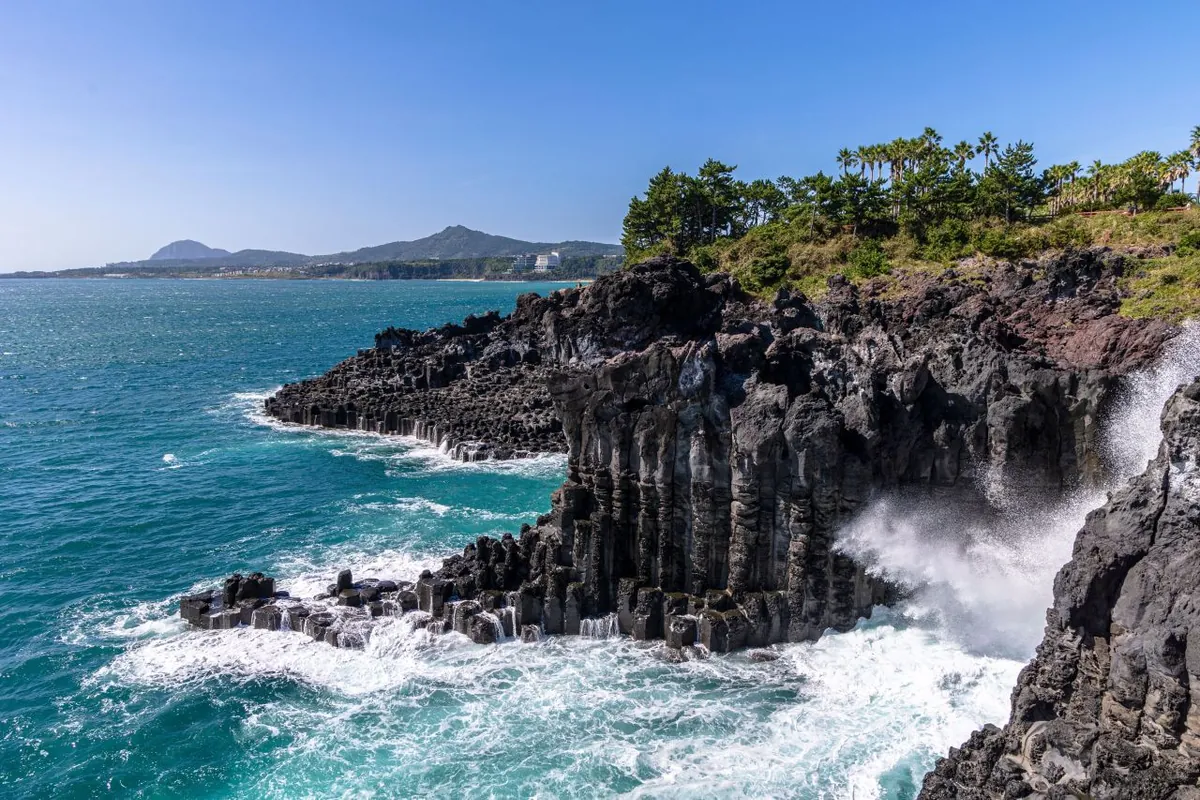
From there, choose between a longer coastal walk, Cheonjeyeon Falls or time around Jungmun's gardens and indoor attractions. Do not assume every point inside the tourist complex sits beside the same bus stop. The area is spread out, and the final walk can include slopes. Check each leg separately and use a short taxi only if it solves a difficult last mile within your budget; traveling without a rental car does not require turning every transfer into a test. If weather closes exposed viewpoints, move the indoor portion forward and leave the coast for a later clear window.
Return to central Seogwipo before dinner rather than continuing west toward Sanbangsan or the far coast. Those areas deserve their own day and create a fragile chain of buses when added here. This restraint is what makes the route useful: four days can show you urban Jeju, an eastern UNESCO landscape, walkable Seogwipo and the Jungmun coast, but it cannot cover every saved attraction comfortably. If your flight leaves on the evening of Day 4, remove the second Jungmun stop, include the hotel luggage pickup in the route, and travel toward the airport with a generous buffer.
What should you do when Jeju's weather changes?
Wind matters as much as rain on Jeju. It can affect how comfortable a coastal trail feels and whether a ferry or exposed attraction operates normally. Check the official weather forecast and the attraction's own notice before leaving, then move the most exposed day to the clearest window. Day 1 and Day 3 are easiest to swap or compress because they contain urban markets, streets and shorter walks. Day 2 should remain a full east-coast day, while Day 4 can become a Jungmun indoor day if the cliff or coastal paths are unsuitable.
A useful rain plan is specific, not simply 'find a museum.' Save two indoor choices near each base, confirm their closing days and keep them in the same geographic cluster as the original plan. Do not cross the island because one attraction is wet. Heavy rain can slow traffic and lengthen the walk between a stop and an entrance. If official guidance advises against a trail, coast or summit, treat that as a firm boundary. Jeju will still offer markets, food, local galleries and a slower city day without forcing a risky outdoor schedule.
How to keep the route flexible without losing structure
Book the two accommodations and any flight-dependent transfer first. Leave ordinary bus rides flexible and avoid non-refundable timed activities on the far side of the island immediately after arrival. Each evening, verify four items: tomorrow's weather, the first outbound bus, the attraction's current notice and at least two sensible return departures. Save the destination in Korean and take a screenshot of the return stop. This routine takes less time than recovering from one wrong-direction ride and makes the itinerary resilient without turning the holiday into logistics homework.
Finally, judge the plan by the quality of each day rather than how much of the island remains unseen. A car-free visitor will spend more time watching villages and coastlines pass slowly, and less time searching for parking. In exchange, you must say no to scattered pins. Four regional days create a coherent first visit and leave clear reasons to return: Udo, western Jeju, Hallasan and remote oreums can each anchor a future trip instead of becoming hurried footnotes to this one.
Last verified: August 16, 2026. We checked this route against Visit Jeju, the official Jeju bus information service and current attraction pages; reconfirm live departures, weather and access notices before travel.
Frequently Asked Questions
Can you travel around Jeju Island without renting a car?
Yes. Public buses reach major cities and many attractions, but a successful trip requires regional planning, live timetable checks and fewer stops per day than a driving itinerary.
Where should I stay in Jeju without a car?
We recommend splitting the trip between well-connected Jeju City and central Seogwipo. This reduces repeated cross-island journeys and gives you useful food and bus options near both hotels.
Should I visit Udo on this four-day Jeju itinerary?
Choose Udo only if it is a major priority and conditions suit the ferry. Give it most of Day 2 and remove the other east-coast extension rather than trying to fit everything together.
Which app should I use for Jeju buses?
Use the official Jeju Bus Information System for live service, then cross-check the stop location and walking leg in KakaoMap. Confirm the stop name, direction and return options immediately before travel.
Last verified: August 2026 · TipsKorea Editorial


