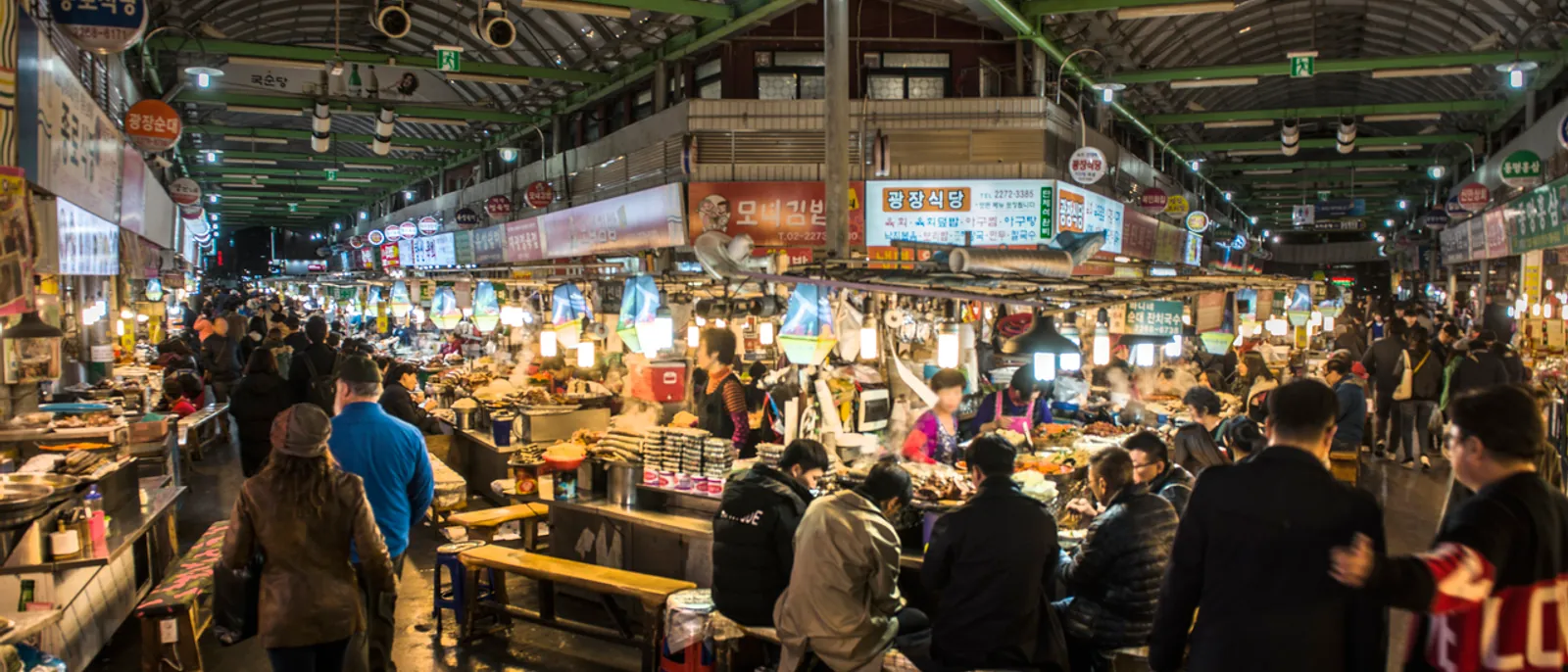
Gwangjang Market is easiest when treated as one meal with a route, not an endless tasting challenge. This guide explains the signature dishes, portion strategy and ordering decisions that keep a first visit enjoyable.
This Gwangjang Market Food Guide turns a crowded aisle into one deliberate, varied meal.
Gwangjang Market is both a traditional market and a major visitor destination in central Seoul. Official tourism pages identify food, fabrics, hanbok and vintage shopping among its draws. The most famous food alley concentrates heat, smoke, narrow seating and many similar menus into one energetic passage.
The goal is not to taste every viral item. It is to understand a few representative foods and leave comfortable enough to enjoy nearby Jongno. The top things to do in Seoul places the market in a broader first-trip plan; this guide stays focused on the meal.
When should you visit Gwangjang Market?
Visit Seoul and VISITKOREA currently publish separate schedules for the general market, specialty shopping and food street. The official listings show that the food area can operate later and on days when some other sections close. Individual stalls still choose their own service, holidays and sellout times, so check the current market page and do not promise yourself a specific vendor at the last minute.
Lunch versus evening
Lunch is easier for travelers who want brighter aisles, a calmer first look and nearby daytime heritage stops. Evening has more atmosphere but also tighter seats and heavier crowd pressure. Arrive before extreme hunger, because it is harder to compare menus when every pan looks urgent.
Jongno 5-ga is the closest common subway approach in official guidance, while Euljiro 4-ga can also work depending on your route. Save the exact gate or market entrance rather than searching only the market name. The complex has several approaches, and the food alley is one component.
What are the essential Gwangjang Market foods?
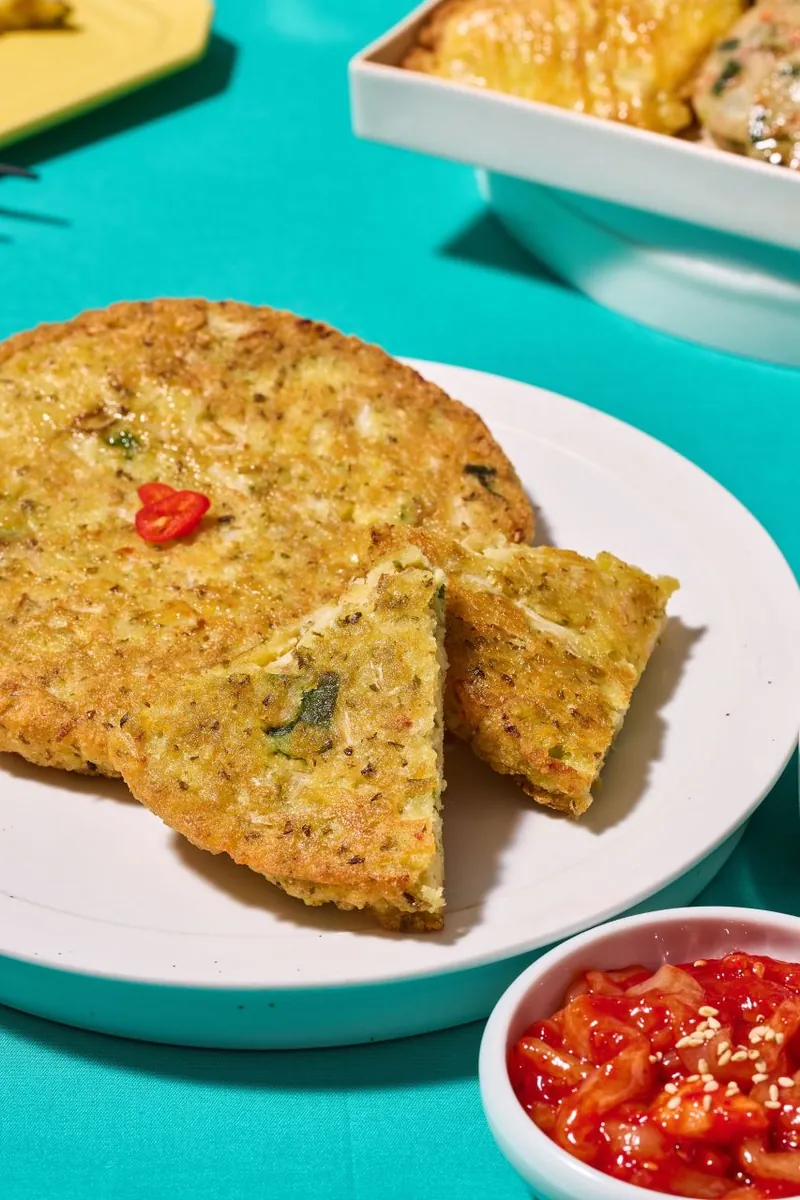
Bindaetteok: the savory anchor
Bindaetteok is a pan-fried mung-bean pancake, commonly cooked with vegetables and meat ingredients. It is crisp at the edge, dense in the center and filling enough to anchor a meal. Share one before ordering several other fried dishes. Ask about the specific recipe if pork, egg, seafood or cross-contact matters.
Mini gimbap: the small snack
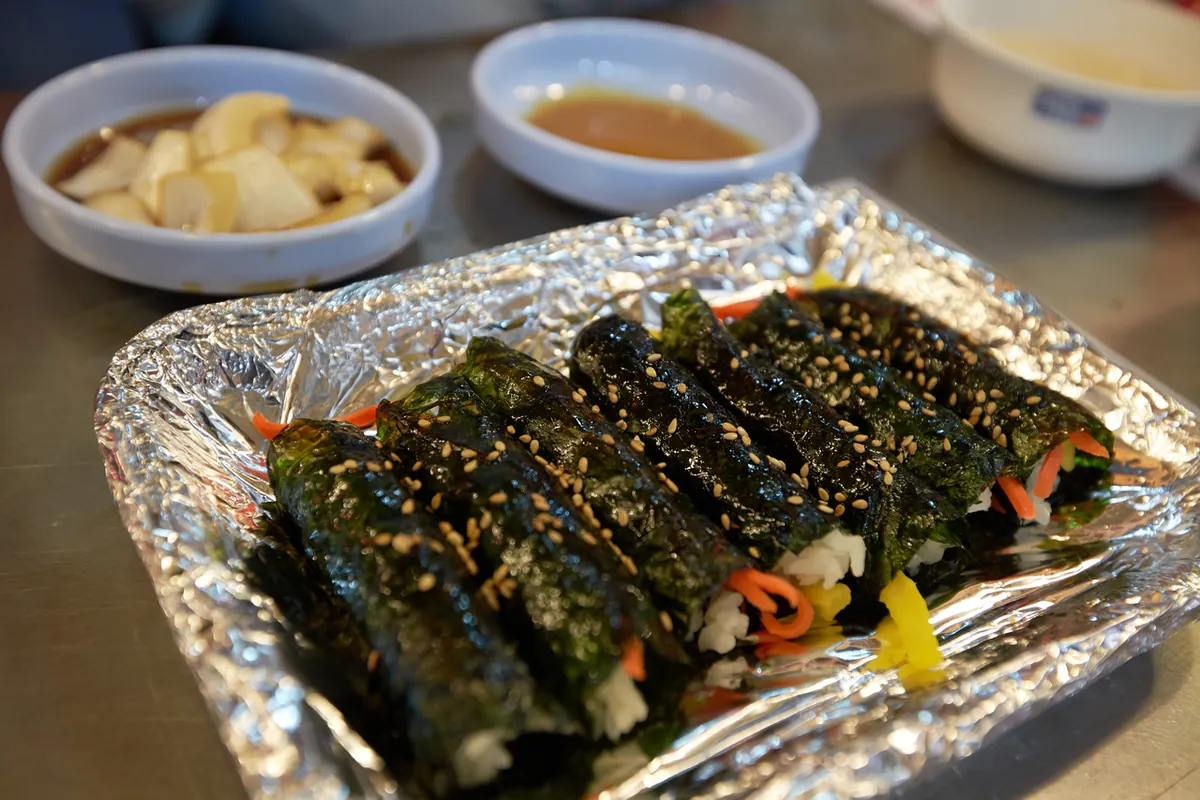
The market's small gimbap is often marketed with the nickname mayak gimbap, a reference to its supposedly hard-to-stop appeal. It is a compact rice-and-vegetable roll served with a mustard-based dip in many versions. It looks vegetarian, but seasoning, stock, egg and shared utensils vary, so ask rather than infer.
Yukhoe: an informed raw-food choice
Yukhoe is seasoned raw beef, often paired with pear and egg yolk depending on the restaurant. It is one of the foods official Seoul guides associate with Gwangjang, but popularity does not remove the risks of raw meat and raw egg. Pregnant travelers, young children, older adults and immunocompromised people may need to avoid it based on medical guidance.
Mandu, tteokbokki and other easy additions
Dumplings add a steamed or boiled contrast to fried pancakes. Tteokbokki brings chewy rice cakes and a sweet-spicy sauce. Fish cake, assorted jeon, noodles and offal dishes appear at different counters. Pick one addition based on texture and portion, not because a social-media list labels it mandatory.
How do you build a tasting route?
Use a three-part formula: one filling shared dish, one portable snack and one item your group specifically wants. For two people, that might be bindaetteok, mini gimbap and dumplings. If yukhoe is the priority, make it the main dish and add lighter cooked snacks rather than another large plate.
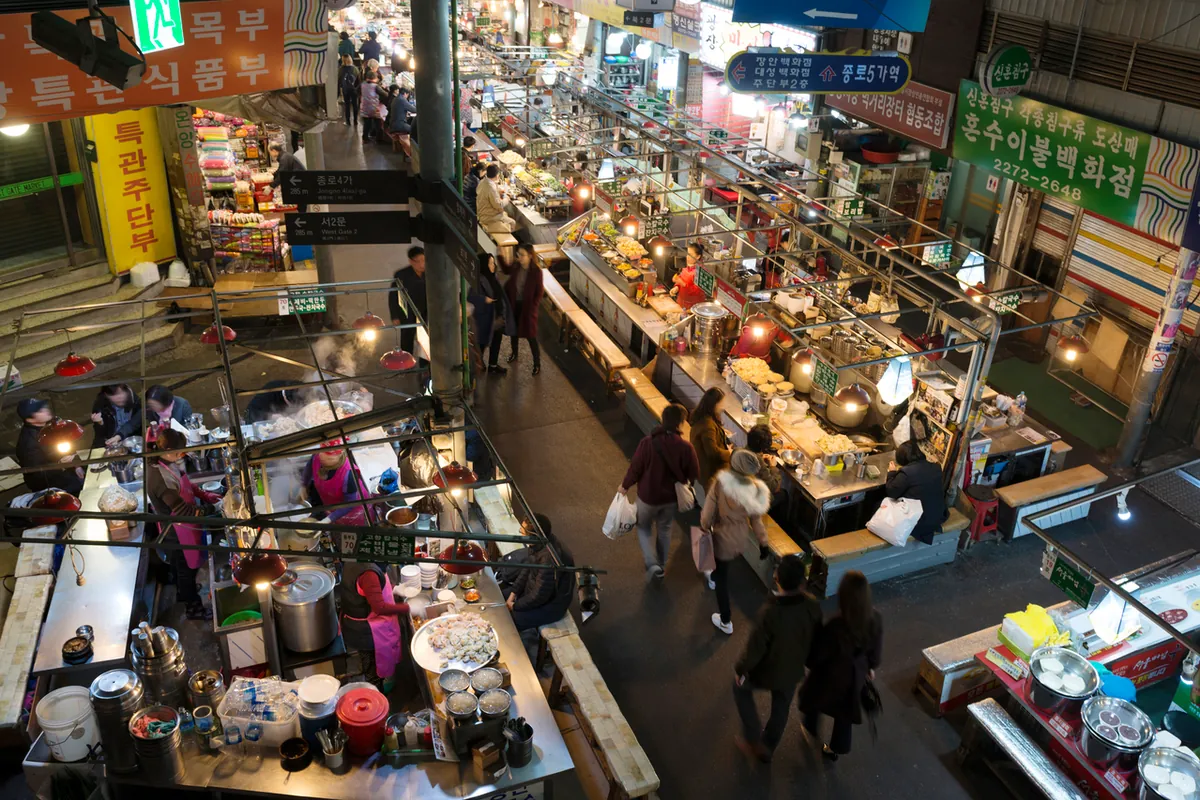
Walk one full aisle before sitting. Notice which counters specialize, where prices are displayed, whether seating is comfortable and how food is being handled. A busy stall can indicate turnover, but crowd size is not a guarantee of quality or hygiene. Choose based on what you can observe and your own comfort.
At the counter, greet the vendor, point to the displayed item or use its Korean name, show the number of portions and confirm the price before preparation. If you plan to share, say so early so the vendor can provide appropriate dishes when possible. Pay by the method the stall accepts and do not occupy limited seats after finishing.
How to order without blocking the aisle
Decide the dish and quantity before stepping into the narrow service space. Keep your group together, but let one person place the order while the others wait where the vendor directs. Confirm whether a plate is one portion or intended for sharing, especially before adding several fried foods. If every seat is occupied, ask whether you should wait, take the food away or choose another counter. This simple pause protects the working lane and prevents a hurried order from becoming a much larger meal than planned.
For cooked food, watch for a portion that is prepared or reheated fully and served promptly. If you are uncertain about holding temperature, cleanliness or an ingredient answer, it is reasonable to skip that stall. The market offers many alternatives, and no single dish is essential to a successful visit.
Cash, cards and menu language
Official listings say cards are accepted at the market, but payment capability can differ by stall, terminal or temporary outage. Carry a modest amount of Korean won as backup and keep larger cash separate. Never accept an unclear conversion or hand over an unlocked phone for a payment you do not understand.
Menus may include English, photographs or translated names, but not universally. Save Korean dish names and dietary sentences offline. A translation app can clarify a direct question; it cannot certify an allergen-free kitchen. For general money and connectivity preparation, review first time in Seoul.
Dietary needs and food safety
Traditional market cooking uses shared griddles, knives, broth, oil and serving tools. Travelers with severe allergies should treat cross-contact as plausible unless the seller can confidently explain otherwise. Ask one specific ingredient at a time and keep an alternative restaurant with clearer controls.
Vegetarian: ask about meat, anchovy or other seafood stock, fish cake and egg.
Halal: do not assume meat source or alcohol-free seasoning; seek a clearly verified option.
Gluten: soy sauce, batter, noodles and shared oil can contain or contact wheat.
Shellfish: ask about broth, pancake mix, shared griddles and utensils.
Raw food: decide based on personal health risk and observable handling, not popularity.
Choose food that is cooked thoroughly and served hot when that is your risk preference. Use hand sanitizer after handling cash but before eating, keep raw and cooked items separate, and stop eating a dish that seems improperly held. Seek appropriate medical help for severe allergic symptoms or serious illness rather than relying on travel advice.
Market etiquette that makes the visit easier
Do not film a vendor or close-up customer without permission. Keep bags out of the working aisle, watch hot pans and follow the counter's seating direction. A market stall is a small workplace, not a studio set. Order clearly, pay promptly and make room when you finish.
Avoid bargaining over prepared food with a displayed price. At retail sections, practices differ, but politeness and a clear decision matter more than performing a negotiation. Dispose of waste where directed; do not leave cups or skewers at an unrelated counter.
What should you pair with the market?
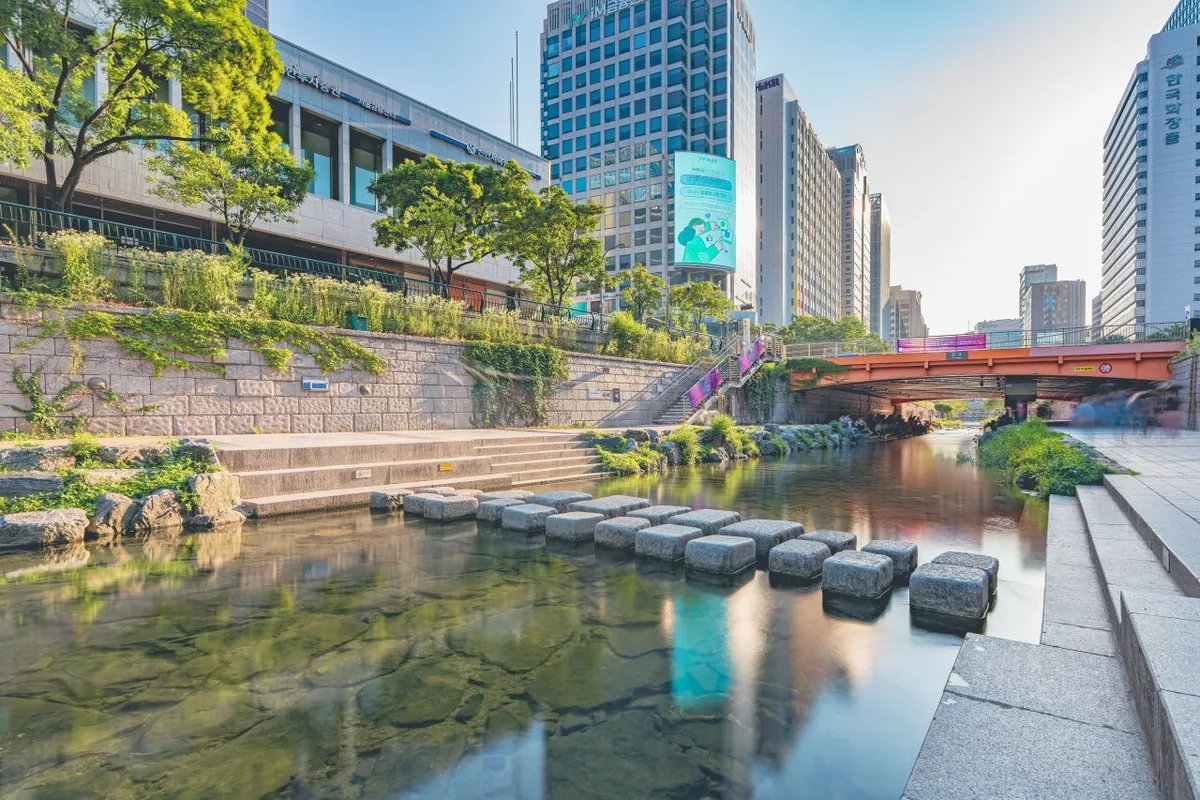
Gwangjang sits between major central-Seoul districts. Jongmyo, Cheonggyecheon and Dongdaemun are natural geographic pairings, subject to their current access and operating days. Choose one before or after the meal. A palace morning plus market lunch works; a full palace, Bukchon, market and Dongdaemun marathon does not.
Travelers who want deeper explanation can join a market walk or cooking activity, but should review what is included, group size and dietary support. The food tours and cooking classes guide compares formats. Independent visitors do not need a tour to eat well; they need a small plan and willingness to skip a dish.
A first-timer order plan
Arrive before peak hunger and walk the main food aisle once.
Choose bindaetteok or another cooked dish as the anchor.
Add mini gimbap or dumplings as a smaller contrasting item.
Choose yukhoe only if everyone sharing accepts raw-food risk.
Buy a drink or dessert after assessing fullness.
Leave time for one nearby sight rather than a second full market meal.
Frequently asked questions
What food is Gwangjang Market famous for?
Official Seoul guides highlight bindaetteok, mini gimbap and yukhoe, alongside dumplings, tteokbokki, assorted jeon and other market dishes. The best first order balances a filling cooked dish with one small snack.
Is Gwangjang Market open on Sunday?
Different sections have different schedules. Current official listings indicate that the food street operates when some general or specialty sections close, but individual stalls vary. Check the official page for your date.
Do stalls accept cards?
Official visitor information says cards are accepted, but individual capability and outages can vary. Carry some Korean won as backup, confirm the price before ordering and keep the payment process visible.
Is Gwangjang Market good for vegetarians?
Some dishes can be adapted or appear plant-based, but meat, seafood stock, egg and shared surfaces are common. Ask specific ingredient questions and use a verified alternative if strict avoidance is essential.
Last verified: August 30, 2026 by the TipsKorea editorial team. Stall schedules, menus, prices and payment methods vary; confirm current market information and ask vendors directly.
Frequently Asked Questions
What should a first-time visitor eat at Gwangjang Market?
Start with a shared bindaetteok, then add mini gimbap or dumplings. Choose yukhoe only if everyone accepts the risks associated with raw beef and egg.
Is Gwangjang Market open on Sundays?
Sections keep different schedules. Official listings currently distinguish the food street from general and specialty shopping, and individual stalls may vary. Check before travel.
Can you pay by card at Gwangjang Market?
Official information says cards are accepted, but individual stalls and terminals vary. Carry a modest amount of Korean won as backup and confirm the price first.
Can vegetarians eat at Gwangjang Market?
Options exist, but hidden meat or seafood stock, egg and shared surfaces are common. Ask specific questions and keep a clearer alternative for strict dietary needs.
Last verified: August 2026 · TipsKorea Editorial


