
Gyeongju becomes manageable when you treat the downtown archaeological landscape and the Tohamsan temple area as separate days. This route gives the history context before the night views and keeps the second day flexible around transport.
This Gyeongju itinerary gives two days to Silla's walkable royal center, mountain temples and an evening palace route.
Is two days enough for a Gyeongju itinerary?
The short answer
Two days are enough for a strong first visit, but not for every UNESCO property, mountain trail, museum and coastal site in Gyeongju. The most rewarding plan combines one compact downtown day with one focused temple day. This creates a clear story: first understand the Silla capital through objects, tombs and the former palace landscape; then see how Buddhist architecture and sculpture developed on Tohamsan. Trying to add Yangdong Village, Namsan hiking and Bomun to the same weekend usually weakens that story.
Why Gyeongju deserves an overnight
The city is sometimes treated as a quick stop between Seoul and Busan, yet its most memorable downtown experience happens as daylight fades across the tombs and reconstructed palace structures begin to glow. An overnight lets you keep that evening and begin Day 2 without another intercity transfer. It also gives the museum, Bulguksa and Seokguram room to be places rather than names on a checklist. If history is not central to your trip, a long guided day may be enough; otherwise, stay.
What this route intentionally leaves out
Yangdong Village represents a later Joseon landscape, Gyeongju Namsan rewards walkers with scattered Buddhist remains, and the coast has its own temples and scenery. All deserve time, but they do not fit comfortably into this first two-day plan without a car. Bomun Tourist Complex can replace a downtown block for families or resort-focused travelers. The route below favors historical coherence, simple evenings and public transport rather than claiming to be a complete list of everything worth seeing.
How do you reach Gyeongju and choose a base?
Understand which Gyeongju Station you are using
The high-speed rail station now named Gyeongju Station was formerly called Singyeongju Station. It is outside the downtown heritage zone, so arrival is not the same as stepping into Hwangnidan-gil. Search the official station name and your date on KORAIL, then plan the bus or taxi onward to your accommodation. Save the Korean hotel address and allow a generous transfer on departure day. Outdated articles and map labels may still use the former station name, which can make an otherwise simple journey confusing.
Arrive from Busan or Seoul without overcommitting
From Seoul, rail is usually the cleanest way to protect sightseeing time. From Busan, train and intercity bus options can both be practical depending on where you are staying and the live timetable. Compare the entire hotel-to-hotel trip rather than the fastest vehicle segment. A short rail journey can still include travel to Busan Station and another transfer from Gyeongju Station. Use our Korea travel essentials guide before booking, reserve early for busy dates, and never rely on a fare copied from an undated itinerary.
Stay downtown for the easiest first trip
The Hwangnidan-gil, Daereungwon and intercity-terminal area is the most convenient base for this itinerary. It gives you restaurants and cafes near the hotel, makes the night walk easier and reduces the consequences of a missed local bus. A hanok-style stay can add atmosphere, but compare soundproofing, bedding, bathroom layout, stairs and luggage storage just as carefully as appearance. For a useful booking checklist, adapt the questions in our Seoul hotel guide to Gyeongju.
Choose Bomun only for a Bomun-led trip
Bomun Tourist Complex offers larger hotels and resort facilities, which can suit families, drivers and travelers who want the property to be part of the break. It is less convenient for wandering from dinner into the historic center at night. If you stay there, map every bus or taxi leg in advance and consider moving the museum or Donggung to match your transport. Do not choose Bomun merely because a hotel looks close to central Gyeongju at the scale shown on a booking map.
Day 1: How do you walk through the Silla capital?
Morning: begin with context at Gyeongju National Museum
Start at Gyeongju National Museum if your arrival time permits. Its Silla galleries turn the rest of the city from attractive mounds and stonework into evidence of a sophisticated capital. Focus on the history and art galleries, the Wolji material and the outdoor displays rather than trying to read every label. Permanent exhibitions are generally free, while special programs or gallery access can change. Check the museum's current notice page because temporary closures can affect individual rooms even when the museum itself is open.
Late morning: move to Daereungwon and Cheonmachong
Daereungwon's grass-covered royal and elite tombs form one of the city's defining landscapes. Walk the paths slowly and enter Cheonmachong if it is open; it is the tomb in the complex designed for visitors to see an interior presentation. The wider park and the ticketed interior do not always share identical access rules, so check the latest notice rather than assuming one admission covers everything. Avoid climbing, touching or using the burial mounds as photo props. These are protected graves, not decorative hills.
Lunch: use Hwangnidan-gil as a rest stop
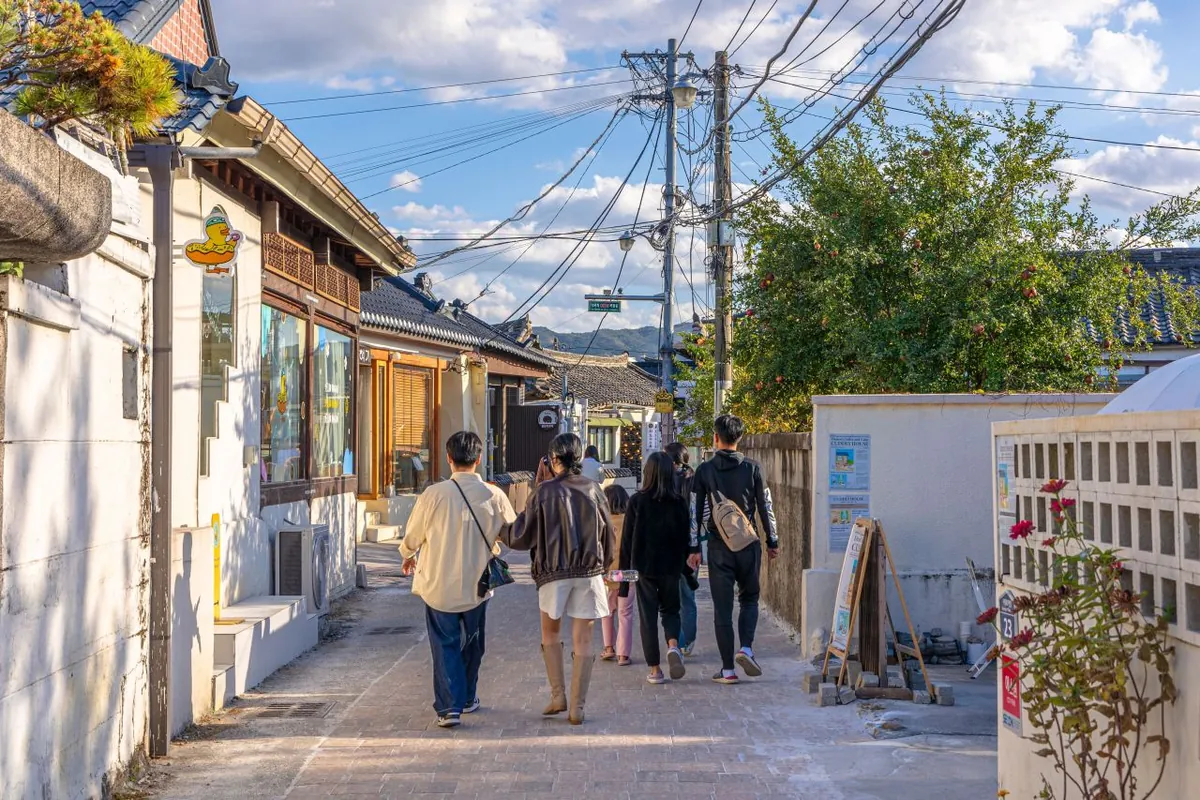
Hwangnidan-gil and its surrounding lanes place cafes, restaurants, small shops and renovated hanok beside the ancient tomb zone. Use the area for lunch and a seated break, not as a second full attraction list. Queues and business hours change quickly, so choose from what is genuinely open and appealing that day. If the main street feels crowded, walk one or two side streets before deciding. Protect your energy for the archaeological landscape and evening rather than waiting an hour for a single social-media-famous menu.
Afternoon: Cheomseongdae, Gyerim and Woljeonggyo
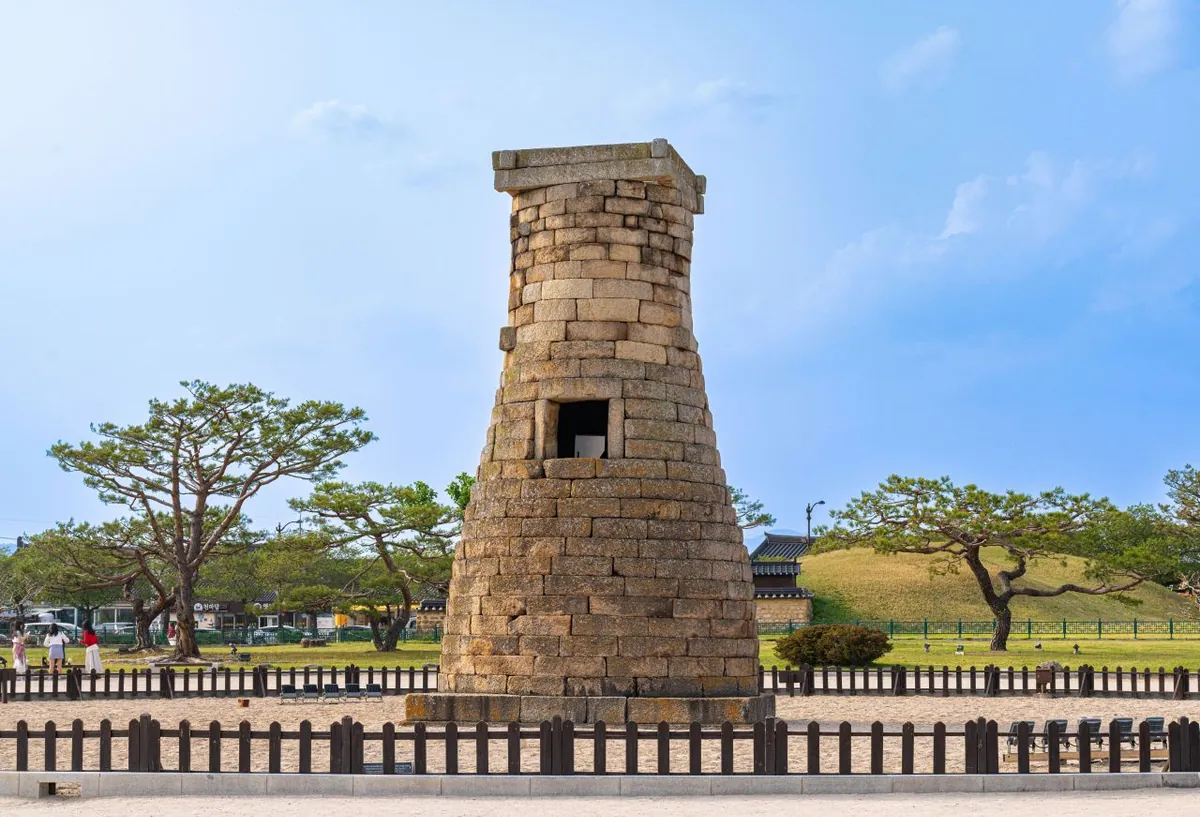
Continue east through the connected historic area toward Cheomseongdae, Gyerim Forest and Woljeonggyo Bridge. UNESCO describes the wider Gyeongju Historic Areas as a concentration of Buddhist art, architecture, royal tombs and palace remains from Silla; walking is the best way to feel that concentration. The stops are close enough to link, but the total standing and walking adds up. Take shade and water in summer, keep to marked paths, and shorten the loop if heat, rain or mobility makes the full route uncomfortable.
Evening: finish at Donggung Palace and Wolji Pond
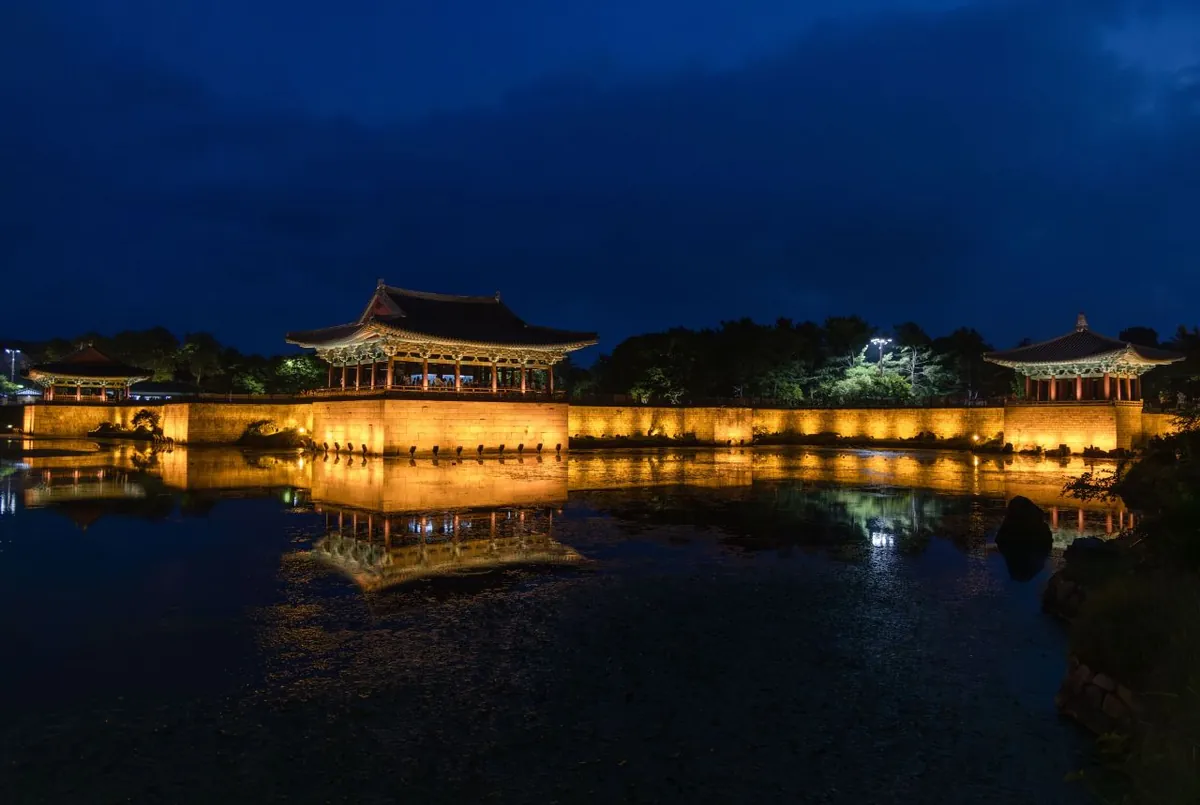
Donggung and Wolji is the deliberate night finish. The secondary palace and artificial pond help visitors imagine the royal court beyond the tombs, and the illuminated structures reflected in the water create a strong visual ending. Arrive before full darkness if you want to watch the scene change, but do not assume the lighting time or last admission from an old article. Check the city notice, respect photography restrictions and leave quietly. Take a taxi or bus back if another long walk would turn enjoyment into fatigue.
Day 2: How do you visit Bulguksa and Seokguram without rushing?
Start early at Bulguksa
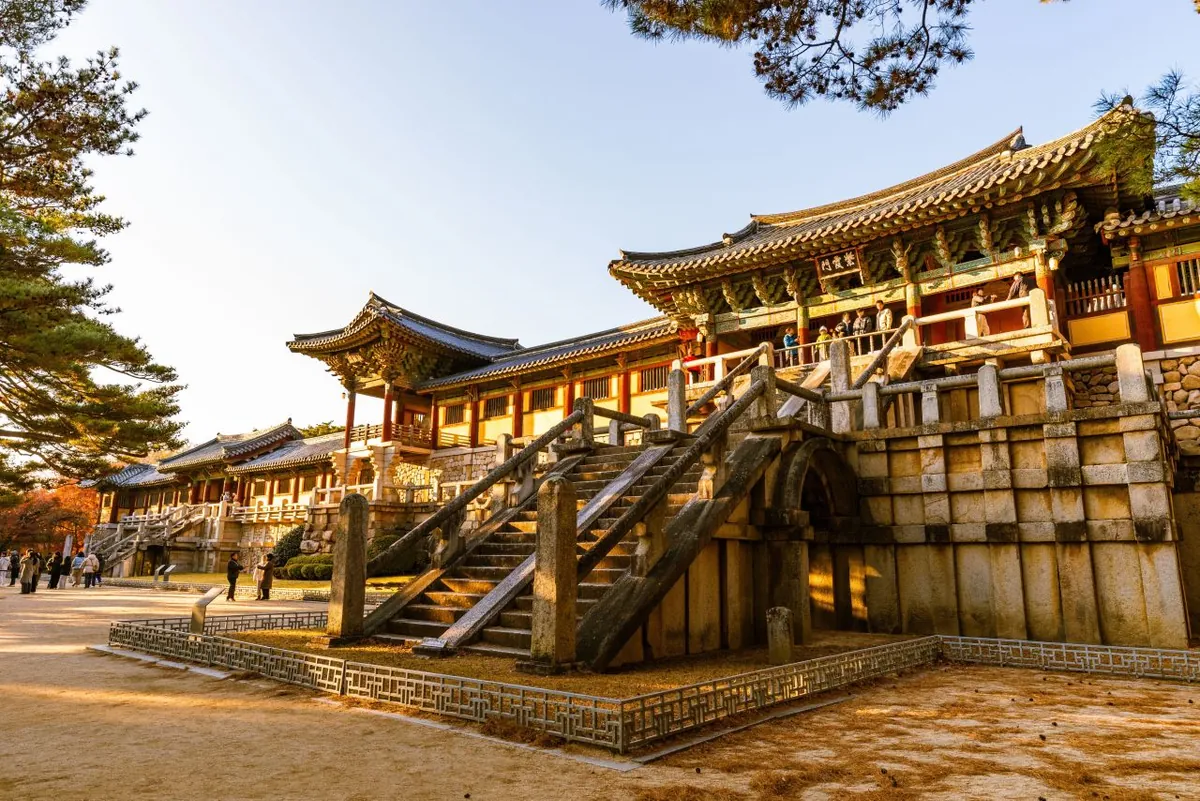
Bulguksa is not simply a scenic temple stop. Together with Seokguram, it is a UNESCO World Heritage property representing Silla Buddhist architecture and art. Begin early enough to walk the terraces, gates, courtyards and stone pagodas before your attention is pulled toward the next transfer. Dress and speak respectfully because it remains a religious place. KTO currently lists general admission as free, but parking, programs and operating details can change; check the temple and official tourism notices shortly before the visit.
Add Seokguram only after checking the connection
Seokguram sits higher on Tohamsan and is separated from Bulguksa by a substantial road journey or a roughly three-kilometer hiking route. The local connection can be infrequent, so check the current bus before committing. The grotto protects a granite Buddha ensemble behind glass; expectations should center on the cultural achievement and mountain setting, not unrestricted close-up photography. Fog, ice, heat or heavy rain can make the additional journey less rewarding. It is acceptable to give Bulguksa more time and omit Seokguram.
Use Bus No. 10 as a corridor, not a promise
Gyeongju City promotes Bus No. 10 as a useful line linking central and eastern visitor areas, including the Bulguksa direction. That makes it a helpful planning spine, but route variants, stop names and service intervals still require live confirmation. Note that similarly numbered services may not follow the same path. Save the correct direction and destination in Korean, signal your stop early, and keep a taxi alternative for a tight departure. Our transport-card guide covers the card setup before you travel.
Return downtown before choosing an extra stop
Once you return, decide according to time rather than the original wish list. If you missed the museum, use it as the final major stop when the current hours allow. If you already visited, choose a relaxed meal, a last Hwangnidan walk or direct travel to the station. Bomun, Namsan and Yangdong are not sensible last-minute additions before a reserved train. Collect your luggage early and leave room for the transfer to Gyeongju Station, especially on weekends or during events.
What history should you understand before visiting?
Think in landscapes, not isolated monuments
Gyeongju was the capital of Silla, and its importance is visible through groups of sites rather than one surviving palace. Tomb clusters, the Wolseong palace area, religious remains on Namsan, and temple art around Tohamsan together show how political, ceremonial and spiritual life occupied the region. The UNESCO inscription specifically recognizes this concentration and its significance for Buddhist and secular architecture. That is why the Day 1 walk matters: the distance between sites is part of the historical evidence, not just a route between attractions.
Let the museum correct visual assumptions
The green mounds may appear simple from outside, but objects recovered from Silla tombs reveal international connections, metalworking skill and elaborate beliefs about rank and death. Materials excavated around Wolji also help reconstruct court life that the present ruins cannot show alone. Read labels before repeating familiar claims such as calling Gyeongju a Korean version of another country's historic capital. Gyeongju has its own chronology and cultural context, and precise explanation is more useful than an easy comparison.
Where should you eat and pause in Gyeongju?
Avoid turning local food into a rigid ranking
Gyeongju is associated with Hwangnam bread, ssambap meals and other regional foods, but individual restaurants change faster than heritage sites. Build meal zones into the itinerary instead of promising one permanent best restaurant. Hwangnidan-gil is useful on Day 1, while Bulguksa and Bomun have their own dining clusters on Day 2. Check ingredients when allergies, vegetarian needs or religious restrictions apply. A famous bakery item may contain ingredients or be produced around allergens that are not obvious from its English name.
Use cafes to manage heat and walking
A cafe break near Hwangnidan-gil can be functional rather than indulgent: refill water, cool down, check bus information and decide whether your legs are ready for the full night route. Historic-center businesses can be crowded on weekends, so keep several options instead of joining the longest line by default. Do not carry uncovered drinks into museums, temples or protected areas. The most memorable Gyeongju evening is usually created by good pacing, not by completing every food trend before sunset.
How should this itinerary change with season or mobility?
Heat, rain and winter conditions
In hot weather, move the exposed tomb and field walks toward morning or late afternoon and use the museum during peak heat. In rain, prioritize the museum, shorter heritage walks and covered breaks; stone and wooden surfaces can become slippery. Winter brings clear views but shorter daylight and possible ice around Tohamsan. Autumn and cherry-blossom periods draw crowds, yet exact foliage and flowering dates cannot be guaranteed. Check forecasts, closures and traffic rather than planning around last year's photographs.
A lower-walking version
For reduced mobility, keep the museum, one accessible section of Daereungwon, a vehicle stop near Cheomseongdae and Donggung, then use taxis between zones. On Day 2, ask each site directly about the current accessible approach because slopes, gates and surfaces differ. Seokguram's mountain setting and final approach deserve particular attention. Accessible parking or a symbol on a listing does not guarantee that every historic structure is step-free. Build the route around the traveler's actual needs and allow more rest.
What should you confirm before going to Gyeongju?
Book live intercity transport and confirm that your ticket uses Gyeongju Station, the KTX station formerly named Singyeongju.
Check museum gallery notices, heritage opening information and the current illumination or last-entry details for Donggung and Wolji.
Verify the correct local bus variant and direction before traveling to Bulguksa or Seokguram.
Arrange luggage storage and work backward from your departure time before adding a final museum, cafe or market stop.
Save official pages and Korean place names offline, and keep one weather-safe alternative for each day.
Last verified: August 16, 2026. We checked this route against Gyeongju City, KORAIL, the Gyeongju National Museum, UNESCO and current KTO listings; verify live notices before visiting.
Frequently Asked Questions
Is two days enough for Gyeongju?
Yes. Use one day for the downtown Silla heritage landscape and one for Bulguksa and, when practical, Seokguram. Add another day for Yangdong, Namsan or the coast.
Can you follow this Gyeongju itinerary without a car?
Yes. Downtown is highly walkable, while buses and selective taxis connect the station and eastern temple area. Check live routes because similar bus numbers and service intervals can cause confusion.
Should I visit Gyeongju from Busan as a day trip?
A focused day trip can cover central heritage or Bulguksa, but an overnight is better if you want both areas and the illuminated nightscape without compressing the history into quick stops.
Is Singyeongju Station the same as Gyeongju Station?
The high-speed rail station formerly called Singyeongju is now named Gyeongju Station. It remains outside the downtown heritage center, so plan a local bus or taxi transfer.
Last verified: August 2026 · TipsKorea Editorial


