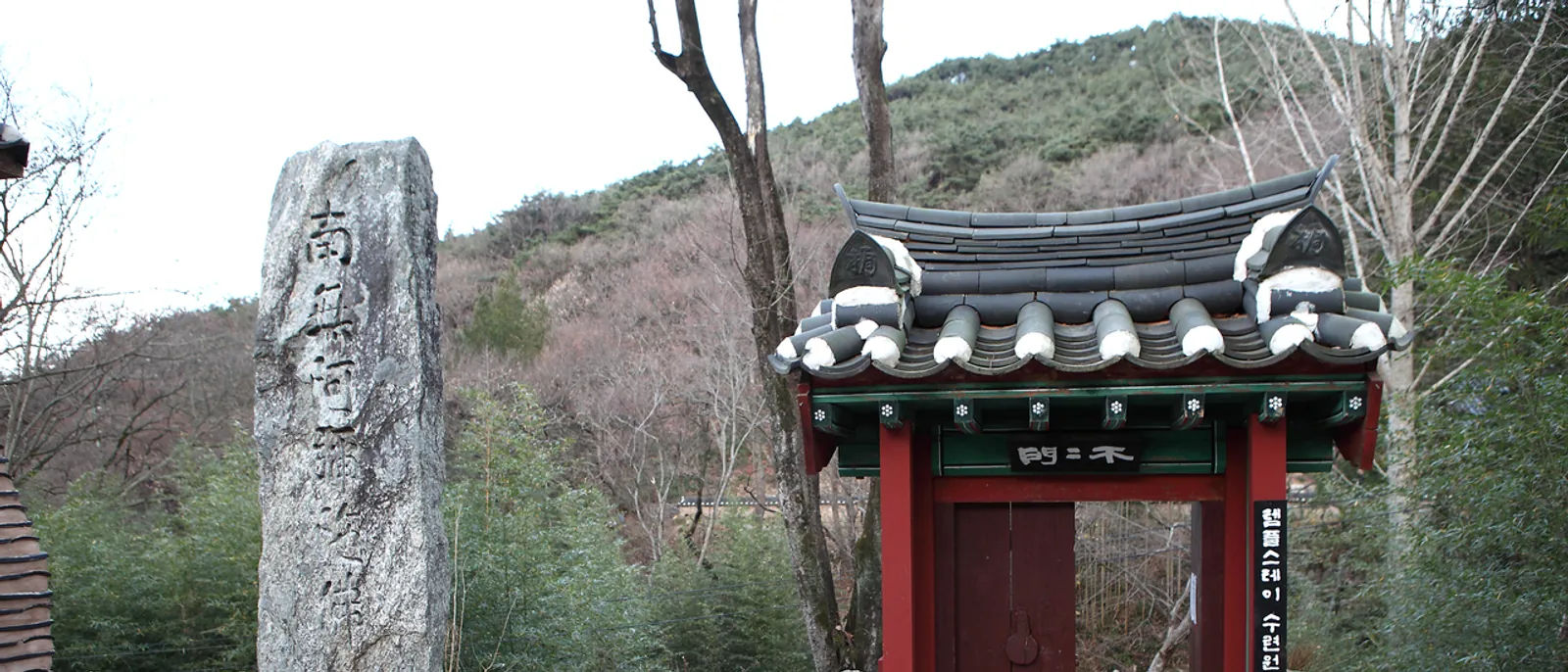
A temple stay is not a standardized hotel product. The official program connects visitors with active Buddhist temples, and each listing defines its own language, timetable, rooms, activities and participation rules.
Which temple-stay format fits?
| Option | Best for | Likely focus | Verify |
|---|---|---|---|
| One-day | Limited time or first contact | Selected activity without overnight | Language, arrival point and end time |
| Experience-oriented | Visitors wanting a structured introduction | Listed ceremonies, meditation or cultural activities | Required participation and physical demands |
| Rest-oriented | Quiet time with less programming | Personal rest within temple rules | Meals, check-ins and any mandatory elements |
These are booking categories, not universal schedules. The exact official listing controls your stay.
This Korea temple stay for foreigners guide helps you choose an official program and enter a living religious community with realistic expectations.
What is a Korean temple stay?
Templestay is an official cultural program offered through participating Korean Buddhist temples. Visitors may encounter meditation, ceremonies, monastic meals, tea, walking, craft or rest, but no activity is universal. The official platform publishes individual listings with dates, schedules, fees and eligibility. Read that page as the contract for your visit. A general article can explain the framework; it cannot promise what one temple will do next month.
The temple remains a religious site before, during and after the visitor program. Monastics, staff, worshippers and local participants may use the same spaces. That makes the experience different from a themed hotel or wellness retreat. Silence, clothing, food, photography and movement rules serve the community, not only the guest. Travelers who want unrestricted nightlife, private luxury or a flexible late arrival should choose conventional accommodation.
You do not need to present yourself as Buddhist to use a visitor program unless the listing states a specific eligibility rule. You do need to approach the practices respectfully and follow guidance. Participation does not require pretending to hold beliefs you do not hold. When a bow, chant or ceremony raises a question, ask the program coordinator how visitors are expected to take part.
How should foreigners choose a temple?
Start with the official foreigner-friendly filter
The English Templestay platform includes filters for temples that serve foreigners and for program categories. Use those tools instead of selecting a temple from an undated list. A foreigner-friendly label is a useful first signal, not a guarantee that every departure has full English interpretation. Open the exact program date and look for the listed language. Contact the temple when the description remains ambiguous.
Choose geography second. A Seoul temple can be easy to reach and works well for a one-day introduction. A mountain or regional temple may offer a deeper change of pace, but transport can involve an intercity journey, local bus, taxi or uphill walk. Confirm the final connection and arrival deadline before booking the stay. Our seven-day Korea itinerary can help decide whether the detour fits the wider trip.
Choose the program before the temple's fame. A UNESCO-associated or historic temple may have a beautiful setting while the available date offers a schedule that does not suit you. Conversely, a less famous temple may publish clear English support, suitable rooms and the activities you want. Compare the current listing, not only photographs of the buildings.
Which program type should you book?
A one-day program is best when you want cultural contact without sleeping at the temple. It can reduce transport and room uncertainty, but still requires punctual arrival and respectful clothing. Confirm the meeting point and end time because the public temple entrance and program office may not be the same place.
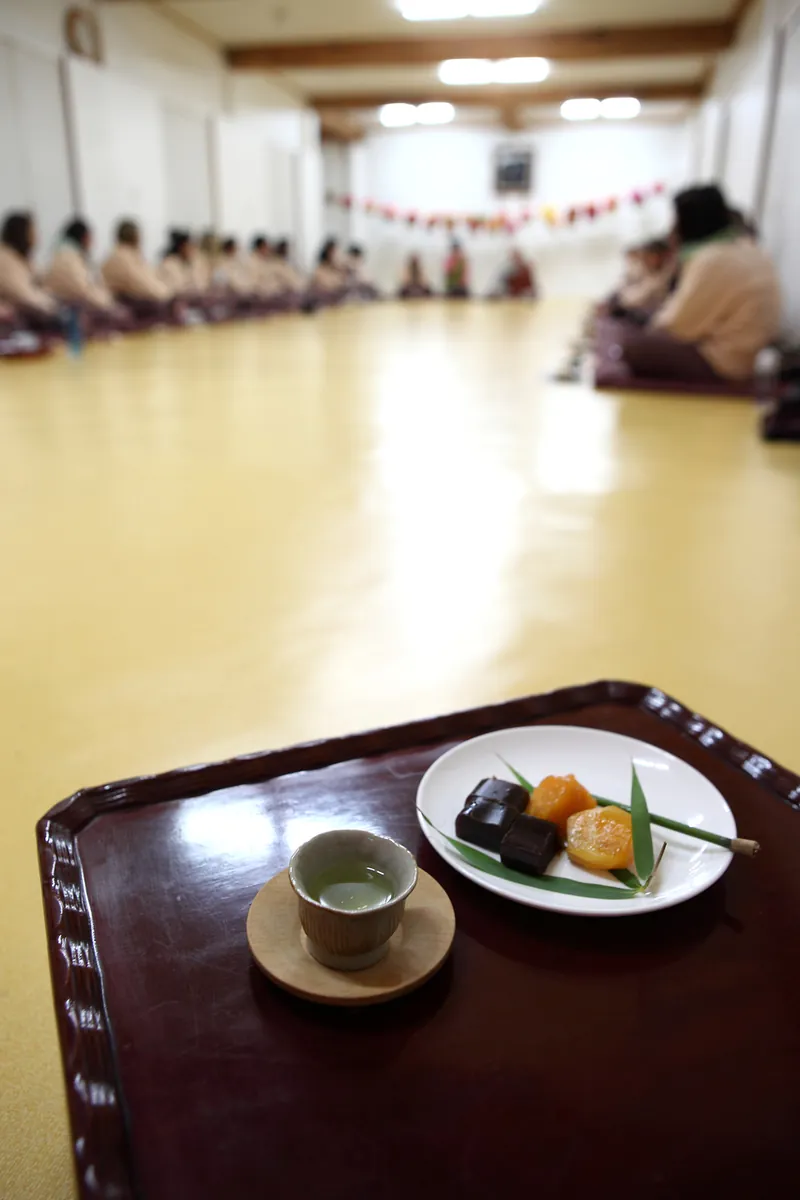
An experience-oriented stay suits visitors who want a structured introduction. The listing may include meditation, chanting, temple etiquette, tea or another guided practice. Do not assume all activities are optional. Read the timetable, ask about physical demands and decide whether early or repeated sessions fit your group. A dense program can be rewarding, but only when the traveler intends to participate.
A rest-oriented stay generally leaves more personal time, yet it is not permission to ignore temple rules. Check which meals, orientations or ceremonies remain required. Quiet time can be more valuable than collecting activities, particularly after a busy city itinerary. The category name is only a summary; the detailed official schedule controls.
What should you verify before payment?
Confirm the program language, check-in window, end time, cancellation policy, room arrangement, bathroom setup, bedding, age rules and luggage limitations. Ask whether rooms are shared and whether grouping is separated under the temple's current policy. Solo travelers should not assume a private room. Families should confirm that every child meets the program requirements and can follow the schedule.
Ask about stairs, slopes, floor seating, walking surfaces and accessible toilets if mobility matters. Historic buildings can be difficult to adapt, and an accessible parking area does not prove an accessible room or ceremony hall. Explain the need precisely rather than asking only whether the temple is accessible. The coordinator is best placed to describe the current route.
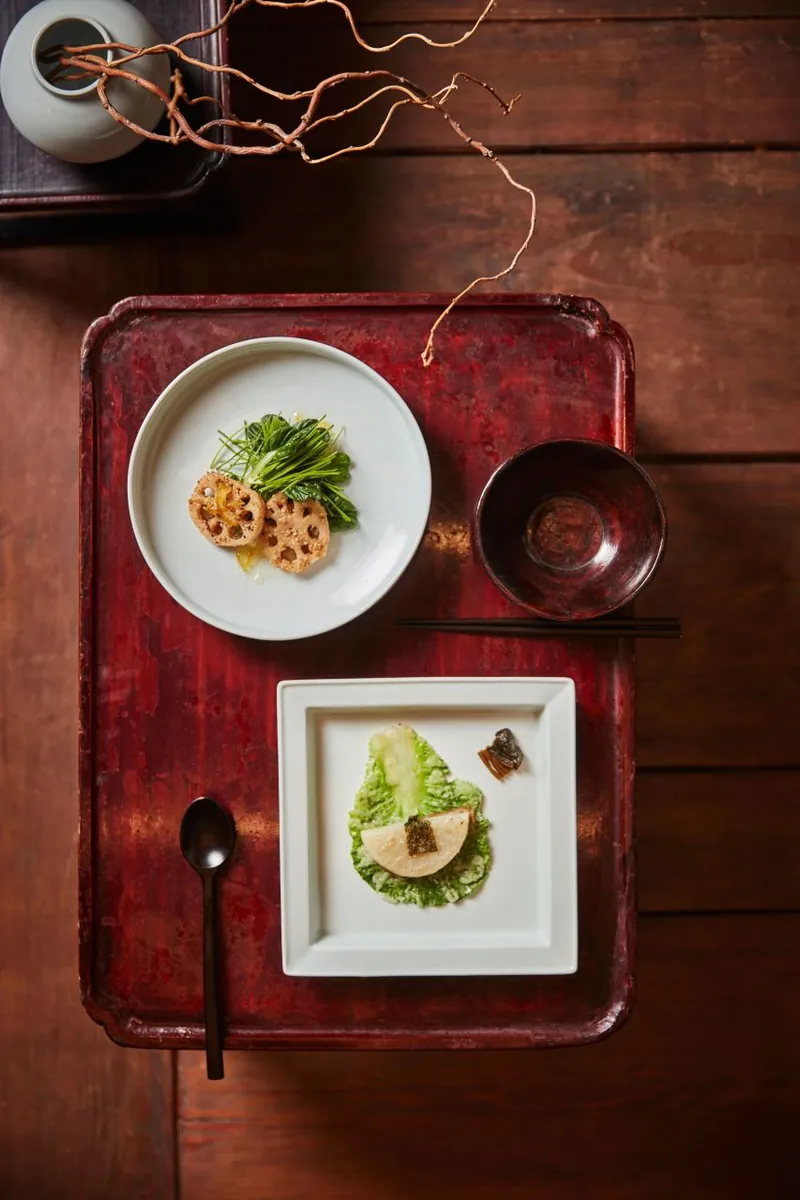
Confirm meals and dietary communication. Temple food is commonly plant-focused, but a general label cannot answer every allergy, ingredient or cross-contact question. Tell the temple about medically significant allergies before booking and ask what accommodation is possible. Do not arrive expecting a kitchen to redesign a communal meal without notice. Carry necessary medication and an approved backup when appropriate.
What etiquette should visitors follow?
Wear modest, practical clothing that covers the body appropriately and supports sitting or walking. The program may provide a uniform; ask what should be worn underneath and return it as directed. Remove shoes where instructed, keep voices low and place phones on silent. Avoid public displays or behavior that disrupts worship. Alcohol, smoking and outside food rules should be read on the listing and followed on site.
Photography permission is location- and moment-specific. A courtyard that allows photographs does not establish permission inside a hall, during worship or around residents. Ask before photographing people, ceremonies, altars or private spaces. Never fly a drone or set up intrusive equipment without explicit authorization and compliance with law. The absence of a prohibition sign is not consent.
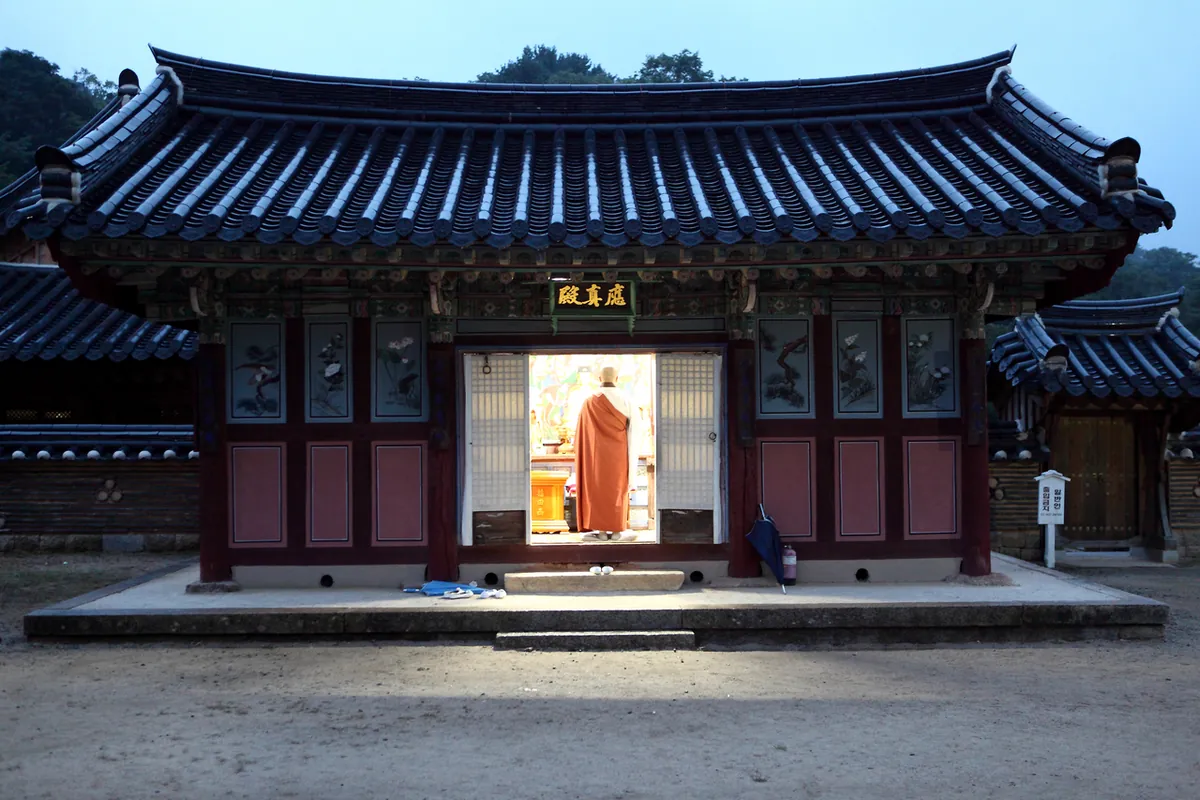
Follow the coordinator's explanation for bows, seating and movement in a hall. Do not point feet toward sacred objects, step into controlled areas or touch ritual items unless invited. When unsure, pause and observe. Courtesy matters more than performing every gesture perfectly. A sincere question is preferable to copying another visitor without context.
What should you pack?
Bring a small bag, simple sleepwear if permitted, clean socks, basic toiletries, weather layers and any personal medication. Pack shoes suitable for slopes or forest paths. A towel, bedding and toiletries may or may not be supplied; check the listing. Keep luggage minimal because rooms and storage can be simple. Our Korea travel essentials guide covers general connectivity and payment preparation.
Leave expensive jewelry and noisy equipment elsewhere. Bring cash only if the temple specifically requires an on-site payment, and retain booking confirmation offline. Mobile reception can vary at mountain temples. Save the temple name, address and coordinator contact in Korean, but do not rely on making a late call to excuse a missed check-in.
How should you plan arrival and departure?
Work backward from the stated check-in. Include intercity travel, the final local connection, walking uphill and a meal if the program does not begin with food. Arrive early enough to find the office without interrupting staff. If severe weather or transport disruption makes punctual arrival impossible, contact the temple through its official channel and follow the response. Do not enter private areas searching for someone.
After checkout, keep the next itinerary light. An overnight stay may include a schedule different from your normal sleep pattern, and remote transport may be infrequent. Verify the return route before surrendering a reliable signal. Travelers adding a historic-region temple to a culture trip can use our Gyeongju two-day guide as a geographic reference, while still booking the temple separately.
What if the program is not what you expected?
Raise practical concerns calmly with the coordinator. A changed activity, shared room or simple meal may be consistent with the listing, while an actual mismatch should be discussed through the official program channel. Do not confront monastics or publish identifiable photographs of other participants as a substitute for resolving the issue. Keep the booking page and written correspondence.
The best preparation is choosing a program whose limits you genuinely accept. A temple stay can offer quiet, cultural learning and a rare view of daily religious space, but it is not valuable because a traveler endured discomfort they never agreed to. Read carefully, ask early and participate respectfully.
How should you compare prices and booking terms?
Use the price displayed for the exact official program and date. A one-day activity, an overnight experience and a rest stay do not include the same things, so their fees are not directly comparable. Check whether meals, program clothing, materials or additional activities are included. Do not copy a historic price from a review, and do not send payment through an account that cannot be matched to the official temple or platform process.
Read the cancellation and refund conditions before confirming transport. Regional trains, buses and temple bookings can have separate policies, and one cancellation does not automatically cancel the others. Keep the reservation number and official correspondence. If a third party appears to sell the same stay, verify its authorization and terms; the official Templestay listing remains the clearest source for program details. A lower fee is not useful when the language, room or arrival conditions do not fit.
Last verified: August 30, 2026. We checked the official English Templestay search and KTO overview; verify the exact program date, language, schedule and policies before booking.
Frequently Asked Questions
Can foreigners join a Korea temple stay?
Yes. Use the official platform's foreigner-friendly filter, then confirm that the exact program date provides a language and schedule you can follow.
Do I have to be Buddhist?
Visitor programs generally introduce Buddhist temple culture, but check the exact listing. All guests must respect the religious site and follow program instructions.
Are temple-stay rooms private?
Do not assume so. Rooms, bathrooms and grouping vary by temple and program. Confirm sharing, bedding and facilities before payment.
Is Korean temple food safe for all vegetarians?
A plant-focused menu does not answer every ingredient, allergy or cross-contact question. Contact the temple before booking with precise dietary needs.
Last verified: August 2026 · TipsKorea Editorial


