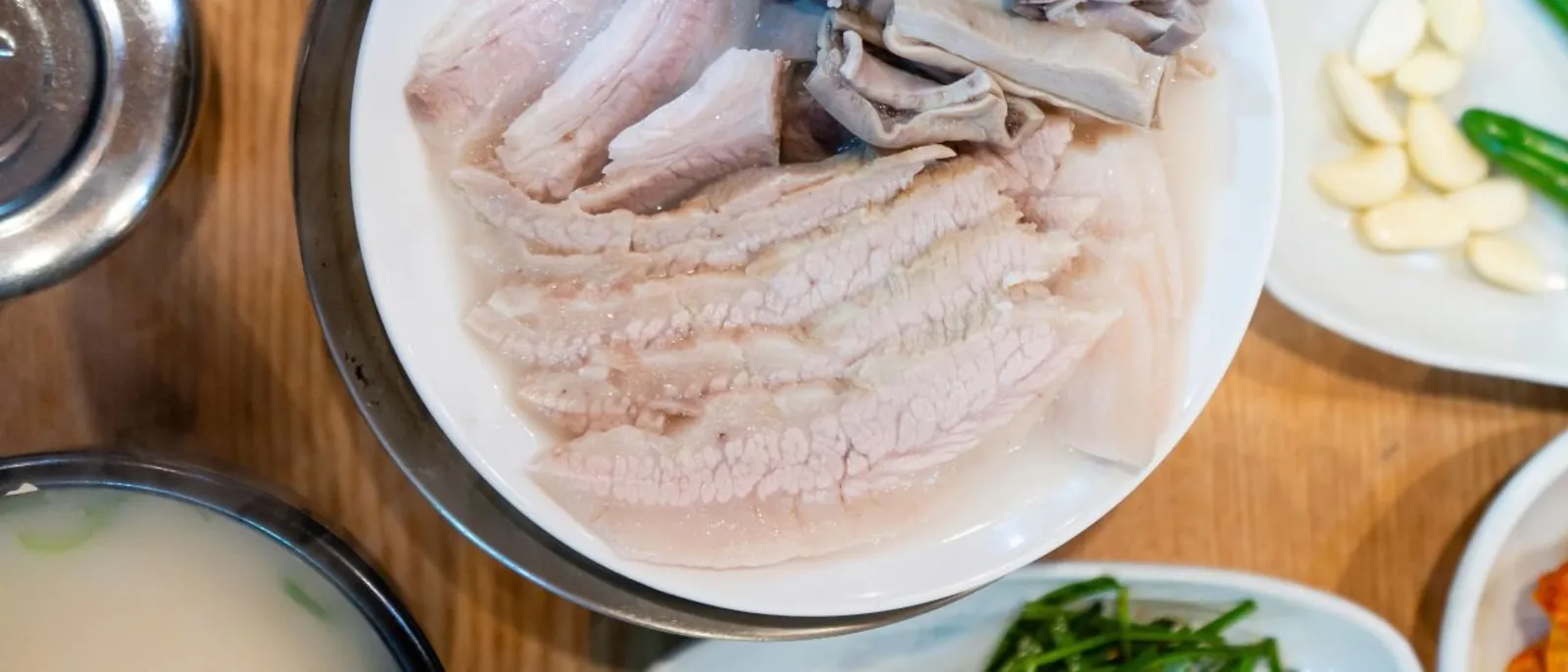
Ordering is easiest when you identify the restaurant's system, read the menu unit rather than only the price, and communicate dietary limits before the kitchen starts.
Where does the order happen?
| Option | Your first move | Useful check | Common mistake |
|---|---|---|---|
| Staff service | Choose the full order, then call staff | Repeat dish and quantity | Calling before deciding |
| Table tablet | Select language if offered | Review cart and final quantity | Treating one tap as one person |
| Kiosk or counter | Order and collect the receipt | Check pickup number or table number | Waiting at a table for staff |
The restaurant's signs and staff override any general pattern. Ask when the ordering point is unclear.
How to Order Food in Korea becomes straightforward once you confirm the menu unit, ingredients and the restaurant's ordering method.
How to Order Food in Korea: a step-by-step process
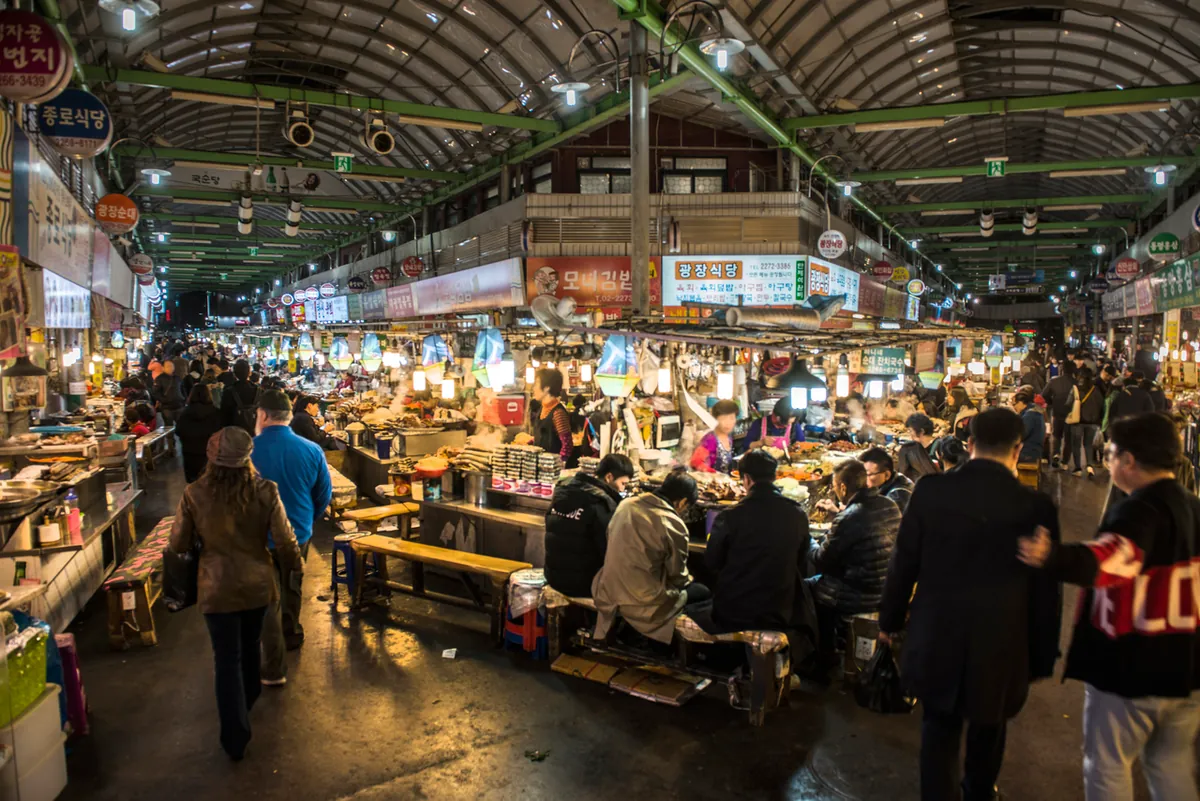
First, identify how the restaurant works. A staffed dining room may give you a paper menu and expect you to use a call button. Another venue may use a tablet at the table, a self-order kiosk near the entrance or counter ordering before you sit. Market stalls may take the order and payment together. Watch what the signs and nearby diners do, but ask rather than copying a process you do not understand.
Second, build the whole first order before calling staff. Choose the menu line, quantity, options and drinks, then point while saying the number. Ask whether rice, noodles or another side must be ordered separately. If a set seems unusually inexpensive or large, confirm whether the price is for one person, one portion or the entire set. This single check prevents more confusion than memorizing a long restaurant vocabulary list.
Third, listen for a repeat-back or review the digital cart. Match the dish name, count and selected options. At a kiosk, save the receipt and note whether the screen assigns a pickup number, asks for a table number or directs you to collect food immediately. At a table, do not assume staff will return for a second confirmation after the order has been transmitted.
A reliable point-and-confirm sequence
Show the exact menu item, not only a photograph from another restaurant.
Hold up the quantity or type it into a calculator when pronunciation is unclear.
Confirm required portions, add-ons and whether rice or drinks are separate.
Show any dietary card before staff finalize the order.
Review the cart, printed ticket or staff repeat-back before preparation begins.
How do Korean menus show portions and prices?
The number beside a dish is useful only when you understand its unit. Look for 1인분, meaning one person's portion; 1개, one item; 한 접시, one plate; or a set description that lists included dishes. Menus can also state 2인 이상, meaning an order starts at two people. Rather than treating those terms as universal serving sizes, ask how many people the listed dish is designed for and whether the restaurant requires a minimum quantity.
Shared stews, barbecue meat and large seafood dishes are especially easy to misread. A menu may show a per-person or per-portion price while the table must order more than one portion. Another restaurant may price a whole small, medium or large dish. Point to the amount and use a short translation to ask whether it is the total. Showing the current menu line and a calculator is safer than relying on uncertain romanization.
Photographs are examples, not guaranteed portion contracts. Garnishes and side dishes change, and a dish with the same English name can have different ingredients. If the menu has no clear English, use camera translation to identify candidates, then confirm the original Korean line with staff. Never order from a translated screenshot without matching it to the restaurant's current menu and price.
Which Korean restaurant phrases actually help?
A few short phrases work because they support pointing and confirmation. 'Yeogiyo' (여기요) means 'excuse me' to get attention; use the call button instead when one is provided. 'Igeo hana juseyo' (이거 하나 주세요) means 'one of this, please,' while 'Igeo du gae juseyo' (이거 두 개 주세요) requests two. 'Jumunhalgeyo' (주문할게요) tells staff you are ready to order. Speak normally and politely rather than shouting across the room.
For choices, 'Igeo maewoyo?' (이거 매워요?) asks whether something is spicy, while 'An maepge haejuseyo' (안 맵게 해주세요) requests a non-spicy preparation. That request is not always possible: a premade sauce or broth may define the dish. Accept a clear refusal and choose another item. 'Mul juseyo' (물 주세요) asks for water, and 'Gyesanhalgeyo' (계산할게요) signals that you want to pay.
Use Korean text for important exclusions. A phonetic phrase can be misheard in a noisy room, and machine translation can turn 'allergy' into 'preference.' Put the ingredient in Korean, state that even broth or sauce is unsafe, and ask staff to confirm with the kitchen. The official VISITKOREA Muslim-friendly guide uses written ingredient-removal phrases for the same reason: the visible card can be checked rather than remembered.
What happens when the food reaches the table?
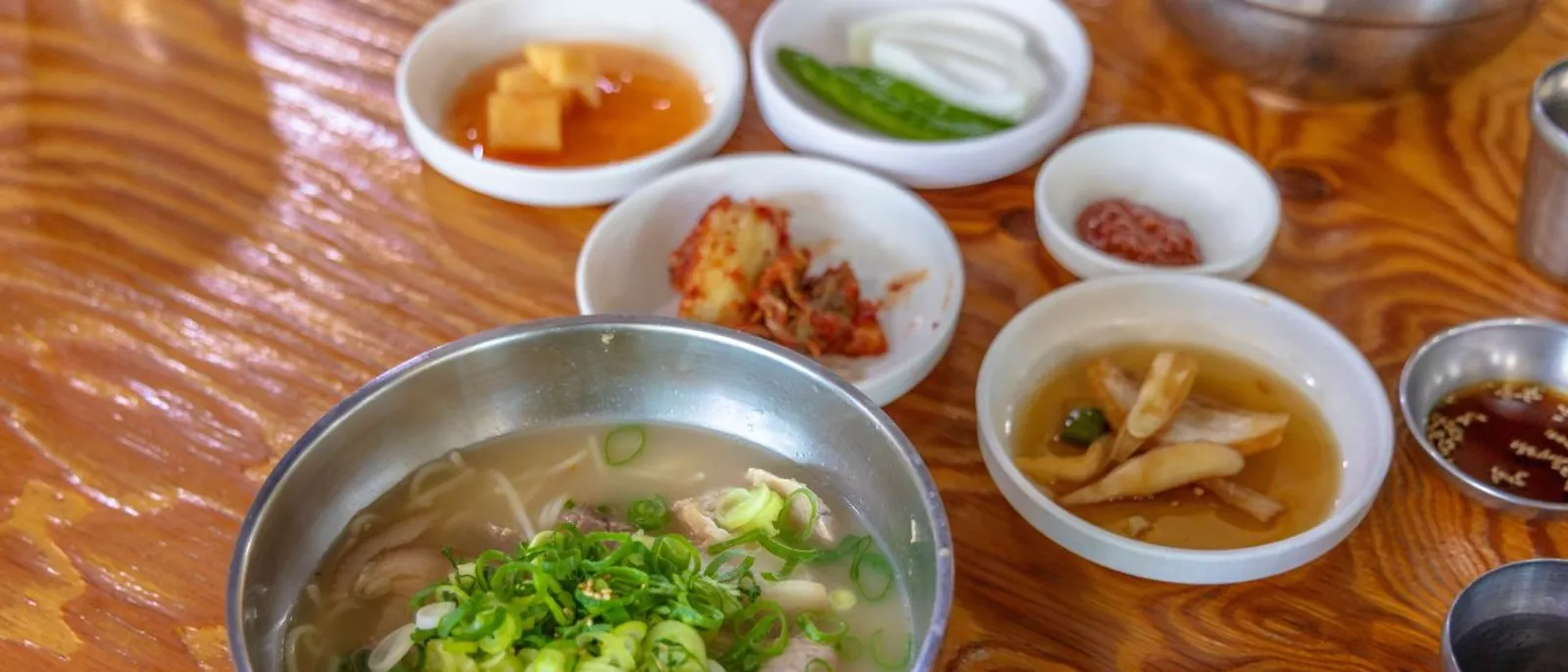
Korean meals often arrive with banchan, small side dishes shared by the table. Rice and soup may be individual while kimchi, vegetables and other sides sit in the middle. Use serving utensils when supplied and keep personal chopsticks out of shared containers when a separate spoon or tongs are available. A spoon is normal for rice, soup and mixing; using it is not a failure of chopstick etiquette.
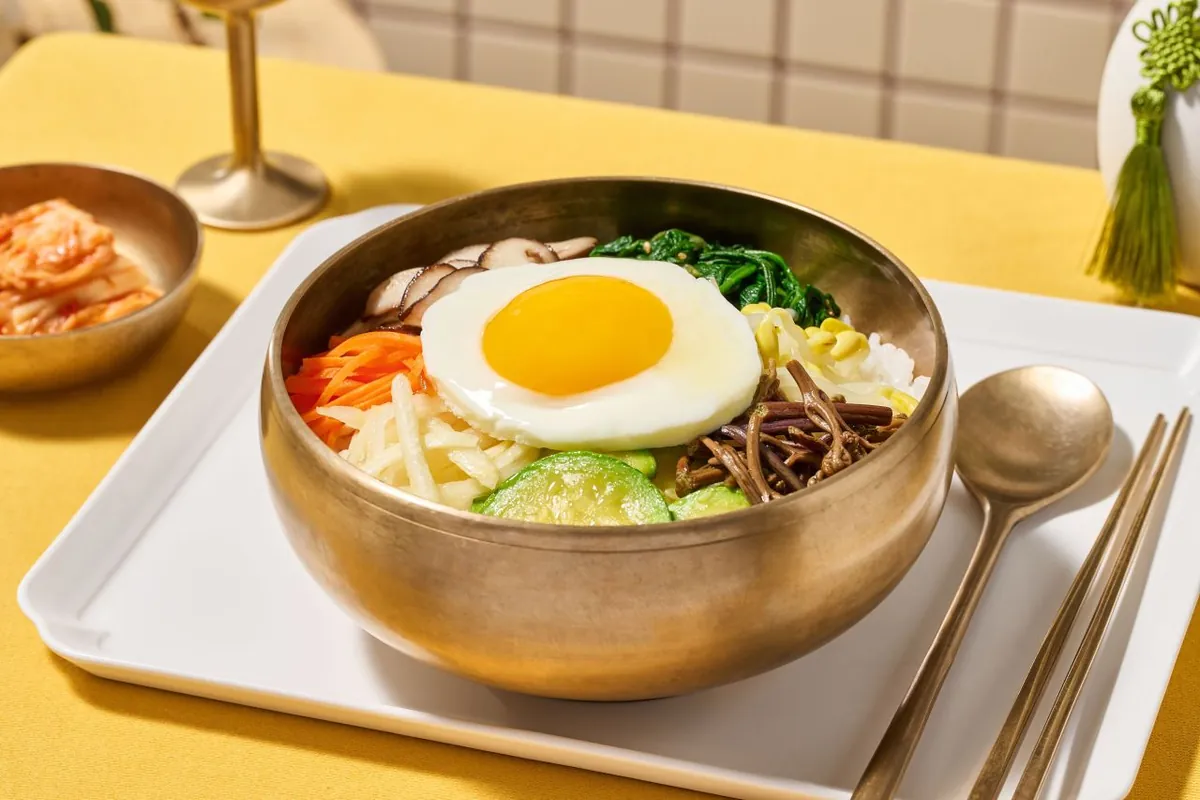
VISITKOREA describes extra water and ordinary side-dish refills as generally provided without an added charge, but many restaurants now make them self-service. Follow the refill sign, take only what the table will eat and never assume a separately listed premium side is free. If there is no self-service station, ask before carrying restaurant dishes around the room.
Food may arrive in stages rather than all at once. Wait briefly, then compare the table with the order and politely ask about a missing item. A bubbling pot or grill can remain dangerously hot; let staff handle fuel, burners and unfamiliar equipment. If staff begin grilling meat, watch their cue instead of moving pieces back and forth. The goal is a safe meal, not performing a rigid version of etiquette.
How should barbecue and shared dishes be ordered?
At a Korean barbecue restaurant, confirm the meat, number of portions and minimum order before cooking starts. The displayed price may apply to one portion, while the table orders several. Check the weight if it is printed, but do not compare restaurants by weight alone because cuts, included sides and service differ. Ask whether stew, rice, noodles or fried rice are separate finishing orders.
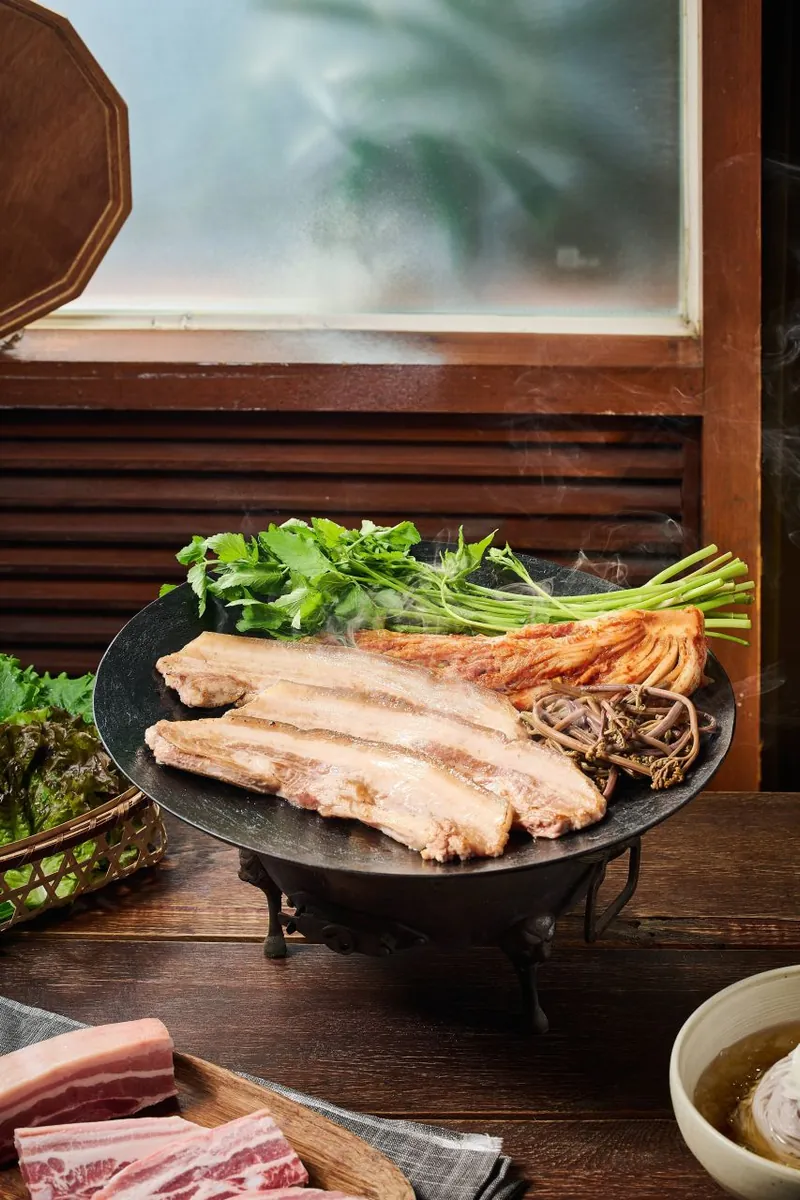
Use the provided tongs and scissors for raw meat, and keep them separate from utensils used to eat. Staff may cook everything, start the first batch or leave the grill to the table. Follow their direction. If smoke or heat is a concern, ask about ventilation or another seat before ordering. Storage stools and apron service are conveniences found in some venues, not promises that apply everywhere.
For a shared hotpot, stew or large fish dish, agree on spice level and ingredients as a group. Ask when noodles, rice or 볶음밥 are added, because the final course may require broth or food to remain in the pan. Do not add every condiment immediately. Taste first, then adjust. Our Busan food guide and Jeju food guide explain how regional dishes and dining formats fit into a travel route.
How can allergy-aware and vegetarian travelers order safely?
An ingredient you cannot see may still be in broth, marinade, kimchi seasoning, dumpling filling, cooking oil or garnish. Removing visible meat does not make a dish vegetarian, and removing shellfish from the plate does not control cross-contact. VISITKOREA advises travelers with dietary concerns to tell staff in advance and give detailed exclusions because restaurants generally follow their established recipes unless a change is requested and possible.
Korea's Ministry of Food and Drug Safety publishes allergen-labeling guidance, but the display obligations highlighted for food-service businesses cover defined products and qualifying large franchise operations. Do not infer that every independent restaurant has a complete allergen matrix. Packaged foods may provide a clearer ingredient label, yet translation and cross-contact warnings still need careful reading.
Carry a professionally translated Korean allergy card that names the exact allergen, explains whether cross-contact is dangerous and reflects your clinician's emergency plan. Show it before placing the order, not after food arrives. Ask whether staff can confirm the broth, sauce and shared equipment, but do not treat the card as proof that a kitchen is safe. If the answer is uncertain, choose a simpler packaged fallback or another restaurant. Our halal food guide for Seoul uses the same verify-first principle for religious dietary requirements.
A severe allergy is a medical risk, not a language challenge to improvise through. Keep prescribed medication with you and know how to contact emergency help. No restaurant article can certify a kitchen, and a staff member's best effort does not eliminate cross-contact. Travelers should follow their clinician's plan and decline a meal when the information is not reliable enough.
How do kiosks, queues and delivery differ?
At a kiosk, begin by checking whether a language button exists. Build the cart slowly, inspect modifiers and make sure the final count has not doubled. Payment acceptance varies by machine and card, so keep another method available. After payment, photograph or retain the receipt and identify whether food is called by order number, collected from a counter or brought to the table.
A restaurant queue may use a paper list, touchscreen or reservation service. Do not enter only an English nickname if the system will announce a Korean phone number you cannot receive. Ask how the queue is called and how long your place remains valid. Some popular venues use reservation or waiting platforms, but walk-in rules belong to the individual restaurant and can change.
Delivery adds an address and handoff problem. Confirm that your accommodation permits outside delivery and whether drivers meet in the lobby. Pin the exact entrance, keep messages available and do not ask a driver to enter a restricted guest area. VISITKOREA lists traveler-oriented reservation and delivery resources, but service zones, languages and foreign-card support change. Check the provider at the time of ordering rather than relying on an old app list.
How do you pay and leave a Korean restaurant?
Look for the payment point before standing up with every bag. Many casual restaurants take payment at the front counter; others bring a terminal to the table or settle through the ordering device. Bring the table number or receipt if staff need it. Compare the item count and total, especially after extra portions, drinks or finishing dishes. Ask calmly about a mismatch while the order is still visible.
Tipping is not normally expected at Korean restaurants, according to VISITKOREA. Pay the stated total rather than adding an imported percentage by default. A service charge at a particular venue should be disclosed through its own menu or bill, so read that venue's terms. Foreign-issued cards can work widely but not universally; keep a second card and some KRW for a legitimate cash-only business.
Return reusable aprons or equipment where directed, check the seat storage for belongings and move away from a busy counter after paying. If the meal was useful, a polite 'Jal meogeotseumnida' (잘 먹었습니다), meaning 'thank you for the meal,' is welcome but not required. Clear communication and respect for the restaurant's process matter more than perfect pronunciation.
What should you do when communication fails?
Reduce the decision to one question at a time. Show the current menu, circle the item, type the quantity and price, and use translation for a short sentence. Avoid handing over a long paragraph while staff are serving other tables. If the restaurant cannot verify a safety-critical request, choose another dish or leave politely; persistence cannot create ingredient knowledge the kitchen does not have.
Save the Korean name and address of a backup restaurant before going out, especially outside major visitor districts. A food plan should include one easy fallback near the day's route rather than depend on a single famous queue. Our Gwangjang Market food guide shows how to confirm price and portion in a busy market setting without turning every stall into a must-eat stop.
The useful habit is simple: observe the ordering system, confirm the menu unit, communicate exclusions before cooking and review the total before paying. Those steps work in a soup shop, barbecue restaurant, market stall or kiosk long after a particular app or viral restaurant has changed.
Last verified: August 31, 2026, by the TipsKorea editorial team against Korea Tourism Organization and Ministry of Food and Drug Safety guidance. Confirm each restaurant's current menu, ordering system and dietary capabilities on arrival.
Frequently Asked Questions
How do I politely order one item in Korean?
Point to the current menu line and say 'Igeo hana juseyo' (이거 하나 주세요), meaning 'one of this, please.' Then confirm options and the final quantity.
Do Korean restaurants charge for banchan refills?
Ordinary side-dish refills are often included or self-service, but do not assume every listed side is free. Follow the restaurant's sign or ask before ordering more.
Can I ask a Korean restaurant to make a dish vegetarian?
You can ask before ordering, but broth, sauce and premade ingredients may make a change impossible. State every exclusion and choose another dish if staff cannot confirm it.
Should I tip at restaurants in Korea?
Tipping is not normally expected. Pay the displayed bill unless the individual venue clearly discloses a separate service charge or another policy.
Last verified: August 2026 · TipsKorea Editorial