
This route connects city history, a deliberate Gangwon mountain stay and Busan's coast. It plans around current transport and weather rather than a promised snow scene.
South Korea Winter Itinerary: spend seven days across Seoul, Pyeongchang and Busan with three rail-friendly bases and no assumption that snow is guaranteed.
What is the best South Korea winter itinerary?
The seven-day shape
We recommend three connected bases: Seoul for urban history and winter events, Pyeongchang or another confirmed Gangwon resort for mountain time, and Busan for coast, markets and a gentler finish. This avoids changing hotels nightly and uses strong rail corridors without pretending the final resort connection is automatic. If skiing is not important, replace Gangwon with Gyeongju or an extra Seoul day; if skiing is the purpose, add a mountain night and shorten Busan.
The route begins after an arrival night. Day 1 means a usable Seoul morning, not landing at Incheon after a long flight and immediately attempting a full schedule. If the flight arrives that morning, make Day 1 check-in, a short neighborhood walk and early sleep. Our Incheon Airport to Seoul guide helps choose the transfer. Winter delays and bulky clothing make generous arrival planning more valuable than one additional attraction.
Day 1: central Seoul and an indoor anchor
Start with a current palace opening, then walk only the nearby district that suits conditions. A palace can be striking in snow, but snow is not required for architecture, courtyards and the mountain backdrop to work. Confirm closure days and ticket details on the responsible heritage site. Pair the outdoor block with a museum, gallery or another verified indoor option, then eat near the hotel. Do not cross the city simply because a social list ranks an attraction highly.
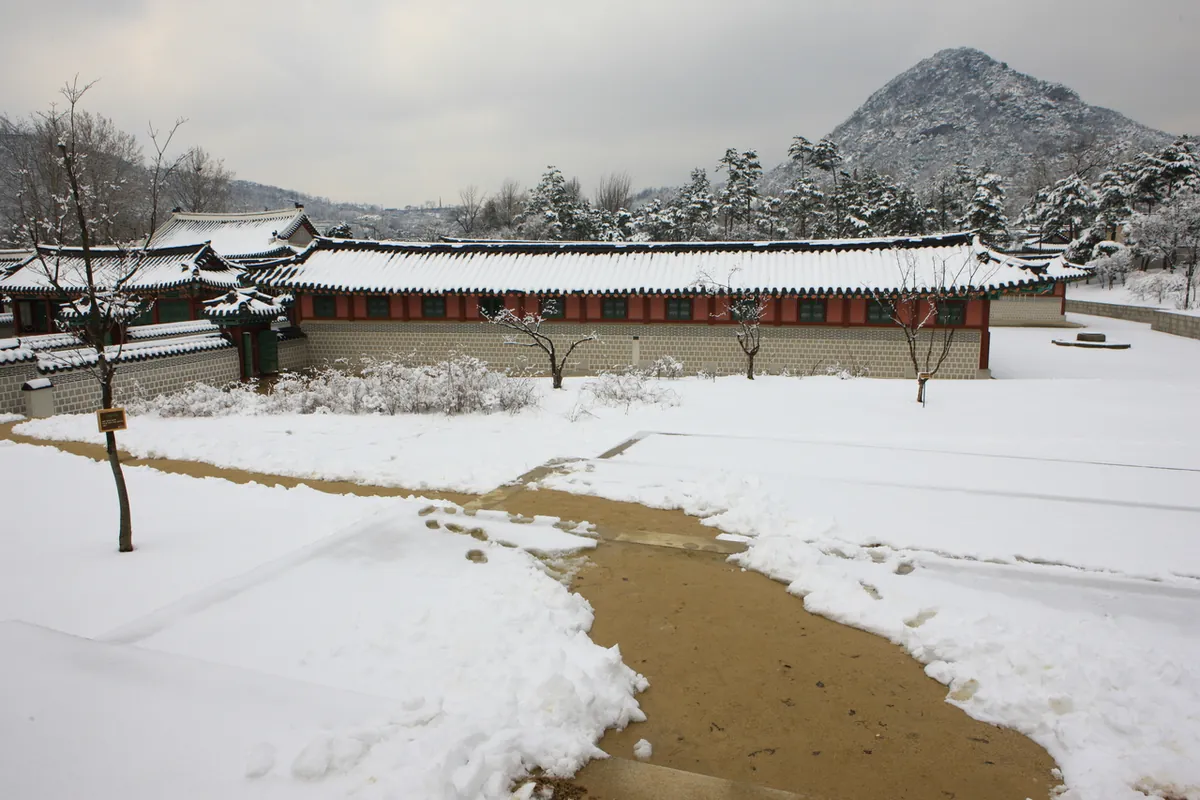
Use daylight for exposed walking and save one compact evening area. Insadong, Ikseondong or Cheonggyecheon can fit depending on the hotel, but choose one. Winter Festa programming may add lights later in the season, yet individual 2026-27 subevent dates were incomplete at verification. Check Seoul City's current festival page rather than importing last winter's market or lantern calendar.
Day 2: Seoul neighborhoods and a flexible view
Build Day 2 around one side of the city. A west-side version can combine a museum, Seochon and a safe section of city wall; an east-side version can combine a museum or design district with Seongsu. The rule is geographic, not prescriptive. Cold wind makes outdoor transfers tiring, while heated indoor spaces make heavy clothing uncomfortable. Alternate one outside block with one inside block and use lockers where available.
Choose a viewpoint only after checking visibility and wind. N Seoul Tower, a wall section or a river walk can be worthwhile, but no winter itinerary should promise a clear skyline. If haze or ice makes the plan poor, use a museum or market instead. Korea Meteorological Administration forecasts and warnings are the official source, while the exact path still needs a live safety check.
Day 3: food, shopping and a Seoul evening
Use the third Seoul day for priorities that survived jet lag and weather. Visit a market outside its closing day, choose one food neighborhood and finish practical shopping before the mountain transfer. Pack only what you will use in Gangwon and ask whether the Seoul hotel can store excess luggage. A smaller bag reduces friction on the final shuttle, where storage may be more restricted than on KTX.
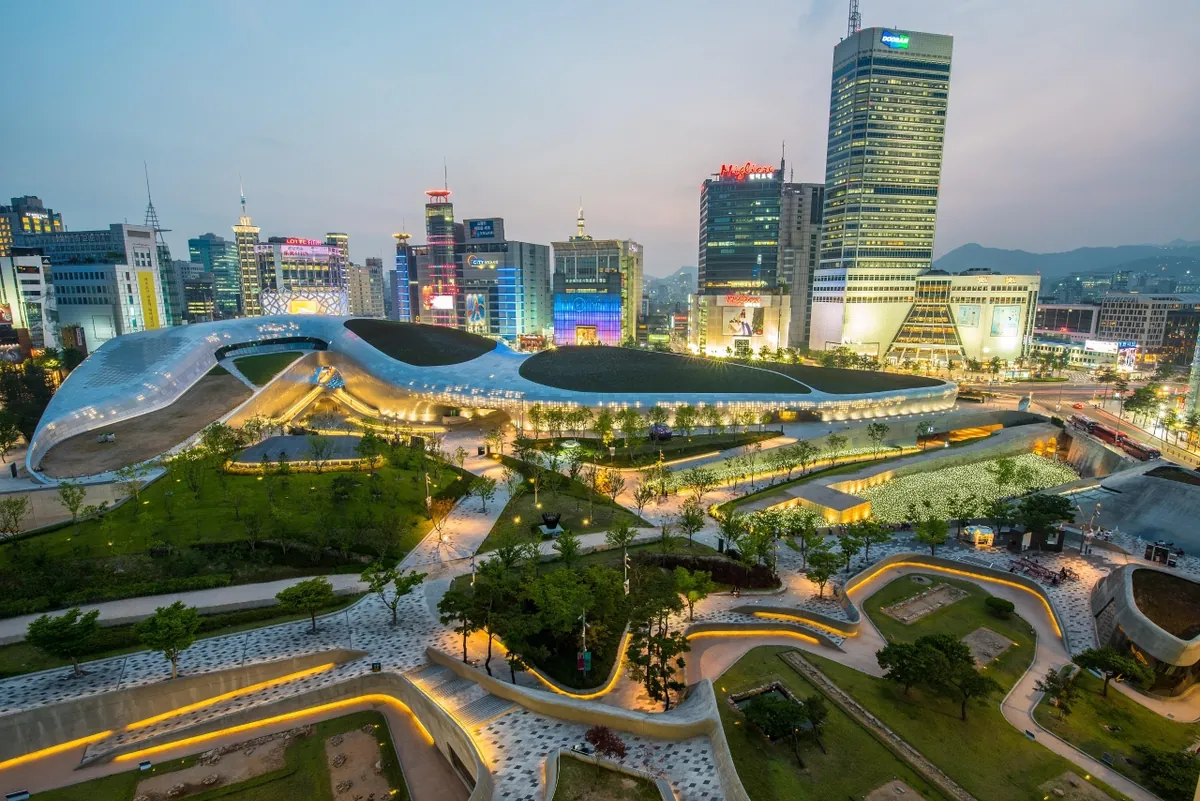
If Seoul Winter Festa programming is active, select one official venue after the daily timetable appears. Gwanghwamun, Cheonggyecheon, Seoul Plaza, Bosingak and DDP have different transport logic; they are not one continuous walk. A light event should be one evening anchor, not a challenge to collect every zone. Eat early, preserve phone battery and set a clear return.
Day 4: transfer to Gangwon
Make arrival day low-risk
Travel from Seoul to the confirmed Gangwon base using the resort or rail operator's current directions. Pyeongchang journeys often combine KTX with a shuttle, taxi or other final connection. Reserve required segments and note luggage rules. Do not promise skiing on arrival day. Check in, fit equipment if that service operates, take a safe resort walk and prepare for morning. Only the live terrain report establishes which lifts and slopes are open.
Our Korea Ski Resorts 2026-2027 guide compares Yongpyong, Phoenix, High1, Vivaldi, Alpensia and Elysian without inventing season dates or prices. Select a non-ski activity that the operator currently confirms—an indoor pool, spa, museum or food stop—so the day remains useful if wind or maintenance affects lifts. Never enter a closed trail for a photograph.
Day 5: ski or choose a non-ski mountain day
A beginner ski version
Meet the lesson provider early enough for boot fitting, helmet adjustment and a safety briefing. Confirm lesson language, lift access and equipment inclusions before payment. Beginners should measure success by control and confidence, not run count. Warm up when fingers or toes become numb and stop before fatigue compromises balance. Use only operating beginner terrain and follow patrol directions. Night skiing is optional only when the current calendar confirms it and the group retains energy.
A non-ski version
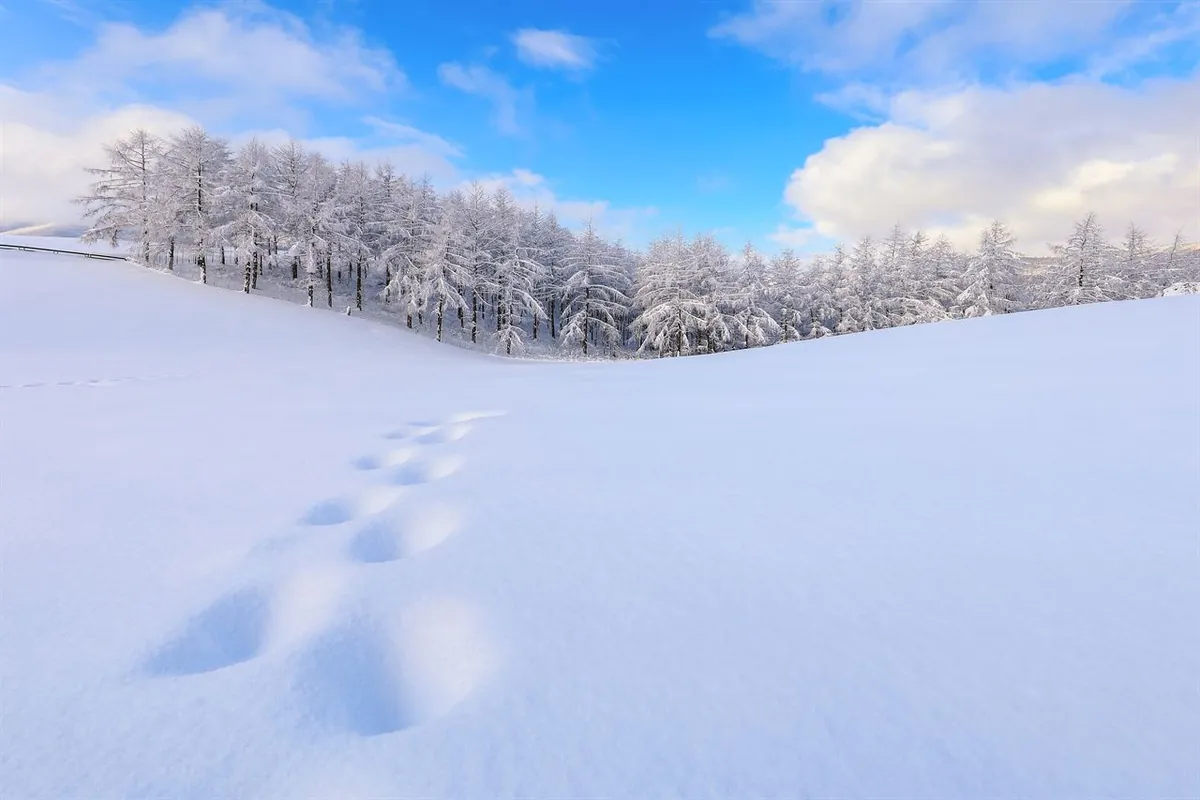
A mountain stay can work without downhill sports. Choose one operating resort facility or a verified Pyeongchang attraction, then enjoy the landscape without assuming deep snow. Farm paths, hiking routes and observation areas may close in ice or wind, so obtain current access guidance. Do not walk onto a ski slope, sledding zone or frozen water body outside signed areas. A warm meal and short safe outdoor session can outperform a county-wide snow chase.
Day 6: travel to Busan and reset the pace
Gangwon to Busan can be the route's longest logistical day because direct options vary by base. Compare a rail path through a major interchange with the current intercity bus, then choose the sequence with the fewest fragile connections. If the journey is too long on your date, replace Busan with Seoul or Gyeongju. Never advertise a direct train without finding it for the exact service day. Store confirmations offline and carry suitable food.
After checking in, take a short walk near the hotel rather than crossing Busan. Nampo suits markets, Seomyeon simplifies connections and Haeundae gives the strongest beach-first evening. Our where to stay in Busan guide compares those bases. Sea wind can make Busan feel colder than the temperature suggests, so keep gloves and a windproof layer accessible even though the city is usually milder than Gangwon.
Day 7: one coherent Busan day
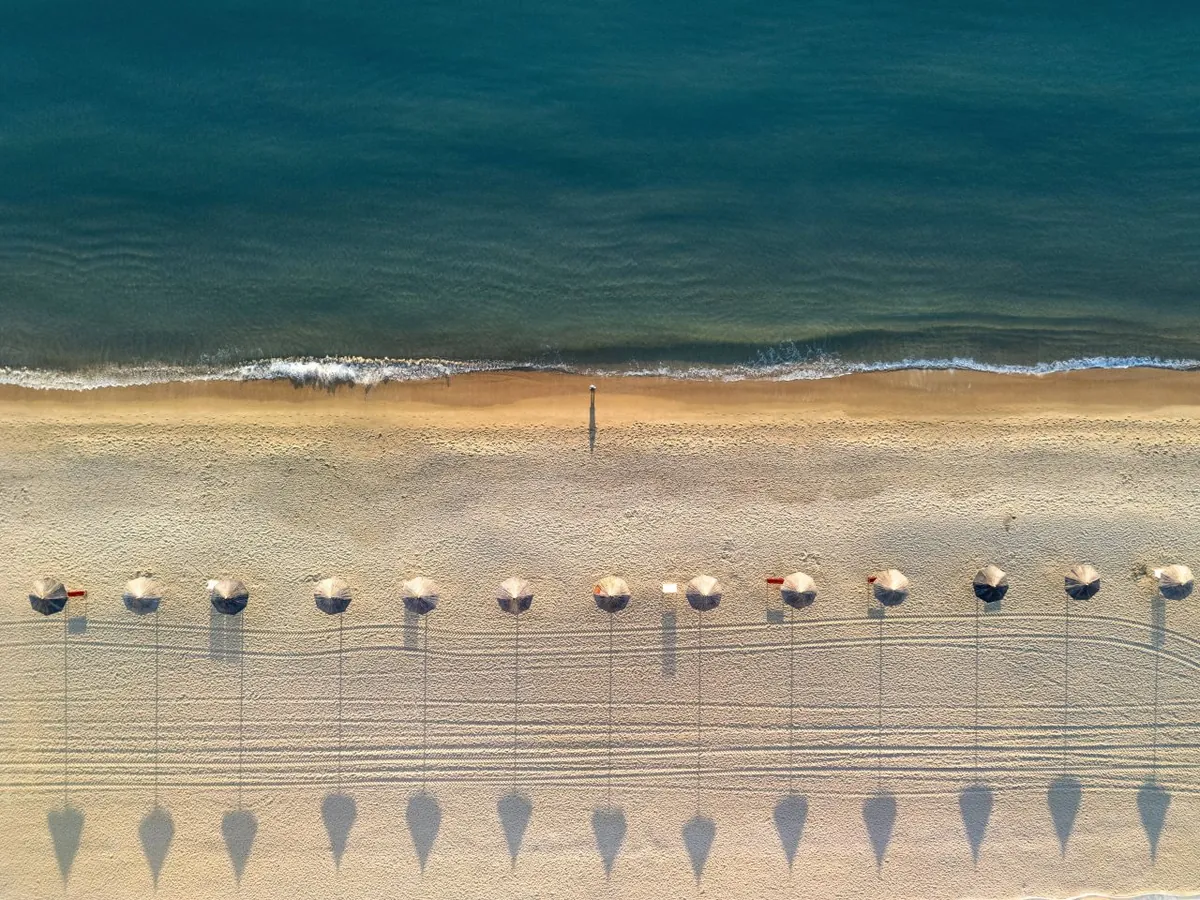
Choose the district cluster closest to your interests. A west-side day combines Gamcheon with Nampo and Jagalchi; an east-side day connects Haeundae, Dongbaekseom and Gwangalli; Yeongdo works for a slower coast route when paths are safe. Our three-day Busan itinerary explains the geography. With one day, select only one cluster. Winter daylight and wind punish an itinerary that crosses the city twice.
Finish with a meal near the hotel or departure route. Market closing days and restaurant hours need current checks. If flying from Gimhae next morning, retain a generous airport transfer. If returning to Seoul by KTX, use our Seoul to Busan train guide in reverse and reserve through the official channel. Do not place a cross-country train and international flight in one narrow connection.
What weather should you expect?
Winter conditions vary by region, elevation and date. Seoul can be dry and cold, Pyeongchang substantially colder, and Busan milder but windy. Snowfall is intermittent, not a continuous seasonal backdrop. A seven-day visitor may see heavy snow, light flurries or none at city level. Use KMA forecasts and warnings, then check each attraction or resort for local closures. A forecast is not permission to enter a trail, frozen lake or restricted road.
Pack layers that can be removed indoors: moisture-managing base, insulation and wind-resistant shell. Bring gloves, warm socks and footwear with grip. Ski clothing can be rented only when the resort confirms stock and sizes. Protect medication from extreme temperatures and keep batteries warm. Our Korea travel essentials guide covers data, payments and emergency preparation.
How much flexibility should you keep?
Keep one movable indoor block in Seoul, one non-ski alternative in Gangwon and one choice between Busan's east and west. Reserve transport and scarce lessons, but avoid prepaying every meal and outdoor hour. If a warning closes a mountain road or lift, follow it without trying to salvage the purchase through unsafe movement. Read winter-sports and weather exclusions before buying insurance.
The strongest winter route is structurally stable but operationally flexible. Its bases remain useful in dry weather, its transfers do not depend on one unverified shuttle, and its day plans can contract without collapsing. That is more trustworthy than a route built around guaranteed snow, exact temperatures months ahead or an old resort opening date.
What should you book first?
Arrival-night Seoul accommodation and the airport transfer plan.
Reserved intercity rail or bus after confirming the exact route.
A Gangwon property with clear cancellation terms and a verified final transfer.
Lessons and rentals only after official 2026-27 operations appear.
A Busan base matched to the single district cluster you will explore.
Insurance that explicitly addresses your activities after reading exclusions.
This seven-day itinerary works because Seoul, Gangwon and Busan offer distinct winter experiences without daily moves. It leaves snow where it belongs—in the live forecast and operating report—while giving every base value in ordinary cold weather. Add nights rather than attractions for a calmer trip.
Last verified: August 30, 2026, by the TipsKorea editorial team against KTO, KORAIL, KMA and Seoul City sources. Recheck weather, resort operations and every reserved transport segment before travel.
Frequently Asked Questions
Is seven days enough for a South Korea winter trip?
Seven full days can cover Seoul, a two-night Gangwon stay and Busan when transfers are reserved and sightseeing remains geographically compact. Add arrival and departure time separately.
Will it snow during my Korea winter itinerary?
Snow is not guaranteed in Seoul, Busan or on a particular mountain date. Use KMA forecasts close to travel and choose bases with worthwhile dry-weather alternatives.
Can non-skiers follow this winter itinerary?
Yes. Replace the lesson day with a currently operating resort facility or verified Pyeongchang attraction, and never enter closed trails or frozen water for a snow experience.
Should I visit Busan or Gyeongju after Gangwon?
Busan offers a milder coastal finish and strong onward transport. Gyeongju can reduce or change the transfer depending on the exact route. Compare current connections and choose one, not both, in seven days.
Last verified: August 2026 · TipsKorea Editorial


