
This route follows one geographic line instead of collecting distant landmarks. Three Seoul days establish the capital, Gyeongju adds Silla history, and Busan supplies two contrasting coastal districts without a domestic flight.
Our South Korea itinerary for 7 days connects Seoul, Gyeongju and Busan in one direction, using rail and three practical bases.
Is seven days enough for Seoul, Gyeongju and Busan?
Yes, when seven days means seven usable days
Seven days is enough for a first view of all three cities when the route moves south once and each day stays within one geographic zone. It is not enough for three exhaustive city breaks. We give Seoul three days because arrival, palaces and modern districts require different energy; Gyeongju receives one compact heritage day and one temple day; Busan receives one western and one eastern zone. The sequence creates a cultural arc from the Joseon capital to Silla heritage and a contemporary port city without flying.
Define the arrival and departure before copying the route
The itinerary assumes you wake in Seoul with most of Day 1 available and can leave Busan after Day 7 or the following morning. If your international flight lands at Incheon in late afternoon, call that arrival night rather than Day 1. If you must return to Incheon on Day 7, reserve a Busan-to-Seoul train and airport connection first, then remove the final coastal half-day. A seven-night trip is not the same as seven sightseeing days, and the distinction prevents the route from becoming a luggage relay.
How should you prepare before Day 1?
Book the route anchors, not every hour
Confirm the flight pattern, one hotel in each city and the two intercity travel dates before reserving small attractions. KORAIL's official English channel is the source of truth for the current train, station, fare and refund terms. Search the current name, Gyeongju Station, and use the live result for your date instead of copying a duration from an older static city guide that still uses the former Singyeongju station name.
Travel with one movable bag
Three bases are manageable when every traveler can move their own bag through station lifts, platforms and local transfers. Pack for laundry rather than seven unique outfits, place medication and one day of essentials in a smaller bag, and never assume a station locker will be free. The Korea Tourism Organization's May 2026 transport guide identifies KORAIL's official tools and Korean map services for live route checks. It also notes that buying or topping up a standard T-money card normally requires cash, so keep a small KRW reserve even if most larger payments go on a card.
Days 1–3: How should you divide Seoul?
Day 1: settle in and learn one central corridor
Start with a low-risk central route after check-in: Cheonggyecheon, an accessible portion of central Seoul and dinner in one nearby district. The purpose is orientation, not a top-ten sprint after a flight. Buy or top up your transport card, verify tomorrow's palace closure and save the route back to the hotel in Korean and English. Travelers landing at Incheon should compare AREX and airport-bus options against their actual hotel, as explained in our Incheon Airport to Seoul guide, then remove evening sightseeing when immigration or luggage takes longer than expected.
Day 2: Gyeongbokgung, Bukchon and Insadong
Begin at Gyeongbokgung when it opens and give the palace enough time to establish Seoul's Joseon geography. VISITKOREA lists a Tuesday closure and seasonal hours, so reverse Days 2 and 3 when necessary. Continue through a limited, respectful Bukchon walk and finish around Insadong or Ikseon-dong rather than crossing the river for one more photo. The Bukchon Red Zone on Bukchon-ro 11-gil allows tourist visits only from 10:00 to 17:00 and carries a KRW 100,000 fine outside those hours. It is a residential rule, not a suggestion for beating crowds.
Day 3: choose modern Seoul or a slower culture day
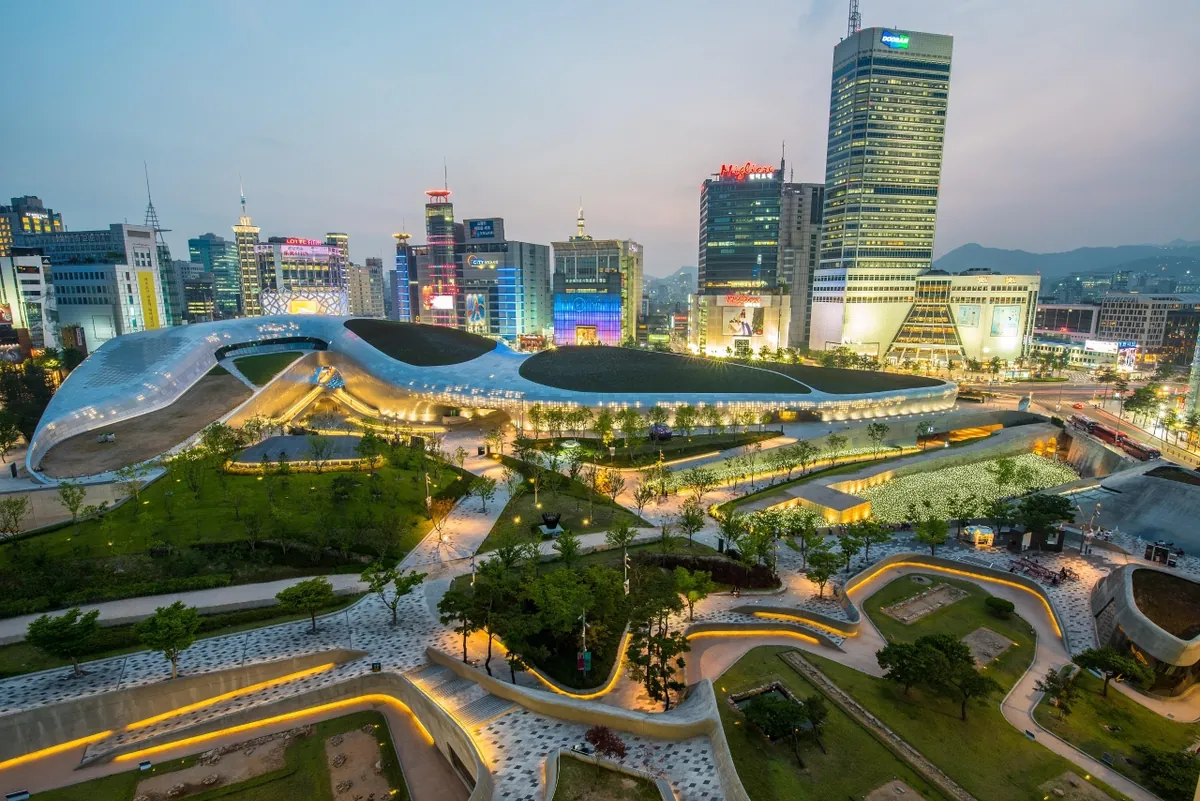
Choose one modern cluster according to interest. A museum-led day can connect the National Museum area with a controlled evening view; a design and shopping day can remain around Dongdaemun and nearby central districts; a riverside day can end at a Hangang park without adding a mountain. Do not place a DMZ tour or Seoraksan into this slot unless it replaces the entire day and you accept less Seoul. Our top Seoul attractions guide provides current operating checks, while the first-time Seoul guide helps match a district to your pace.
Days 4–5: How do you use two days in Gyeongju?
Day 4: morning train, then the downtown Silla landscape
Take a morning KTX from Seoul and expect another transfer from outer Gyeongju Station to the historic center. Store luggage at your accommodation when possible, then keep the afternoon walk compact: Daereungwon, Cheomseongdae, Gyerim and Woljeonggyo form a coherent sequence. Add Donggung and Wolji only when your energy and the seasonal sunset work with its current hours. Gyeongju City's downtown course groups these places for geographic reasons, but this route starts after a train arrival and deliberately leaves the national museum for Day 5 instead of copying every official stop.
Day 5: Bulguksa first, museum and evening second
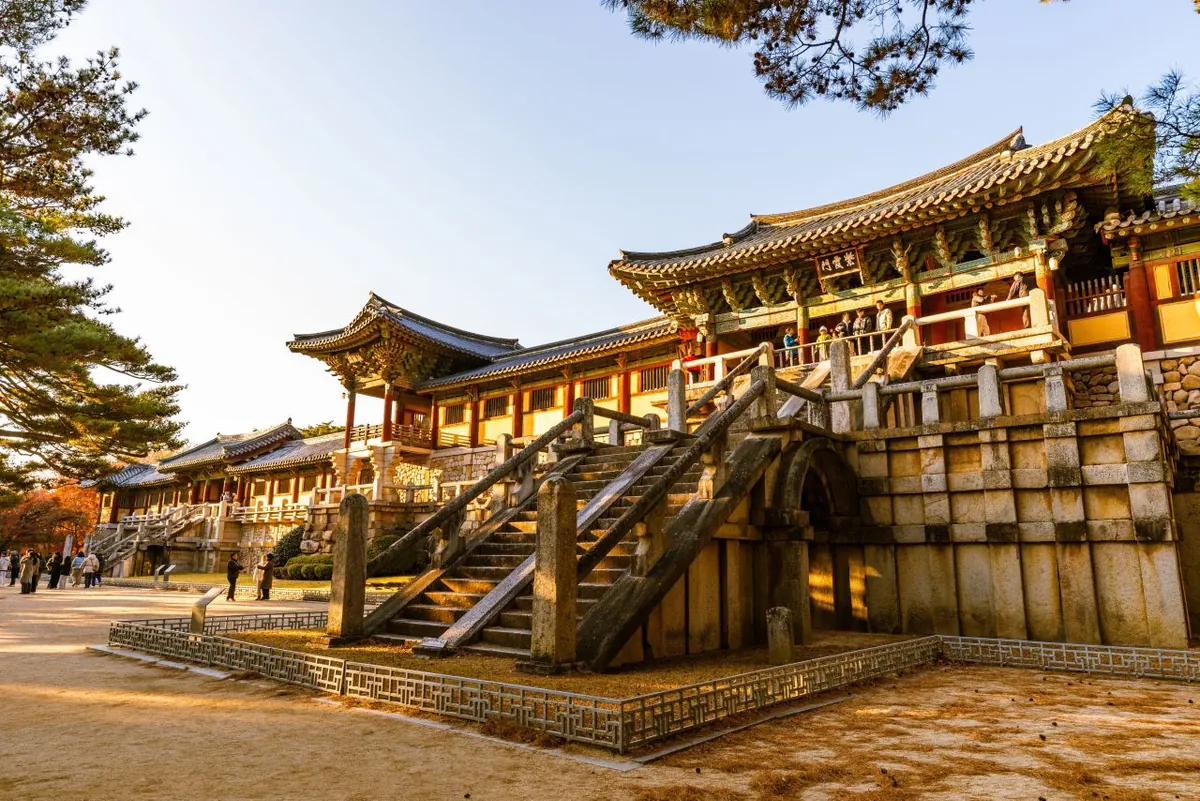
Reach Bulguksa near opening time and treat it as the day's fixed outer-city anchor. Gyeongju City's current visitor information lists free admission, opening from 09:00 to 18:00 and last admission at 17:00; verify the official listing again for your date. Return toward the Gyeongju National Museum for the Silla objects that explain the outdoor sites, then use any remaining light for a shorter heritage walk. Gyeongju City presents Bus 10 as a tourist corridor connecting the terminals, central sites, Bomun and Bulguksa, and explicitly warns that 10-1 does not reach Bulguksa. Confirm the live route because static intervals and stops can change.
Stay downtown, not beside the KTX platform
For this plan, the Hwangnidan-gil, Daereungwon and intercity-terminal area creates the easiest evening and reduces local transfers. The KTX station is useful for arrival, but it is outside the heritage core. A hotel near the central walking route lets you return between the tomb district and night sights and makes meals simpler. Our two-day Gyeongju itinerary adds the detailed route, alternatives for rain and guidance on when Seokguram is worth the extra mountain connection.
Days 6–7: How do you divide Busan?
Day 6: transfer once, then stay in western Busan
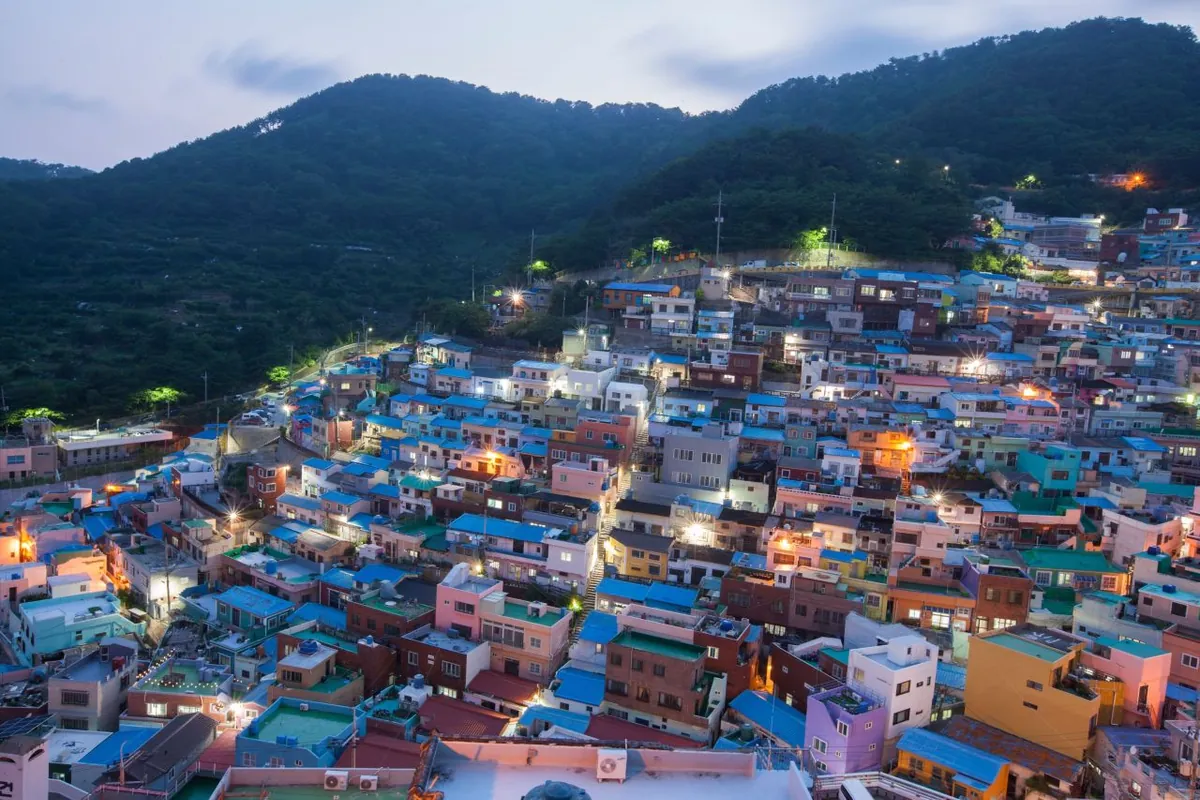
Compare KTX with the intercity bus by the complete hotel-to-hotel journey. A direct high-speed train can shorten the vehicle segment, yet it starts outside central Gyeongju; an intercity bus can begin near your downtown hotel and arrive closer to a different Busan corridor. Check the current KORAIL timetable rather than relying on a fixed duration. After dropping luggage, pair Gamcheon Culture Village with Nampo's markets and harbor area. Visit Busan lists Gamcheon as a residential community with seasonal visitor hours, asks for quiet and cleanliness, and prohibits drones. Do not drag suitcases through its steep lanes.
Day 7: Haeundae coast, then Gwangalli
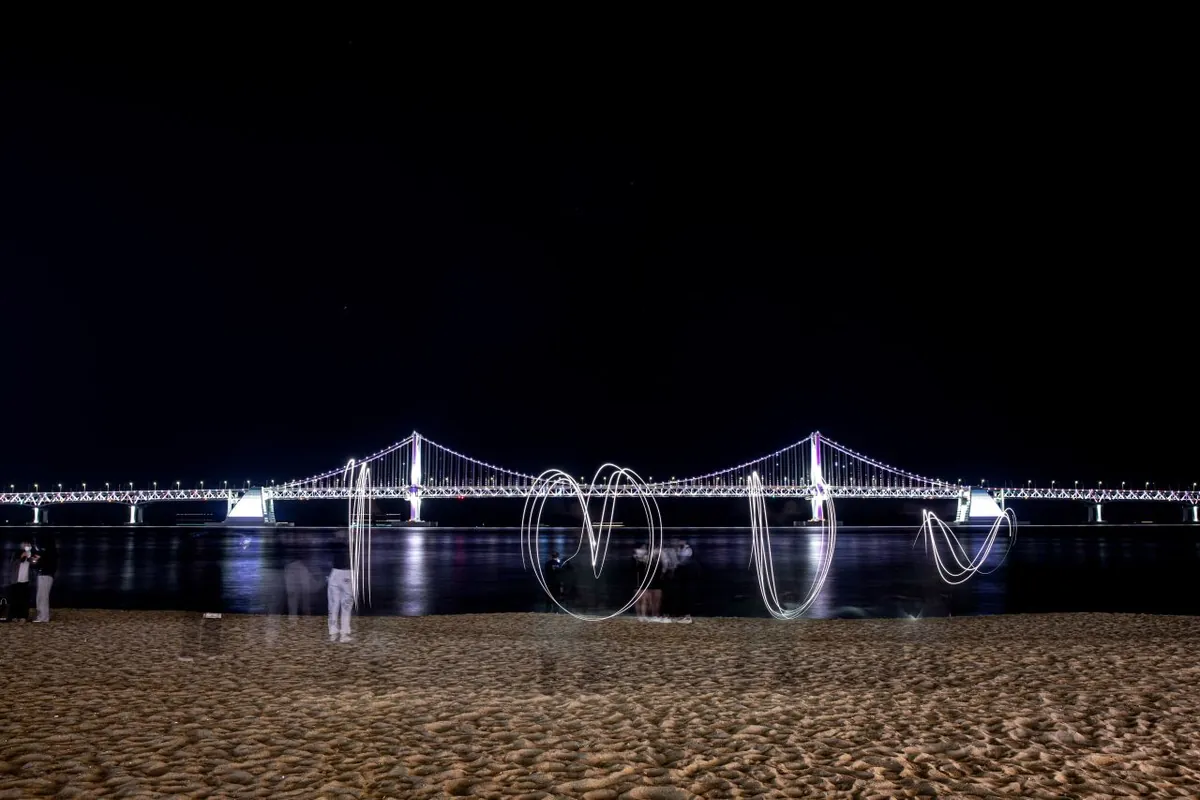
Keep eastern Busan together. Begin with Haeundae and one nearby coastal walk, then finish at Gwangalli if the weather is clear and your departure allows. Visit Busan lists Gwangalli as an always-open, free public beach around a 13-minute walk from Gwangan Station Exit 5; swimming supervision and seasonal water conditions are separate questions. The waterfront is an evening view, not a license to overfill the day with distant temples and villages. Our Busan Sky Capsule guide explains the reservation choice if it replaces part of the coast.
Protect the final departure
If Day 7 ends at Gimhae International Airport, work backward from the check-in requirement and remove Gwangalli or the morning attraction when necessary. If the trip returns to Seoul by KTX, reserve that train before committing to a sunset. An open-jaw departure from Busan preserves the route most cleanly, but flight availability and immigration rules vary by origin. The longer three-day Busan itinerary is better when Busan is more than the final two days.
How should you book trains and local transport?
Match four station names before paying
Confirm Seoul Station, Gyeongju Station, Busan Station and the exact local station nearest each hotel. Old guides may still call the KTX stop Singyeongju, but Gyeongju Station is the current name. A rail pass is not automatically cheaper for two intercity journeys; compare the eligible trains and live point-to-point fares for your dates. Keep the official booking record accessible offline and allow time to find the platform. Do not schedule a palace admission or tour against the theoretical arrival minute.
Use one transport card, but understand its limits
A standard nationwide transport card is useful on many city buses and subways in Seoul and Busan and on Gyeongju buses, but it is not your KTX reservation. Keep enough stored value for local trips, tap correctly and retain a little cash for purchase or top-up limitations described in the current KTO guide. Our Korea transport cards and passes comparison separates T-money, WOWPASS and city-specific products so a seven-day visitor does not buy three overlapping systems.
Where should you stay in each city?
Choose connection quality over a famous street
In Seoul, choose a base that connects the airport arrival, the palace day and Seoul Station without multiple awkward transfers; Myeongdong, Jongno and the Seoul Station area solve different versions of that problem. In Gyeongju, stay near the downtown heritage and terminal zone rather than the outer KTX station. In Busan, Seomyeon balances the western and eastern days, while Nampo favors Day 6 and Haeundae favors Day 7. Moving between two Busan hotels for a two-day stay usually costs more time than it saves. Compare Seoul bases in our where to stay in Seoul guide.
How much should you budget for one week?
Separate booked costs from daily decisions
A defensible total depends on the season, room type, train inventory, meal choices and flight pattern, so we do not attach one universal price to this route. Price the three hotels and two intercity journeys first because they create the largest fixed commitments. Then add a daily envelope for local transport, meals and admissions. Many outdoor heritage spaces are free, while selected interiors, museums, activities and reserved attractions may charge. Check each official page instead of copying a package estimate that hides accommodation or excludes taxes.
Spend where it removes a structural problem
A well-located hotel, one taxi that protects a connection or a reserved train at a useful hour can improve the week more than another ticketed attraction. Conversely, a cheap room far outside the day zones can create six extra local journeys. Keep a contingency amount for a missed bus, luggage storage, rain gear or a changed departure. Our Korea travel essentials guide covers entry, payments, connectivity and practical preparation without turning them into sightseeing stops.
How should different travelers adjust the route?
History-focused travelers
Keep Gyeongbokgung, both Gyeongju days and the national museum, then shorten the modern Seoul day or Busan beach time. Add Seokguram only by removing another Day 5 stop and confirming transport. A second Gyeongju night is already built into the route, so there is no need to compress Bulguksa, the museum and the night landscape into the train-arrival afternoon. Depth comes from preserving interpretation time, not adding another UNESCO name to the checklist.
Families and lower-energy travelers
Reduce each day to one morning anchor and one afternoon district. Skip the steep interior of Gamcheon if stairs or heat make it unsuitable, use taxis selectively in Gyeongju, and place an indoor museum during the hottest or wettest block. Confirm lifts and accessible entrances directly because station and heritage paths are not uniform. A stroller, wheelchair or large suitcase changes transfer time more than the KTX's maximum speed, so increase every platform and hotel buffer.
Food-first travelers
Keep the same geographic structure and replace secondary attractions with meals rather than crossing a city for a viral queue. Use one market or dining neighborhood per day, arrive outside the main rush and have a nearby alternative. The route already gives Seoul central districts, Gyeongju's downtown zone and Busan's Nampo and beach areas distinct food contexts. A reservation should fit the day's district; the day should not be rebuilt around a restaurant that requires two hours of extra transit.
What should you cut when the schedule slips?
Remove distance before removing the city's anchor
On Day 2, remove an evening district before Gyeongbokgung. On Day 4, shorten the downtown loop before abandoning the train or dragging luggage between sites. On Day 5, remove Seokguram or Bomun before the Bulguksa-and-museum core. On Day 6, keep Gamcheon with Nampo but drop a distant beach. On Day 7, choose Haeundae or Gwangalli when a flight or Seoul return makes both unsafe. These cuts preserve the story and prevent one delay from contaminating the next city.
Final seven-day checklist
Confirm that Day 1 and Day 7 are genuinely usable; add nights or remove one city zone when flights consume them.
Reserve one hotel in each city and live KORAIL tickets for Seoul–Gyeongju and the onward route toward Busan.
Check Gyeongbokgung's Tuesday closure, Bukchon Red Zone hours and the current Gyeongju and Busan operating notices.
Save hotel, station and attraction names in Korean and carry a charged phone, offline tickets and some KRW cash.
Decide the first cut for every day so rain, fatigue or a delayed transfer does not turn the week into a race.
Last verified: August 30, 2026. We checked transport and destination facts against KORAIL, KTO, Seoul City, Gyeongju City, Bulguksa, the national museum, Busan City and Visit Busan; confirm live details for your dates.
Frequently Asked Questions
Does this seven-day route include international flight time?
No. It assumes seven usable sightseeing days. Add calendar time when a long-haul arrival or departure consumes Day 1 or Day 7.
Should I add Jeju to a seven-day South Korea itinerary?
Not to this route. A Jeju flight, airport transfer and separate island plan would replace meaningful time in Seoul, Gyeongju or Busan rather than fit between them.
How many nights should I spend in each city?
Book three nights in Seoul, two in Gyeongju and at least one in Busan. Add a second Busan night when your departure falls after Day 7 rather than late on the final day.
Can I travel from Seoul to Gyeongju to Busan by train?
Yes. KTX connects Seoul with Gyeongju Station and Gyeongju with Busan, but Gyeongju Station is outside the historic center. Compare the full hotel-to-hotel trip with the intercity bus for the second leg.
Last verified: August 2026 · TipsKorea Editorial


