
A successful Gyeongju day trip is shaped by terminal geography, not just the fastest vehicle. This route compares the complete journey, begins at Bulguksa and protects a walkable afternoon among Silla sites.
This Gyeongju day trip from Busan links Bulguksa, royal tombs and an evening palace landscape without a car.
Is a Gyeongju day trip from Busan realistic?
What comfortably fits into one day
Yes, when the day has one temple zone and one downtown zone. Bulguksa gives the morning a clear UNESCO focus; Daereungwon, Cheomseongdae, Gyerim and Woljeonggyo then form a connected afternoon walk. The national museum adds context if you reach it before closing, while Donggung and Wolji supplies the evening finish. This is already a full day. It works because the central sites are close to one another, not because every attraction in the municipality can be compressed into a checklist.
When an overnight is the better decision
Stay overnight if Seokguram is essential, you want a slow museum visit, or night photography matters more than catching a fixed return. An overnight also absorbs poor weather and a missed bus without sacrificing the main sights. Our two-day Gyeongju itinerary separates the historic center from the Tohamsan temple area and is better for travelers who care deeply about Silla history. A day trip suits a Busan-led holiday; it should not pretend to replace a complete Gyeongju visit.
Should you take the train, intercity bus or a tour?
KTX: the shortest vehicle time, with an outer-city arrival
Gyeongju City lists the direct KTX vehicle time from Busan at about 30 minutes. The crucial detail is that Gyeongju Station is outside the downtown heritage core. The name changed from Singyeongju Station in late December 2023, so old guides and saved map results can still create confusion. Compare a live train on KORAIL, then add the trip from your Busan accommodation to Busan Station and the local bus or taxi after arrival. KTX is usually strongest for travelers already near Busan Station or continuing on Korea's high-speed rail corridor.
Intercity bus: compare Nopo and Sasang
The published Busan-to-Gyeongju vehicle time is about 50 minutes, but the service is classified as intercity bus rather than a Central Express Bus route. Busan City's current terminal guide lists Gyeongju from both Dongbu Inter-City Bus Terminal at Nopo and Seobu Inter-City Bus Terminal at Sasang. Search both terminals on an official intercity reservation channel for your exact date because the useful departure depends on the live timetable and your hotel. In Gyeongju, the terminal area is close to Hwangnidan-gil and the downtown route. Do not choose by vehicle time alone; compare the urban trip to Nopo or Sasang and the final return service as well.
Guided tour: useful when transfers matter more than independence
A guided tour can be sensible when its pickup is convenient, it includes Bulguksa and the downtown heritage zone, and the return time fits your plans. It becomes more attractive for a group that would otherwise use several taxis or for a traveler who wants Seokguram without studying the mountain connection. Read the actual stop duration, language, meal policy and final drop-off rather than counting attraction names. DIY is better when you want the museum, long photography stops or a flexible dinner. A tour is a transport-and-interpretation choice, not automatically an upgrade.
How do you travel around Gyeongju without a car?
Treat the station and bus terminal as different starting points
A rail arrival needs an onward transfer from Gyeongju Station; a bus arrival begins much nearer the central sights. Save both Korean destination names and your return point because 'Gyeongju Station' no longer means the former downtown railway station found in older material. KORAIL's current station guide confirms lockers at the high-speed station, but do not rely on one being available. If carrying luggage, leave enough time to store and retrieve it. Travelers based in Busan should normally leave large bags at their hotel and carry only what the day requires.
Use Bus No. 10 as a corridor, then confirm it live
Gyeongju City describes Bus No. 10 as a useful link between the terminal area, central heritage stops, Bomun and Bulguksa. The city publishes roughly 40 to 50 minutes from the terminals to Bulguksa and an approximately 20-minute interval, but traffic and operating changes make live confirmation essential. From Gyeongju Station, compare the current 700 and 711 departures in the live system after the July 15, 2026 station-area revision; Bus 711 is the city's documented direct link toward Bulguksa. If neither aligns with an opening-time visit, use a taxi and aim to reach the temple area around 08:50 rather than relying on an unverified static timetable. Do not board 10-1 expecting the same Bulguksa route. The current adult city-bus fare is KRW 1,500 in cash or KRW 1,450 by transport card; children and teenagers ride free with an eligible card under the policy effective April 1, 2026.
Use one strategic taxi rather than building a taxi tour
A taxi can protect the morning if the next bus would cost a large part of your temple time. It can also protect a reserved evening departure from downtown to Gyeongju Station. Do not quote a fixed taxi price before seeing the live route, traffic and pickup point. Show the Korean place name, confirm the destination before moving and keep a buffer. The rest of the central route is best experienced on foot. Our Korea transport-card guide explains the card setup before this regional trip.
What is the most efficient one-day route?
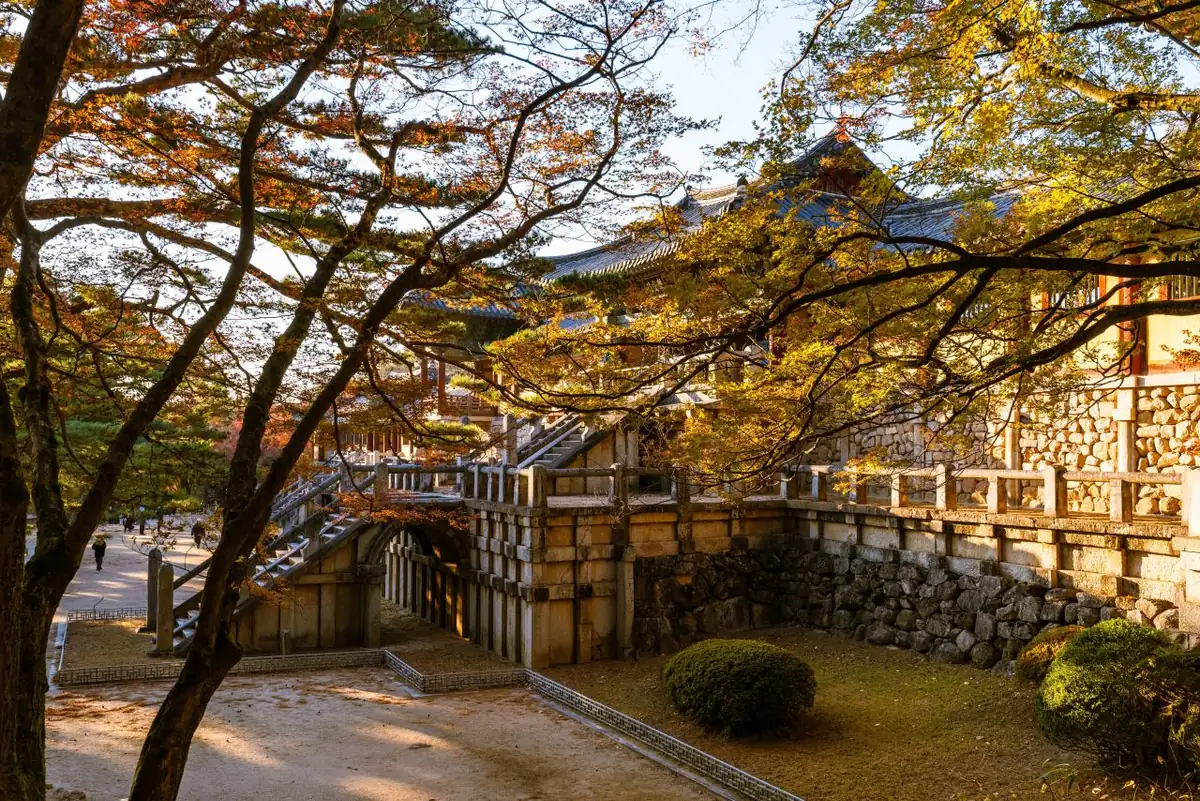
09:00-10:30: begin at Bulguksa
Start at Bulguksa when its gate opens rather than using the coolest, least crowded part of the day on a cafe. The temple and Seokguram form one UNESCO World Heritage property, and Bulguksa's terraces, bridges, courtyards and stone pagodas deserve focused attention. Admission is free. Official entry cutoffs are 18:00 from March through September, 17:30 in February and October, and 17:00 from November through January, but an early visit protects the rest of the route. Dress respectfully, keep voices low and remember that this remains an active religious place.
11:30-13:30: lunch, Daereungwon and Cheonmachong
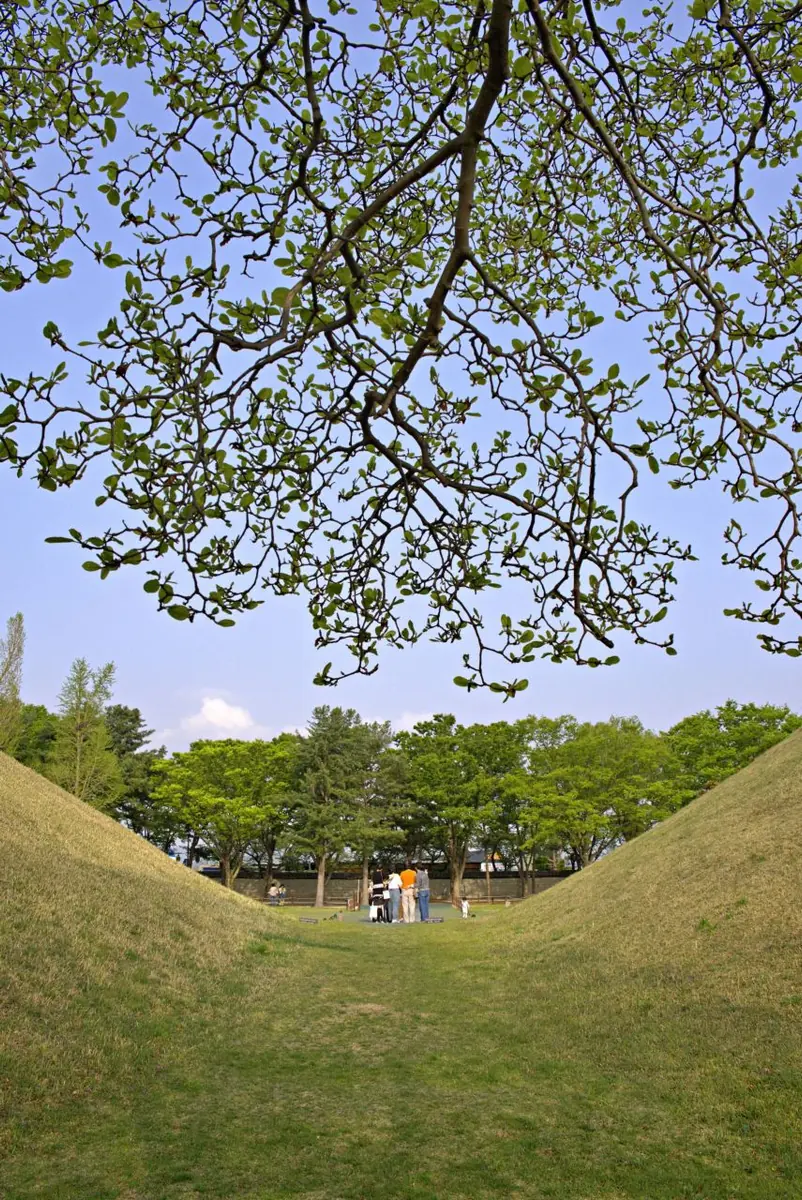
Move into the center once, then use Hwangnidan-gil as a meal zone rather than a queue-based attraction. Daereungwon's outdoor grounds are free and place the scale of Silla royal burial architecture directly into the cityscape. Cheonmachong, the tomb prepared for interior viewing, costs KRW 3,000 for a standard adult ticket. Enter it if the presentation adds value to you; otherwise, preserve time for the museum. Never climb or lean on a burial mound for a photograph. The grass-covered forms are protected graves, not landscaped hills.
13:30-15:15: walk Cheomseongdae, Gyerim and Woljeonggyo
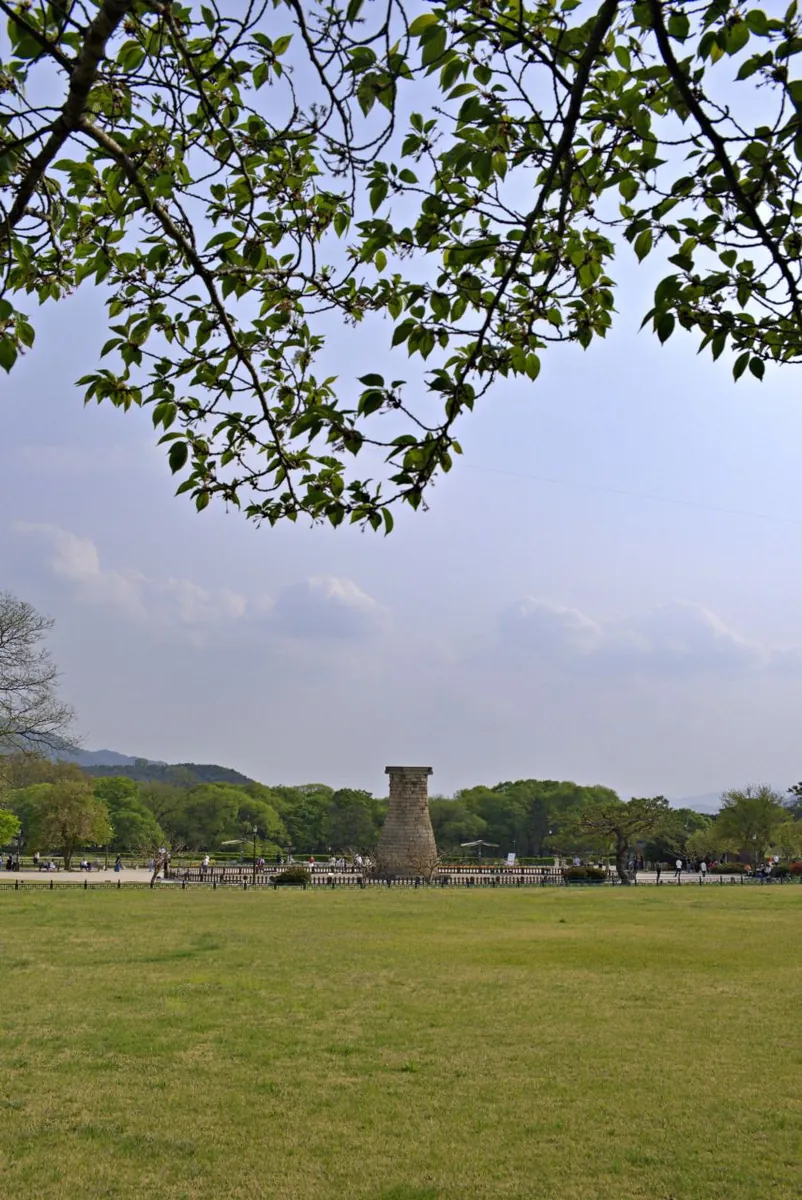
Continue through the connected Gyeongju Historic Areas landscape. Cheomseongdae is free, and its setting makes more sense when approached on foot from the tomb district. Gyerim provides a shaded woodland link toward the former palace landscape, while Woljeonggyo gives the route a strong architectural marker beside the stream. The bridge is free and officially open from 09:00 to 22:00. Keep to marked paths, carry water in hot weather and shorten the loop when heat or rain would reduce the rest of the day to endurance.
15:15-16:45: choose the national museum over another photo queue
Gyeongju National Museum explains the goldwork, Buddhist art and Wolji discoveries that outdoor ruins cannot show by themselves. Standard exhibition admission is free. The museum currently opens from 10:00 to 18:00 on weekdays and to 19:00 on Saturdays, Sundays and holidays, with specified extended evenings and closures listed on its official page. Check gallery notices before visiting because an individual room can close while the museum remains open. If you are already late, enjoy one gallery properly instead of racing through every building.
Dusk: finish at Donggung and Wolji when your return allows
Donggung and Wolji is open from 09:00 to 22:00, with last admission at 21:30, and the standard adult ticket is KRW 3,000. Its reconstructed pavilions and pond are especially effective as daylight changes, but the practical viewing time shifts through the year. Summer darkness may arrive too late for an early return to Busan; winter makes the illuminated scene possible much sooner. Work backward from your booked train or bus, include the transfer to the correct terminal, and leave before the experience becomes a sprint.
What will the day cost?
Separate verified fixed costs from changing travel prices
Bulguksa, Daereungwon's outdoor grounds, Cheomseongdae, Woljeonggyo and the national museum are free under the current official listings. Adding Cheonmachong and Donggung and Wolji brings standard adult admission to KRW 6,000. An adult Gyeongju city bus ride is KRW 1,450 by transport card or KRW 1,500 in cash. Intercity rail and bus prices, taxi totals, meals and tour prices depend on the selected service, date and route, so check them live rather than copying a total from an undated budget.
Where spending extra can improve the route
The most useful optional expense is often one taxi that removes a long wait or protects the return, not an elaborate lunch or a chain of short rides. Buy water before the exposed downtown walk and choose a meal with a reliable seat rather than following the longest social-media queue. If a guided tour replaces rail, local transport and interpretation, compare the complete package with the DIY total. Our Korea travel essentials guide covers connectivity and planning details needed to check live routes during the day.
How should autumn or bad weather change the plan?
Use autumn color as a layer, not a guaranteed date
Bulguksa, Gyerim and the central heritage landscape can all carry autumn color, but they do not peak at the same time. Gyeongju City recommends several fall locations, while year-specific leaf timing still depends on temperature, rain and wind. No official nationwide 2026 peak map was available when our broader guide was last checked, so do not build a nonrefundable day around an invented date. Use our Korea autumn foliage guide, recent local conditions and the weather forecast shortly before departure.
Have a heat, rain and low-energy version
In high heat, keep Bulguksa early, shorten the exposed Cheomseongdae loop and give the museum the hottest afternoon block. In steady rain, stone and wooden surfaces can be slippery; prioritize the temple, museum and a shorter central walk. A low-energy version keeps Bulguksa, Daereungwon, one museum gallery and Donggung, using a taxi between distant zones. Bomun Lake, Gyeongju World and distant autumn forests may be worthwhile on another visit, but adding them here removes the geographic logic that makes a car-free day reliable.
What should you leave out of a first day trip?
Seokguram is meaningful but not automatically efficient
Seokguram belongs with Bulguksa historically, yet its mountain setting requires another connection and time margin. Add it only after confirming the live transport, weather and return plan. A guided tour or deliberate taxi arrangement can make the combination easier, but the grotto should replace something rather than silently expanding the day. For most first-time DIY visitors, Bulguksa plus the downtown museum tells a clearer story than a rushed grotto visit followed by missed galleries and an anxious return.
Do not add Bomun, Yangdong or the coast as spare-time stops
Bomun is a resort district, Yangdong Village represents a separate historic landscape, and Gyeongju's coast needs its own transport plan. None is a sensible last-minute addition to this route. If a family prioritizes a resort or amusement park, build the whole day around Bomun instead of treating it as a detour. If Yangdong, Namsan or the coast is essential, use another day. The purpose of this itinerary is not to maximize pins; it is to preserve enough time to understand the places you actually reach.
How do you protect the return to Busan?
Reserve first and work backward
Choose a realistic return before leaving Busan, then calculate the latest time to exit Donggung or the dinner area. A KTX passenger must reach outer Gyeongju Station, while an express-bus passenger returns to the central terminal area. Allow for traffic, finding the correct platform and retrieving any stored item. Do not assume the last service shown in an old article still operates. Official booking results for your exact date are the source of truth, especially on weekends and major holiday periods.
Keep the next Busan morning light
This day includes an early intercity transfer and substantial walking, so avoid stacking it before another dawn departure. Place it inside a longer Busan stay rather than on the day you change hotels or fly. The neighborhood grouping in our three-day Busan itinerary helps prevent unnecessary cross-city travel on the surrounding days. If the weather deteriorates or the return sells out, shortening the Gyeongju evening is a better decision than risking a missed connection.
What should you check before departure?
Confirm the exact Busan departure station or terminal and the current Gyeongju return service on an official booking channel.
Save Gyeongju Station, the bus terminal, Bulguksa and your final return point in Korean as well as English.
Check live local bus information, museum gallery notices, Bulguksa entry cutoff and Donggung last admission.
Carry a charged phone, data connection, transport card, water and weather protection suitable for a long outdoor walk.
Decide in advance which stop to remove if the morning transport is late; do not recover time by running through a heritage site.
Last verified: August 28, 2026. We checked transport, admission and operating information against KORAIL, Busan City, Gyeongju City, Bulguksa, the Gyeongju National Museum and UNESCO; confirm live notices for your travel date.
Frequently Asked Questions
Is Gyeongju worth a day trip from Busan?
Yes. A focused day can combine Bulguksa with the walkable downtown Silla heritage zone. Stay overnight if Seokguram, a slow museum visit and night photography are all priorities.
Is the train or bus better from Busan to Gyeongju?
KTX has a short vehicle time but arrives outside central Gyeongju. Intercity buses can leave from Nopo or Sasang and arrive near the downtown route. Compare both terminals for your date and hotel.
Can I visit Gyeongju from Busan without a car?
Yes. Use rail or intercity bus to reach Gyeongju, a current local bus or selective taxi for Bulguksa, and walk the central Daereungwon-to-Woljeonggyo heritage route.
Can I see Donggung and Wolji at night and return to Busan?
Often, but only when a reserved return leaves enough time for the transfer. Summer darkness comes later than winter, so check sunset and work backward from the live train or bus.
Last verified: August 2026 · TipsKorea Editorial


